雙林寺, Buddhist temple in Shibukawa, Japan
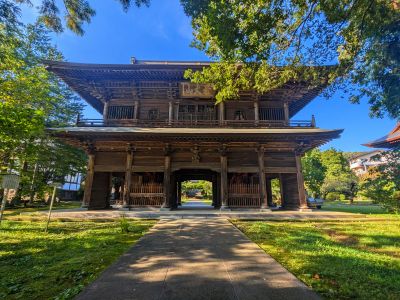
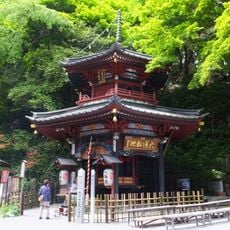
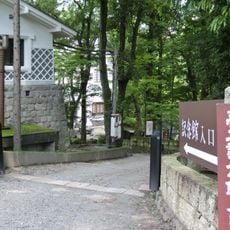
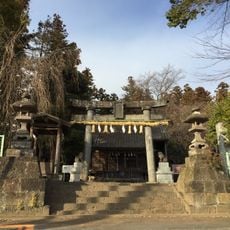
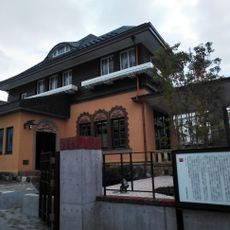
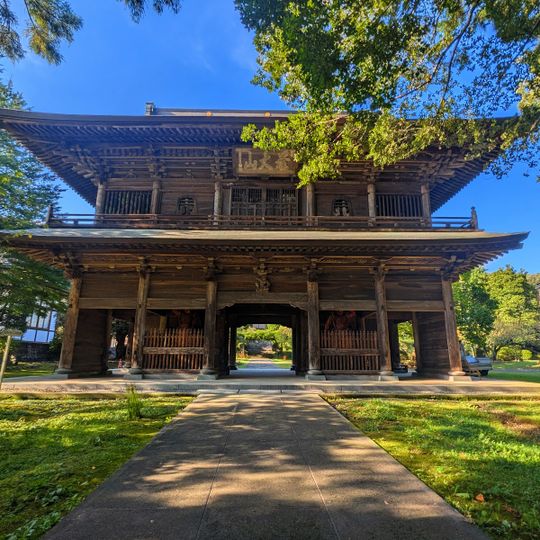
Sōrinji is a Buddhist temple located on a hillside in Shibukawa, featuring traditional Japanese architecture and Buddhist statues throughout the grounds. The buildings display classic carpentry techniques and are arranged to create distinct functional spaces.
Founded in 1447 (or possibly 1450) by Nagao Kagenaka, steward of Uesugi Norizane, with Getsukō Shōbun as founding abbot. In the 15th and 16th centuries its Zen debates drew monks from across Japan, and it was said that whoever had not drunk the water of Sōrinji was no Zen monk. By 1747 it held 769 branch temples and oversaw Sōtō Zen temples in four provinces.
The temple's name appears in a Sengoku-era saying: "Whoever has not drunk the water of Sōrinji is no Zen monk." In the 15th and 16th centuries its debates (hōmon) drew practitioners from across Japan, and it housed 2,000 unsui. The Kannon hall's wooden Kannon statue is a Shibukawa city-designated cultural property.
Sōrinji stands at Nakagō 2399 in Shibukawa, on the site of the former Komochi village, roughly 3 km north of Shibukawa Station; the grounds are reached by road, and the hillside layout means several short flights of steps between the gate, main hall and bell tower. The seven buildings designated as Important Cultural Properties in 2024 are best seen on foot in sequence from the mountain gate.
In the 15th and 16th centuries the temple's Zen debate sessions drew monks from across Japan, and it was said that anyone who had not drunk the water of Sōrinji was no Zen monk; it housed 2,000 practitioners at its height.
The community of curious travelers
AroundUs brings together thousands of curated places, local tips, and hidden gems, enriched daily by 95,308 contributors worldwide.