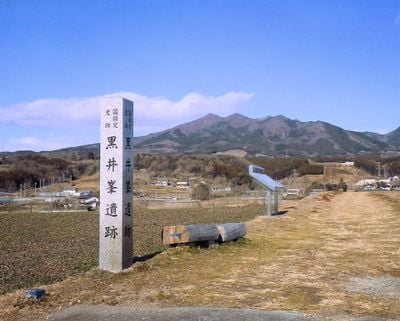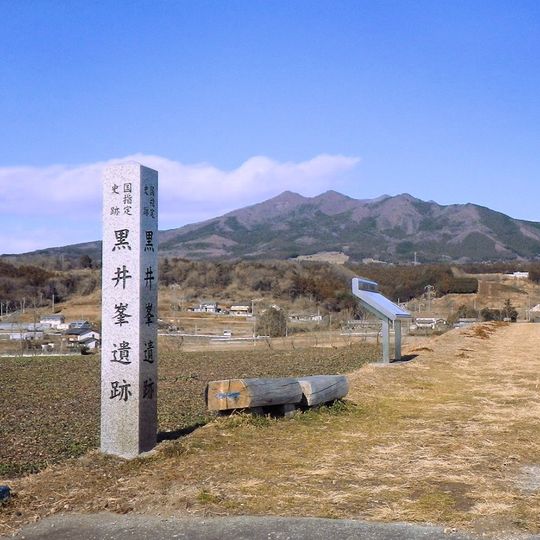
Kuroimine Site, Archaeological site near Shibukawa, Japan.
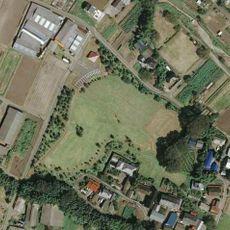
Kuroimine Site is a village settlement from the late Kofun period positioned on a terrace next to the Agatsuma River in Gunma Prefecture. The site contains the remains of pit dwellings, farming areas, and spaces used for religious practices.
The settlement was buried under two meters of pumice during a major eruption of Mount Haruna volcano in the middle of the 6th century. This volcanic disaster suddenly ended occupation of the site.
The excavations uncovered more than a hundred pit dwellings and ritual spaces that show how ancient people farmed and organized their communities. These findings reveal details about daily life and social practices during the Kofun period in Japan.
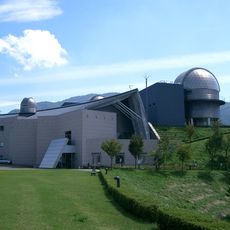
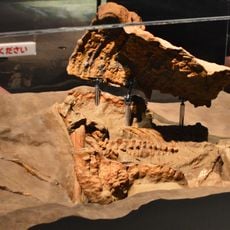
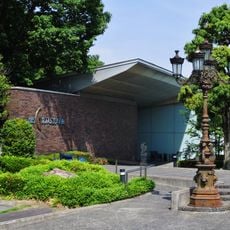
The site is documented with detailed exhibits at the Akagi History Museum in Shibukawa, reachable in roughly 30 minutes by car from JR Shibukawa Station. The museum displays artifacts and information from the excavations.
The volcanic ash preserved the original structures of the houses, including wooden posts and thatched roofs, creating a time capsule of ancient architecture. This exceptional preservation allows visitors to see building techniques and dwelling methods from over 1,400 years ago.
The community of curious travelers
AroundUs brings together thousands of curated places, local tips, and hidden gems, enriched daily by 60,000 contributors worldwide.