Fujisan, sacred place and source of artistic inspiration, Sacred mountain in Shizuoka and Yamanashi, Japan
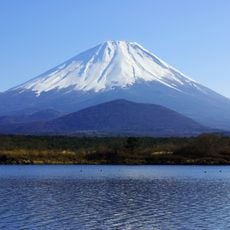
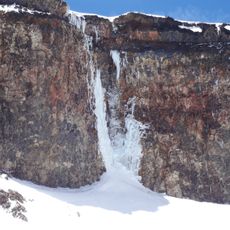
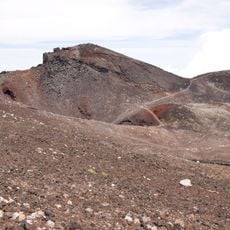
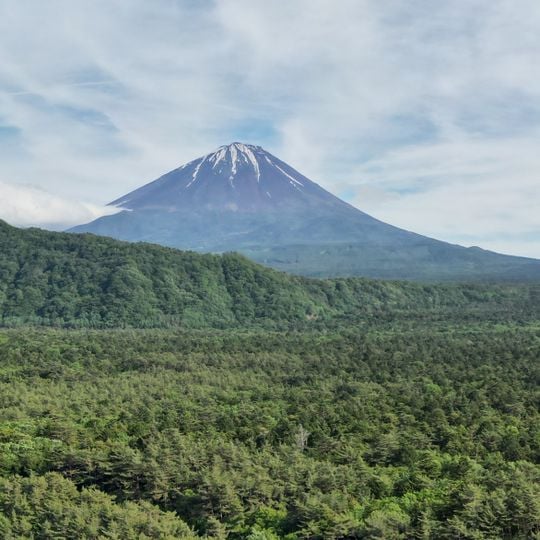
Mount Fuji is a cone-shaped peak with symmetrical slopes and a distinctive snow-capped crown that rises across two prefectures and remains visible from great distances. The surrounding area includes five large lakes at the mountain's base, sacred shrines, and forest zones that together form a World Heritage site.
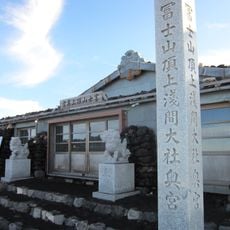
The mountain held sacred status in pre-modern times and became a pilgrimage destination starting in the 11th century as people sought spiritual connection. Climbing traditions grew over the centuries and shaped the spiritual and cultural importance the peak maintains today.
The mountain has inspired Japanese artists for centuries through paintings, prints, and decorative arts that show it from different angles and seasons. This artistic tradition reflects how deeply the peak is woven into Japanese identity and aesthetic values across generations.
The site can be accessed by bus or train from Tokyo, with the journey taking several hours and routes connecting to different starting points around the base. Visitors should prepare for changing weather conditions and bring appropriate gear based on the season, as conditions at higher elevations shift quickly.
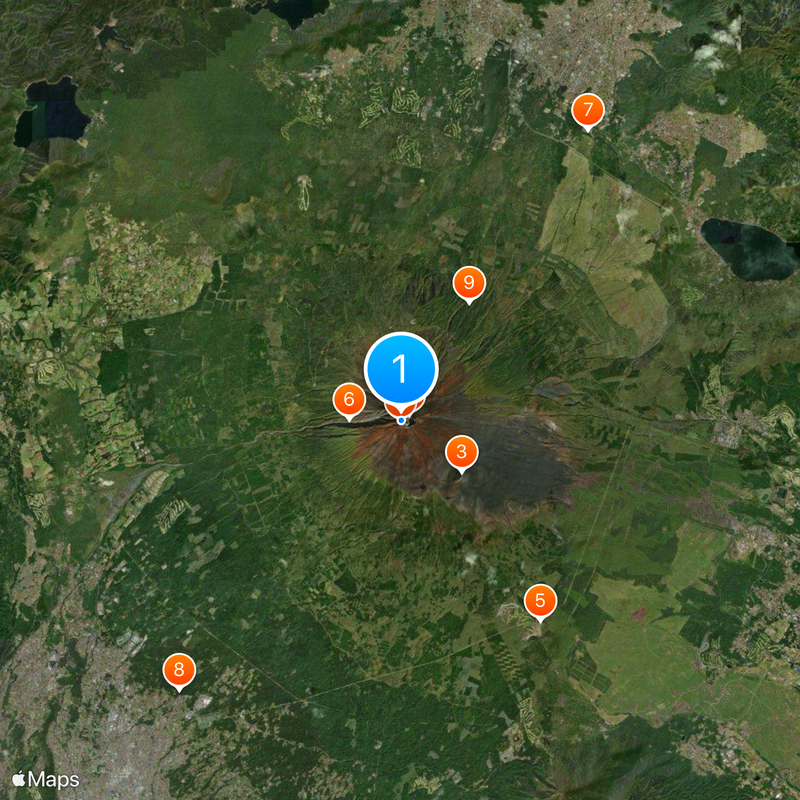
The World Heritage designation encompasses 25 separate locations scattered across and around the mountain, including ancient lakes and forest areas with deep historical roots. This distributed structure means the site is not a single destination but rather a network of places that together form the complete sacred zone.
The community of curious travelers
AroundUs brings together thousands of curated places, local tips, and hidden gems, enriched daily by 60,000 contributors worldwide.