Mount Hōei, Lateral volcano on Mount Fuji's southeastern flank, Gotemba, Japan
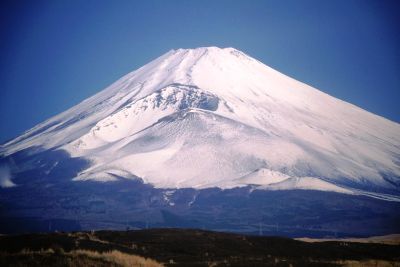
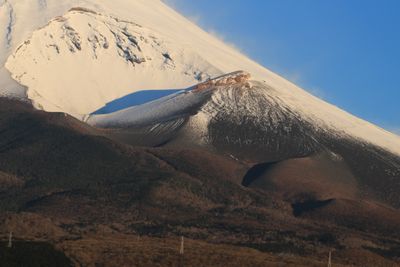
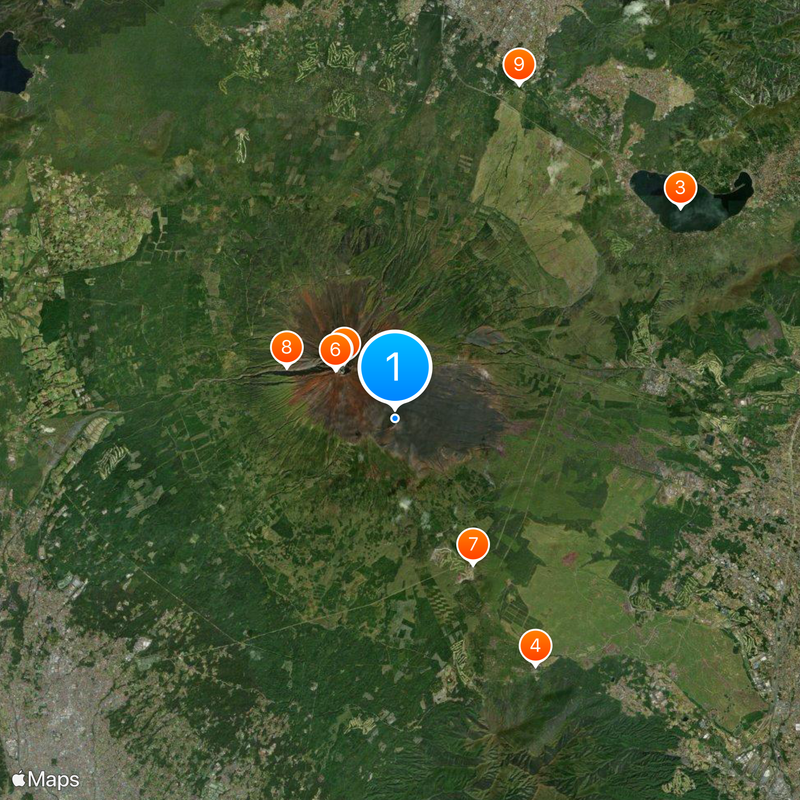
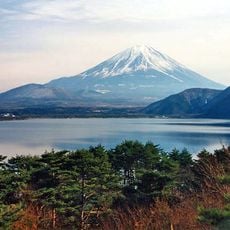
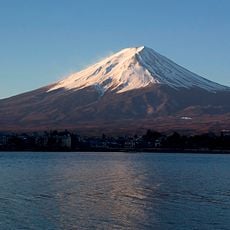
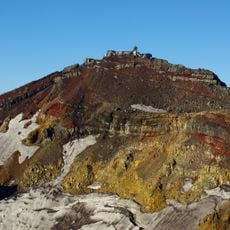
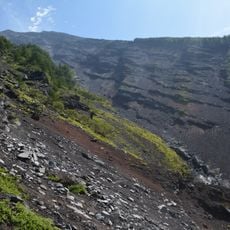
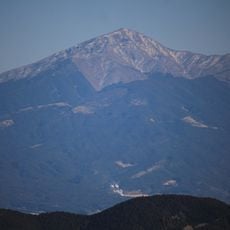
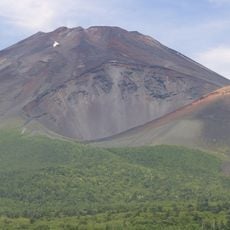
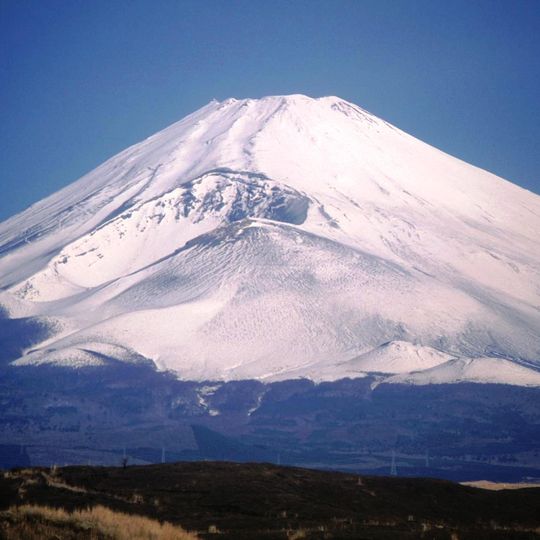
Mount Hōei is a lateral volcano on Mount Fuji's southeastern slope in Gotemba, rising to about 2,693 meters (8,836 feet). The distinctive crater depression shapes the larger mountain's profile and is accessible via several established hiking routes.
This geological formation emerged during a major eruption that took place between December 1707 and January 1708, reshaping the mountain's landscape. The event represents Mount Fuji's last confirmed eruption and left permanent marks visible on the mountain today.
The mountain takes its name from the Hōei period of Japanese history, connecting a pivotal geological event to the country's recorded past. The crater shape remains a visible landmark that draws hikers who want to understand Mount Fuji's story.
Hikers should use established routes from Gotemba and bring proper mountain gear and weather protection, as conditions can change rapidly at high elevations. Late spring through early autumn offers the most stable weather and safest hiking conditions on the mountain.
The crater represents Mount Fuji's last confirmed eruption and serves as a living record of volcanic activity for geologists and visitors to study. Despite its proximity to one of the world's most famous mountains, the site remains less crowded than Main Fuji's primary routes, offering a quieter hiking experience.
The community of curious travelers
AroundUs brings together thousands of curated places, local tips, and hidden gems, enriched daily by 91,725 contributors worldwide.