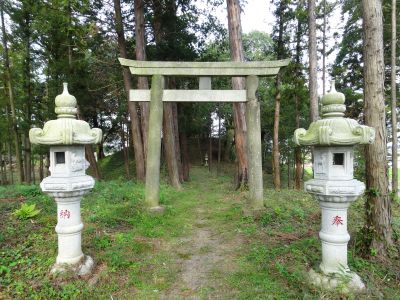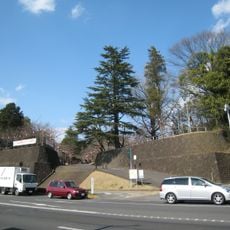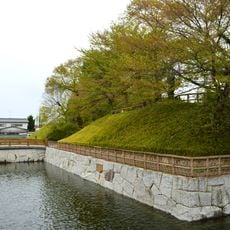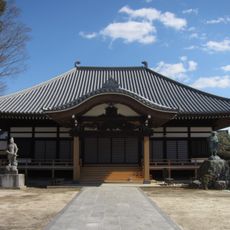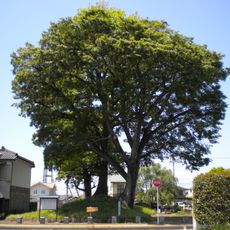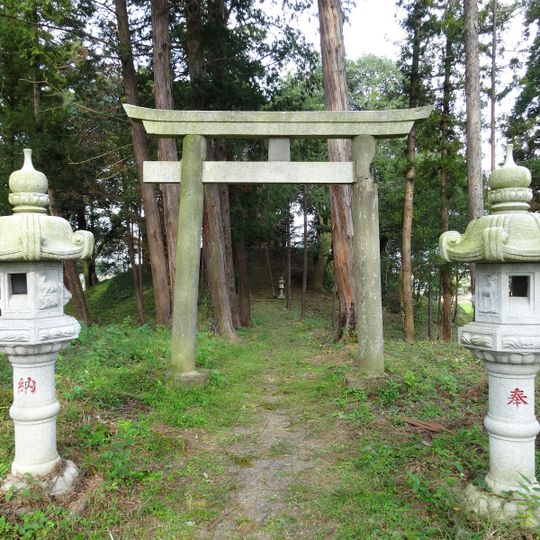
Marishitenzuka-kofun, Ancient burial mound in Japan
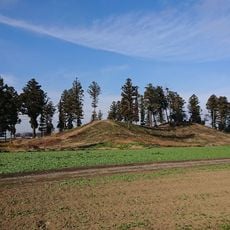
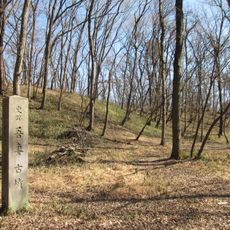
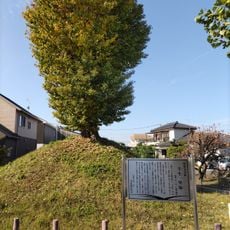
Marishitenzuka-kofun is an ancient burial mound shaped like a keyhole, consisting of a circular section joined to a trapezoidal part. The structure rises several meters high and extends across considerable length.
Built between the 3rd and 7th centuries, it shows burial practices of the Kofun period when powerful rulers constructed monumental tombs. This form of construction was a defining feature of Japanese architecture during that era.
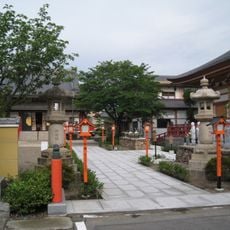
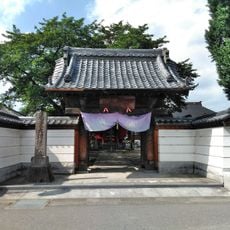
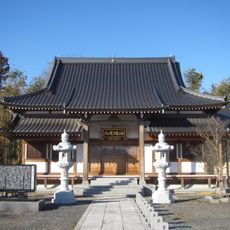
The name references a Buddhist deity, reflecting how later religious meanings were assigned to the site. Visitors can observe how the mound functions as a landmark that shapes the local sense of place.
The mound remains closed to excavations to protect its structure and preserve the archaeological contents. Visitors can view it from outside and study its outlines and proportions in the landscape.
Haniwa, clay figures, were placed around the mound to mark sacred spaces and provide spiritual protection. These ceramic pieces reveal details about daily life and society during the Kofun period.
The community of curious travelers
AroundUs brings together thousands of curated places, local tips, and hidden gems, enriched daily by 91,693 contributors worldwide.