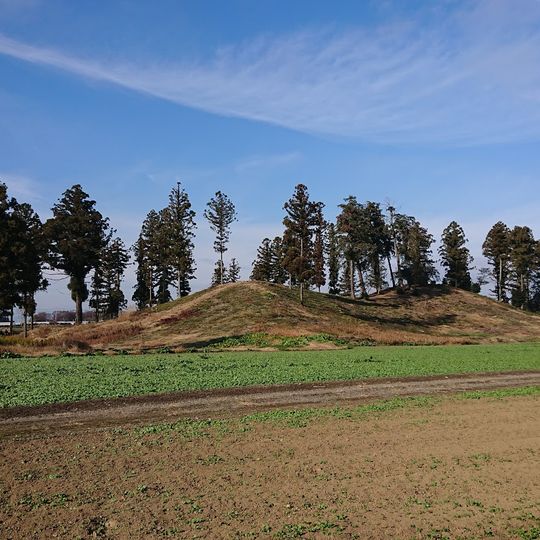
Biwazuka-kofun, Keyhole-shaped burial mound in Oyama, Japan
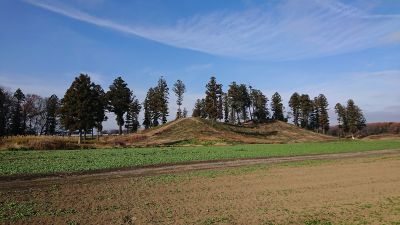
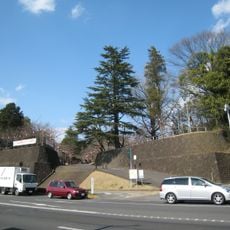
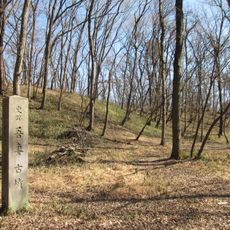
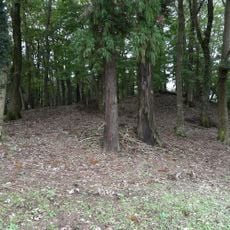
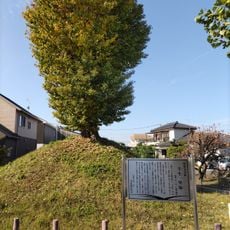
Biwazuka-kofun is a keyhole-shaped burial mound in Tochigi Prefecture that stretches 123 meters with a circular section measuring 75 meters across and rising 11 meters high. The structure features three tiers and is surrounded by a substantial moat, creating a distinctive landform that remains visible from multiple angles.
This burial mound was constructed in the early 6th century as the final resting place for a high-ranking ruler and demonstrates the engineering capabilities of that era. It received official protection status in 1926, which was expanded in 1981 to ensure its preservation for future generations.
The burial mound holds cylindrical haniwa terracotta figures arranged around it, reflecting how ancient Japanese people honored their deceased through specific burial customs that visitors can still observe today.
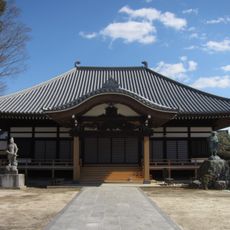
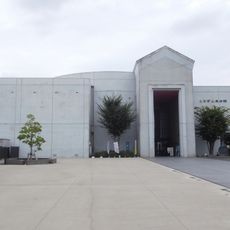
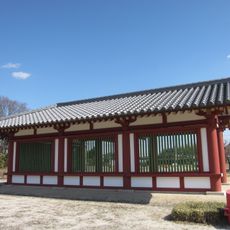
The site is most easily reached by car from Oyama Station, a journey taking about 15 minutes. The adjacent Marishitenzuka-Biwazuka Kofun Museum displays excavated items and provides helpful context for understanding what you see at the mound itself.
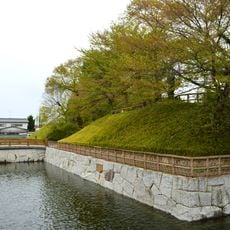
The site reveals three distinct terrace levels built into the mound's design, while the surrounding moat reaches 18 to 20 meters in width and was originally filled with water. This water-filled boundary once marked the site as a place of great importance in the landscape.
The community of curious travelers
AroundUs brings together thousands of curated places, local tips, and hidden gems, enriched daily by 60,000 contributors worldwide.