Hakusan-jinja, shrine in Chūō-ku, Niigata
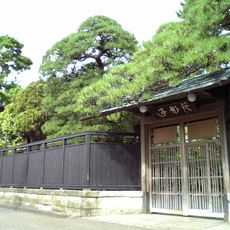
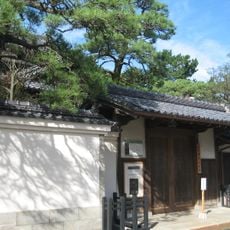
Hakusan-jinja is a Shinto shrine in Chūō-ku, Tokyo, featuring a simple yet well-maintained layout with traditional wooden architecture. Visitors enter through a torii gate and walk past the haiden, the prayer hall where offerings are made, before reaching the honden, the main shrine building where the divine spirits are believed to reside.
The shrine was founded around the year 948 and relocated to its present location in 1655 after originally standing elsewhere. During the Edo period, it received support from the powerful Tokugawa shoguns, particularly the fifth shogun, and became one of the ten principal shrines of Tokyo.
The shrine is known locally as a place where people pray for love and good relationships, as the goddess Kikurihime is worshipped here and is believed to help mend conflicts. Visitors also come to pray for relief from toothaches, a tradition dating to the Edo period when the shrine was famous for dental healing.
The shrine is easy to reach, just a two-minute walk from Hakusan Station on the Toei Mita Line or about five minutes from Honkomagome Station on the Tokyo Metro Namboku Line. It is accessible all year round and free to enter, with no gates or opening hour restrictions.
A special feature is a stone monument honoring Sun Yat-sen, founder of the Chinese Republic, who witnessed the Halley Comet here in 1910 in a moment that inspired his revolutionary movement. The grounds are also home to numerous friendly cats that roam freely and rest among the bushes and near the old buildings.
The community of curious travelers
AroundUs brings together thousands of curated places, local tips, and hidden gems, enriched daily by 60,000 contributors worldwide.