Amerongen, village and former municipality in Utrecht, the Netherlands
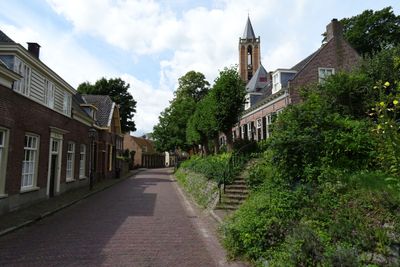
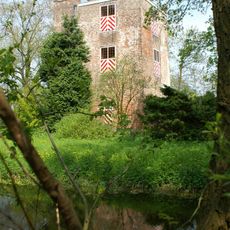
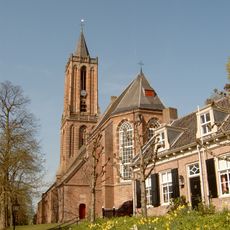
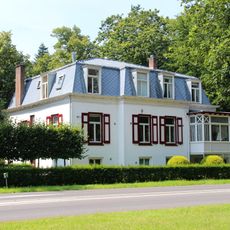
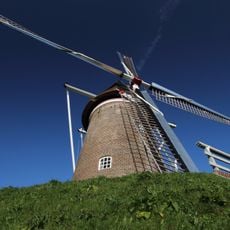
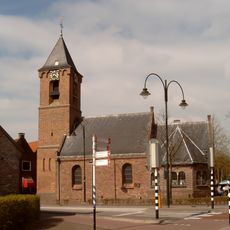
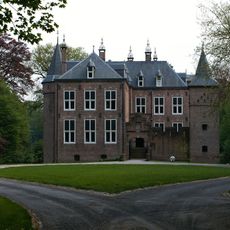
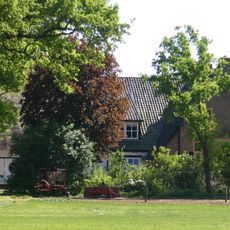
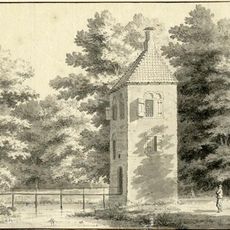
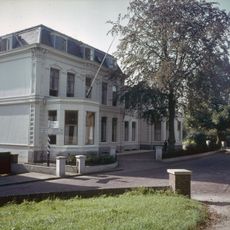
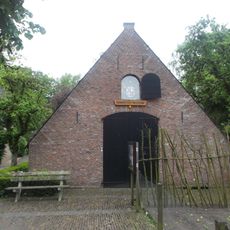
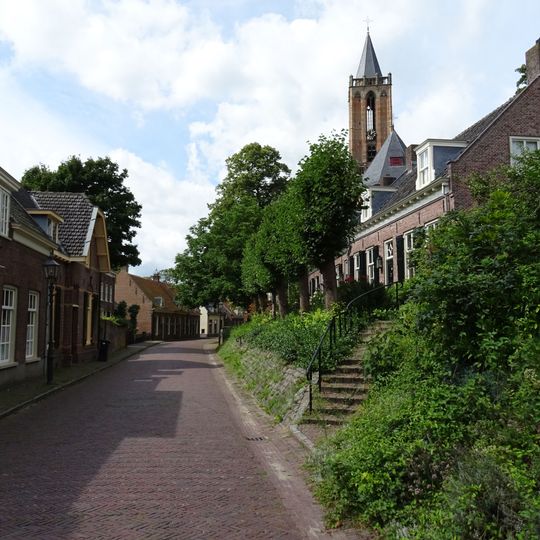
Amerongen is a village in the Utrechtse Heuvelrug, a forested ridge in the Netherlands, lying close to the Rhine. Its old narrow streets, traditional farmhouses, and a castle in the center give the place a compact and coherent character.
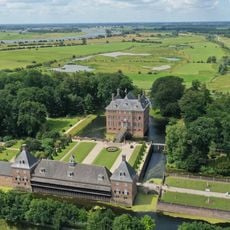
The settlement grew around the 11th century, later developing around a castle built in the late 13th century under Count Floris V of Holland. The position between the Rhine and the hills made Amerongen a point of control along one of the main river crossings of the area.
The name Amerongen comes from an old word describing land between water and forest, which still fits the setting today. Along the village streets, small shops and cafes serve as the natural gathering points for both locals and visitors.
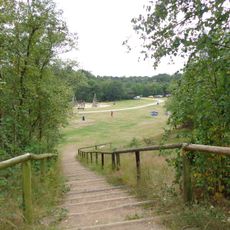
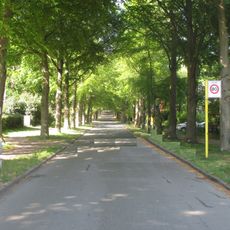
The village is easy to walk through, with its compact layout making orientation straightforward even for first-time visitors. From the center, paths lead directly into the surrounding forests and toward the Rhine floodplains.
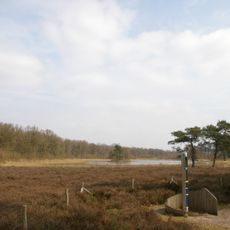
Amerongen was once a center for tobacco growing, a crop rarely associated with the Netherlands, and a local museum is dedicated to this forgotten chapter of its farming past. Just outside the village, the Amerongse Bovenpolder is home to wild horses and Galloway cattle roaming freely across the floodplain.
The community of curious travelers
AroundUs brings together thousands of curated places, local tips, and hidden gems, enriched daily by 60,000 contributors worldwide.