Annapurna Conservation Area, Conservation area in central Nepal
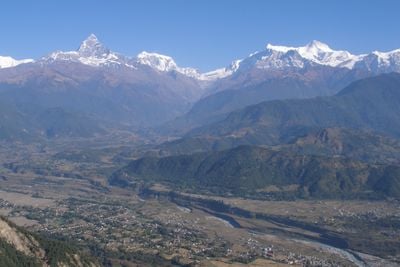
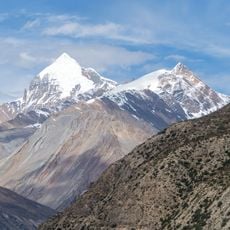
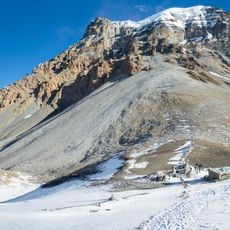
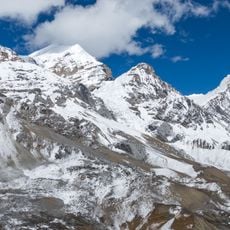
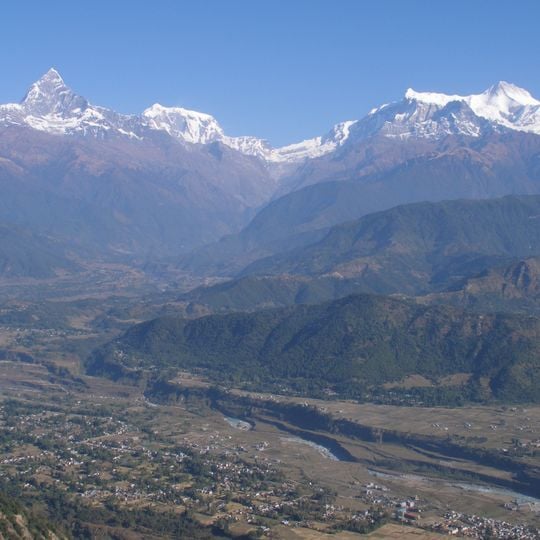
The Annapurna Conservation Area is a protected region in central Nepal that spans varied landscapes and connects different habitats. It includes subtropical forests at lower elevations, alpine meadows in the middle zones, and snow-capped mountain ranges at high altitudes.
The government of Nepal established this protected area in 1985 as the country's first conservation area. Its creation aimed to safeguard local wildlife while supporting the development of communities living within its boundaries.
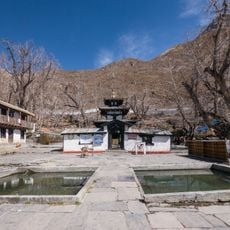
Local Gurung, Thakali, and Magar communities practice farming and celebrate religious festivals that are deeply tied to the seasons and mountains. These traditions shape daily village life today and are visible in the fields, houses, and temples you encounter while walking through the area.
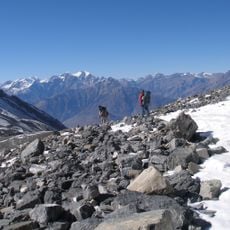
Visitors need to obtain a permit from the management office in Pokhara before entering the area for trekking or other activities. It helps to check local conditions and routes on arrival, and bring gear suited to varying elevations and seasons.
The area harbors an extraordinary variety of plants and animals that differ dramatically across its different elevation zones. From wet forest at lower levels to barren mountain terrain above, the living world changes so drastically during a trek that you pass through multiple ecosystems in a single journey.
The community of curious travelers
AroundUs brings together thousands of curated places, local tips, and hidden gems, enriched daily by 90,809 contributors worldwide.