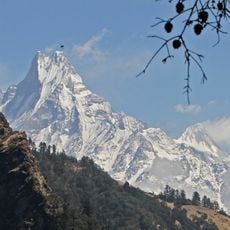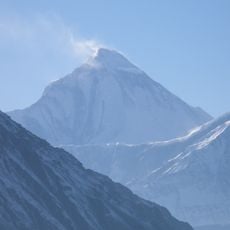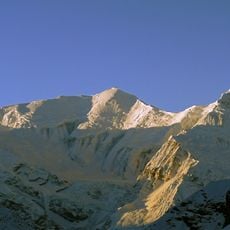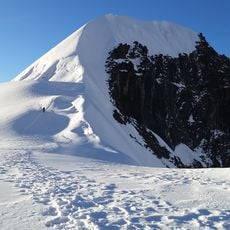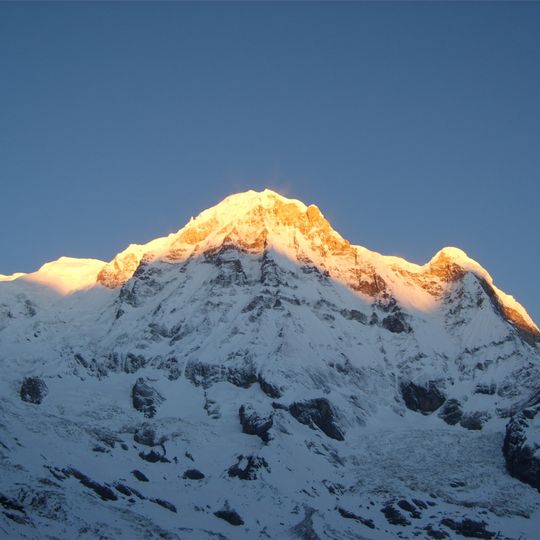
Annapurna, Mountain summit in Gandaki Province, Nepal
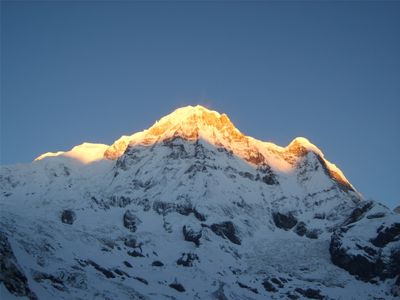
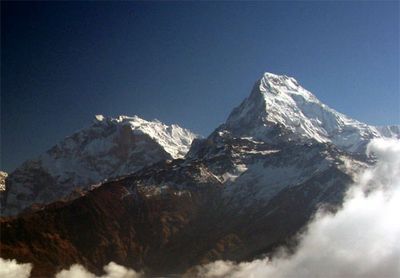
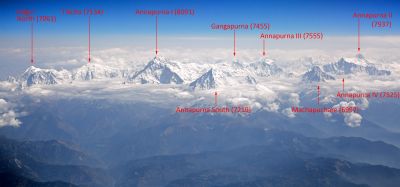
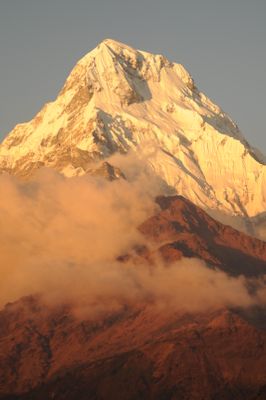
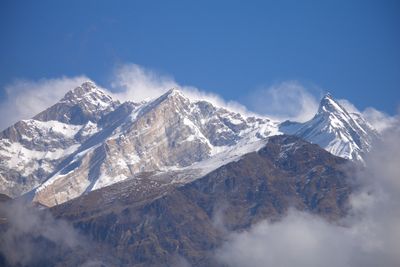
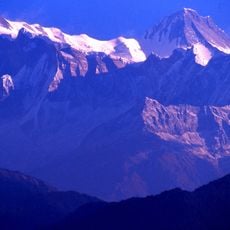
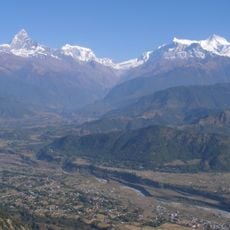
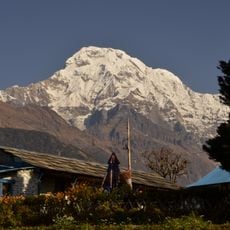
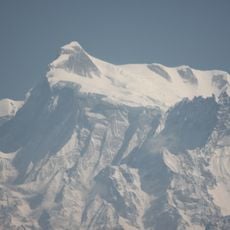
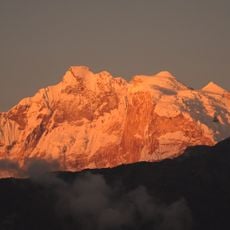
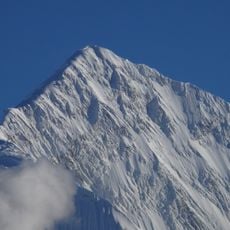
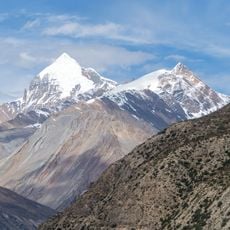
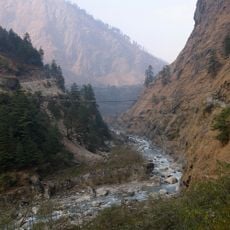
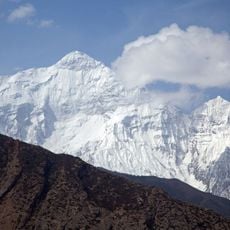
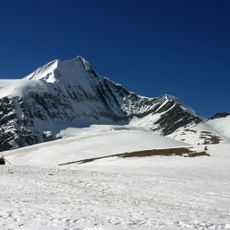
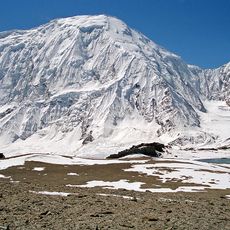
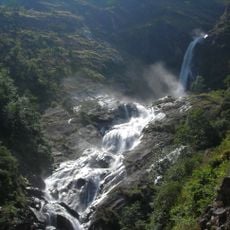
Annapurna is a summit in the Himalayan range within Gandaki Province in Nepal, reaching 8,091 meters above sea level and ranking among the ten tallest mountains on the planet. The mountain forms the center of a massif with several other peaks, surrounded by deep valleys and glaciers that create a rugged landscape of rock and ice.
On June 3, 1950, French mountaineers Maurice Herzog and Louis Lachenal became the first people to reach the top, marking history as the first ascent of an 8,000-meter peak. Later expeditions opened new routes on other flanks, though these remain among the most dangerous climbs in the world due to frequent avalanches and rockfall.
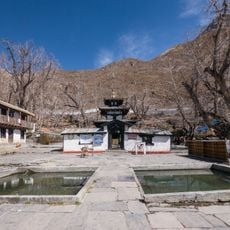
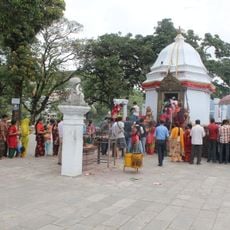
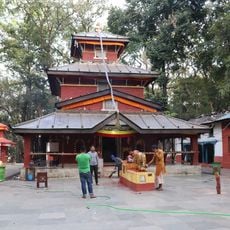
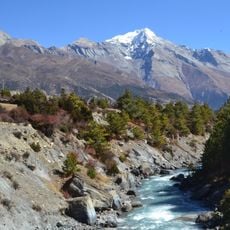
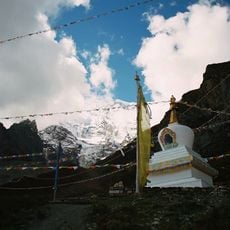
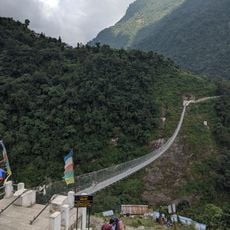
The name comes from the Hindu goddess Annapurna, whose temple on the southern slope draws pilgrims from Nepal and India. Many villages along the trekking routes maintain Tibetan traditions and hold festivals where peaks are honored as sacred guardians.
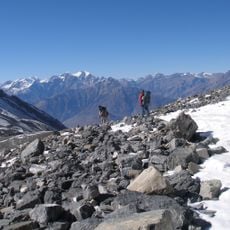
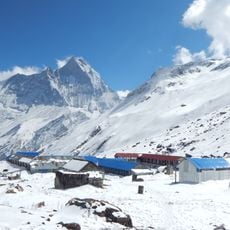
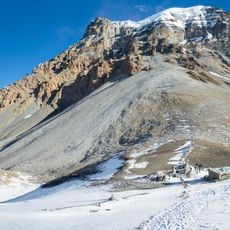
Climbers need a permit and usually attempt the ascent in spring or autumn when weather conditions pose fewer hazards. Many visitors choose trekking routes around the massif that require no technical climbing and offer views into the high mountain environment.
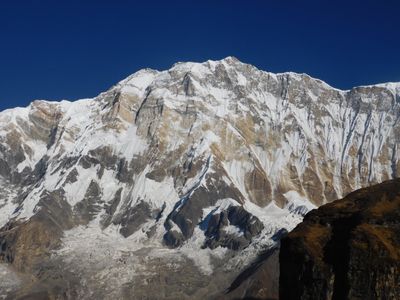
The south face rises almost vertically for 3,000 meters and stands as one of the toughest challenges for extreme mountaineers. Less known is that the peak has one of the highest fatality rates among all 8,000-meter mountains, making it a true test of experience and caution.
The community of curious travelers
AroundUs brings together thousands of curated places, local tips, and hidden gems, enriched daily by 90,863 contributors worldwide.