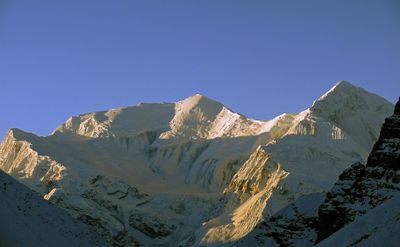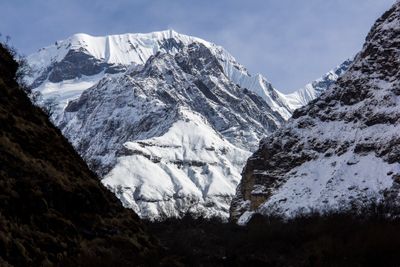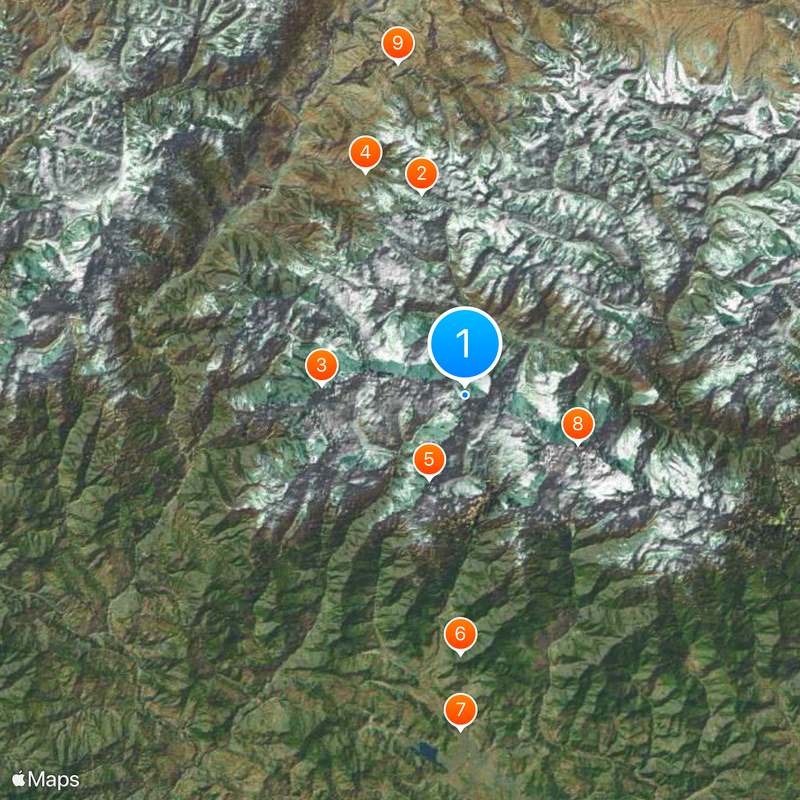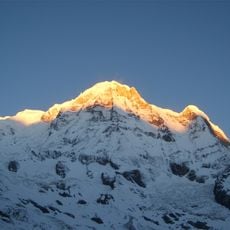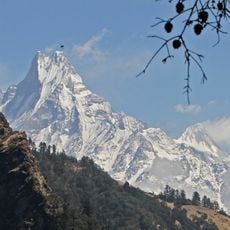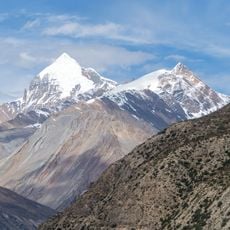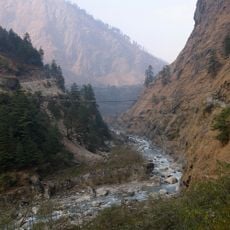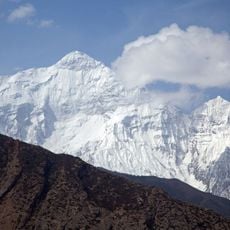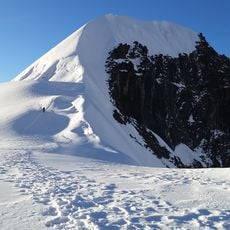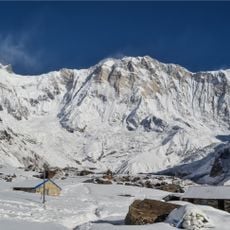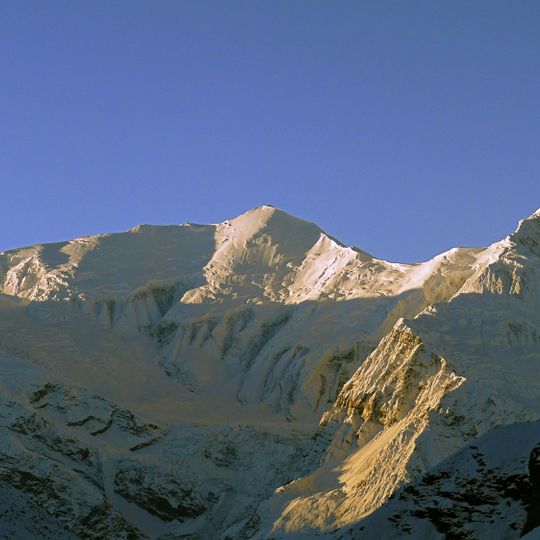
Annapurna III, Mountain peak in Gandaki Province, Nepal
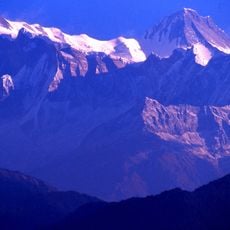
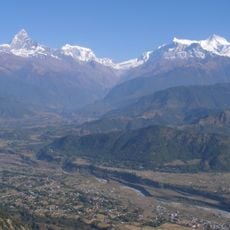
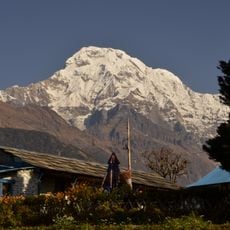
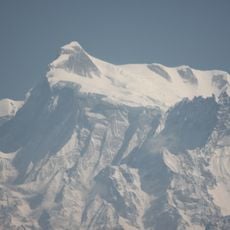
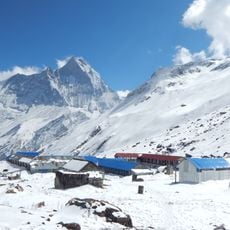
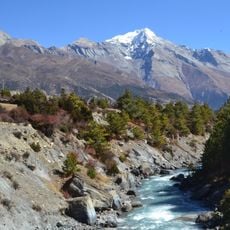
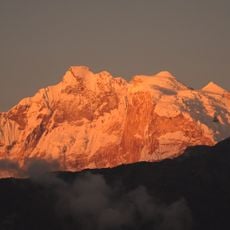
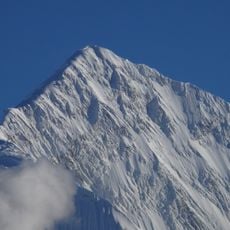
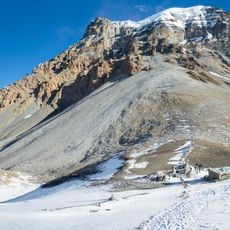
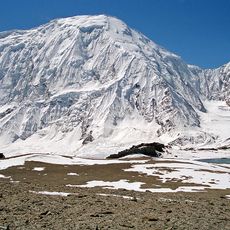
Annapurna III rises to 7,555 meters and forms part of the Annapurna massif located between the Kali Gandak and Marsyandi rivers. The mountain features several ridges, with the southeast ridge distinguished by steep rock faces and significant vertical relief.
The first successful ascent took place in May 1961 when an Indian expedition led by Captain Mohan Singh Kohli reached the summit. This achievement opened the mountain to climbers from around the world who explored different routes over the following decades.
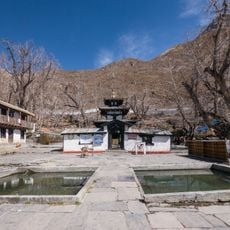
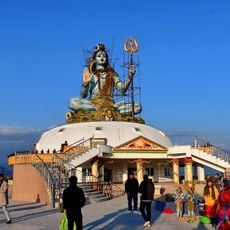
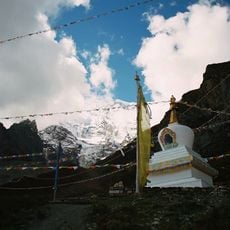
The mountain's name comes from Sanskrit and refers to a Hindu goddess associated with food and sustenance who is believed to bless the valleys below. Local communities view this summit as sacred, and it holds spiritual meaning for people living in the region.
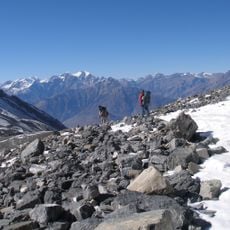
The mountain requires technical climbing skills and is most accessible during the dry season when weather conditions are more stable. Visitors should prepare for high altitude, cold temperatures, and demanding conditions, and it is essential to hire experienced mountain guides.
The southeast face of the mountain remained one of the most difficult routes to climb in the region for many years. Only in 2021 did a Ukrainian climbing team succeed in breaking through on this side after numerous failed attempts.
The community of curious travelers
AroundUs brings together thousands of curated places, local tips, and hidden gems, enriched daily by 90,872 contributors worldwide.