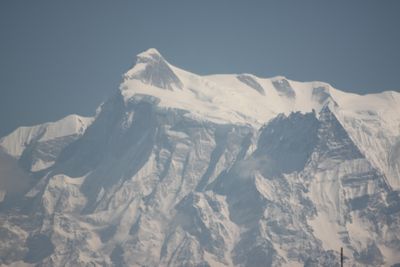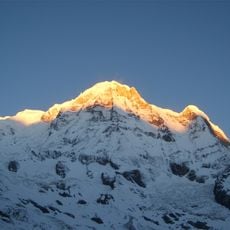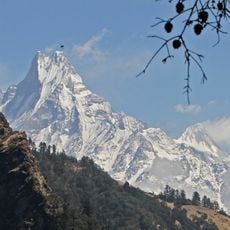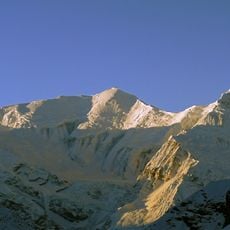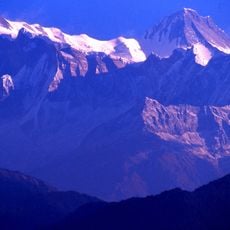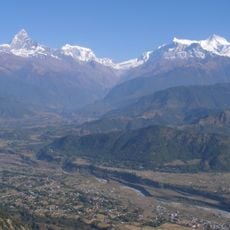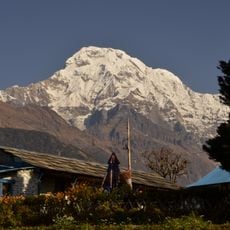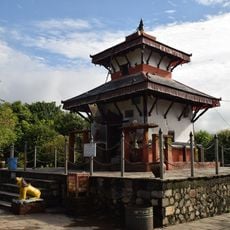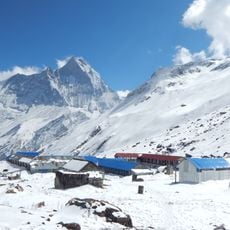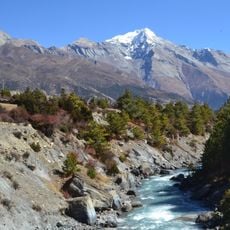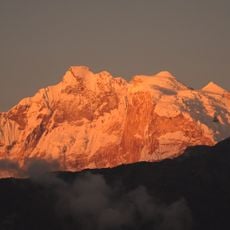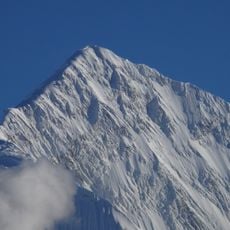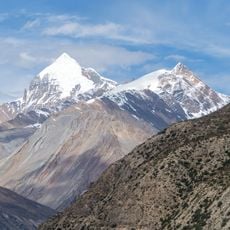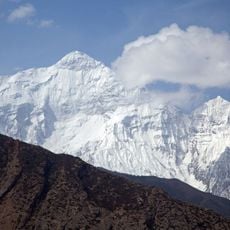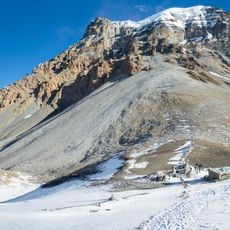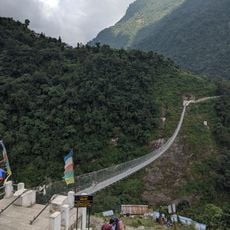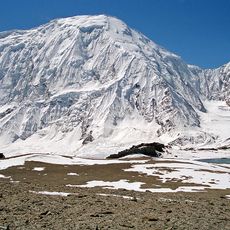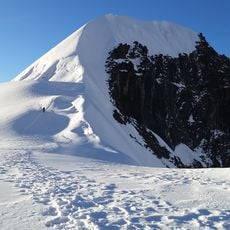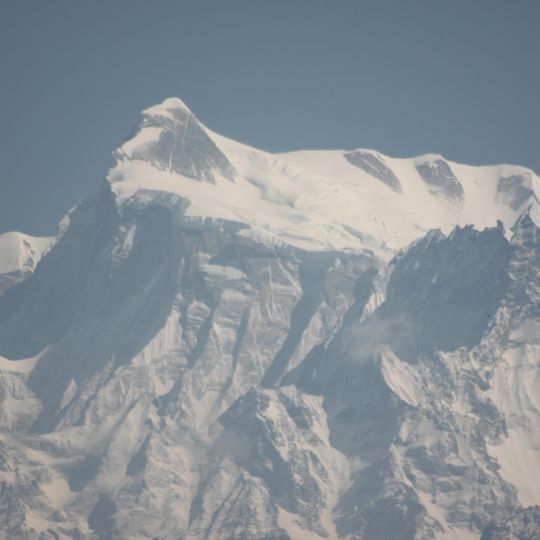
Annapurna IV, Mountain summit in Gandaki Province, Nepal.
Annapurna IV is a mountain summit in Nepal reaching 7,525 meters (24,688 feet) with four climbing camps positioned strategically between Base Camp and the final ascent. The route passes through changing landscapes and demands endurance as climbers deal with thin air at this altitude.
Annapurna IV was first climbed in 1955 by German mountaineers Harald Biller, Heinz Steinmetz, and Juergen Wellenkamp without supplemental oxygen. This early achievement demonstrated the possibility of reaching this height using only the body's natural capabilities.
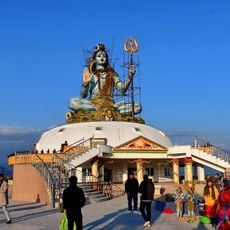
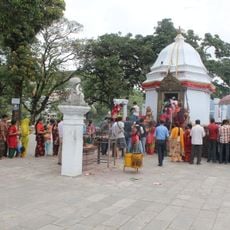
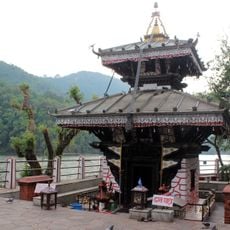
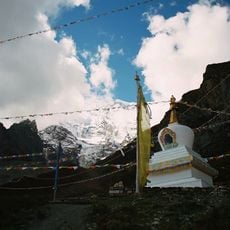
The Sherpa communities living near Annapurna IV practice traditional mountain rituals tied to the climbing season and show deep respect for the mountain through their customs. Visitors encounter people whose daily lives and livelihoods are shaped by the presence of these high peaks.
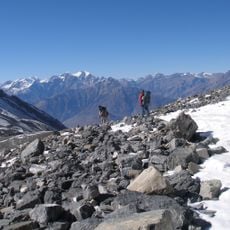
Climbing to this summit requires permits and specialized equipment suited to extreme terrain and high altitude conditions. Expeditions typically span around 30 days and include acclimatization periods in Manang Valley to help the body adapt.
Out of roughly 100 climbing expeditions to this peak, only about one-third of teams summited, highlighting how difficult the mountain is. Interestingly, very few climbers used supplemental oxygen despite the extreme altitude where it might be expected.
The community of curious travelers
AroundUs brings together thousands of curated places, local tips, and hidden gems, enriched daily by 90,800 contributors worldwide.