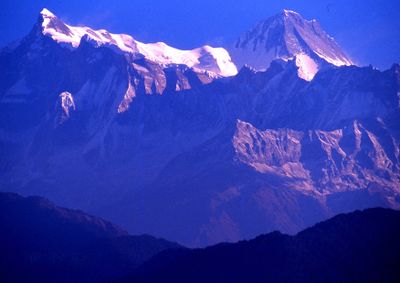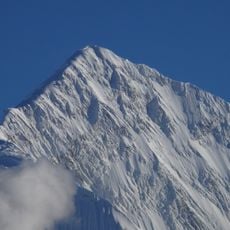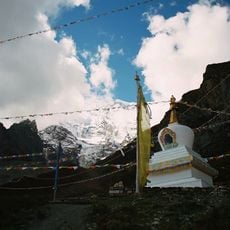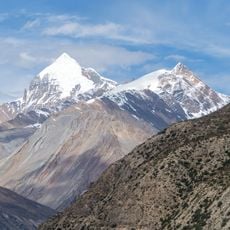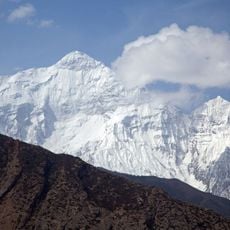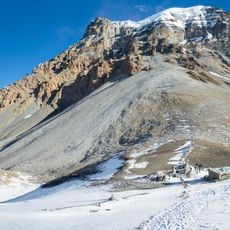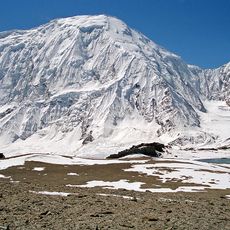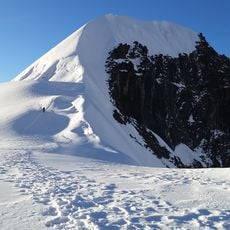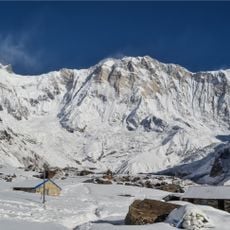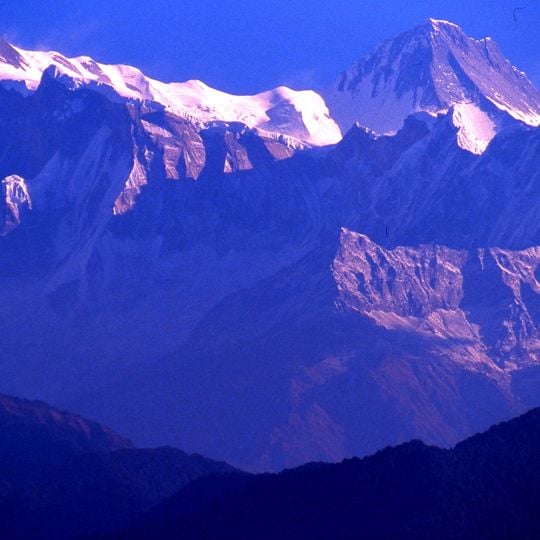
Annapurna II, Mountain summit in Gandaki Province, Nepal.
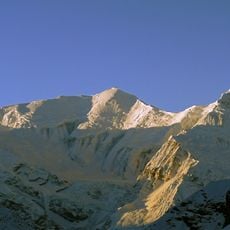
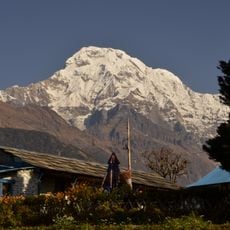
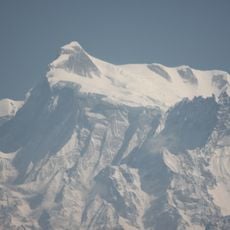
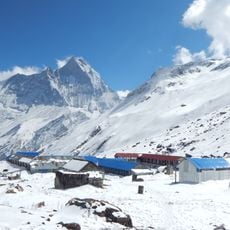
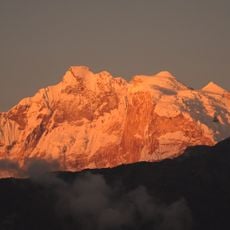
Annapurna II is a mountain summit in Nepal's Gandaki Province that rises to 7,937 meters and stands as the second-highest peak in the Annapurna range. The mountain shapes the southern landscape with its snow-covered slopes and jagged ridges.
The first successful ascent took place on May 17, 1960, when a British, Indian, and Nepalese team climbed the West Ridge route. This early success established the route as a recognized path for climbers who came after.
The name comes from Sanskrit words meaning eternal sustenance, linking the peak to Hindu beliefs about divine blessing and abundance. Local communities and pilgrims view the mountain as a sacred place that embodies the power of nature.
Climbers face serious dangers from avalanches, rockfall, and frequent storms, requiring thorough preparation and careful weather monitoring. The best time to attempt the ascent is during spring and autumn when conditions are more stable.
The mountain is the highest ultra-prominent peak under 8,000 meters, with a prominence of 2,437 meters from its base. This rare quality makes it noteworthy among climbers seeking less common objectives.
The community of curious travelers
AroundUs brings together thousands of curated places, local tips, and hidden gems, enriched daily by 92,376 contributors worldwide.