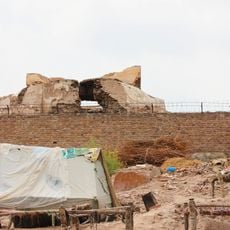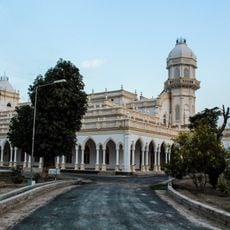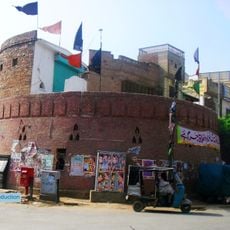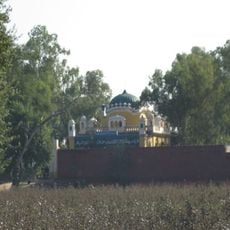
Shrine of Khalid Walid, Medieval Sufi shrine in Nawan Shehr, Kabirwala, Pakistan.
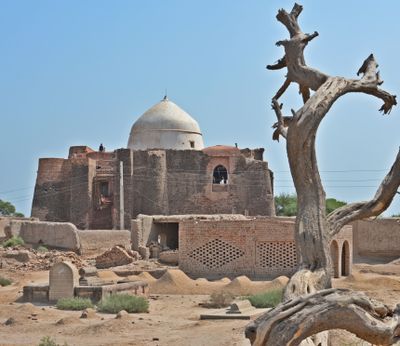
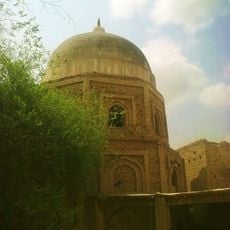
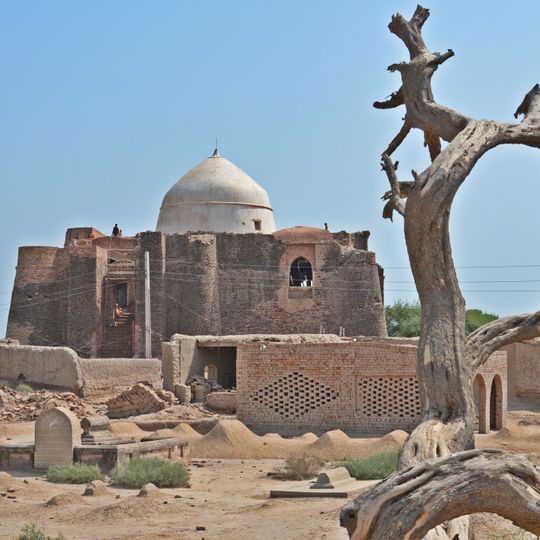
The Shrine of Khalid Walid is a fortified rectangular structure with semicircular bastions at each corner and a low curved dome on top. The building has four entrances that lead to vaulted galleries and rectangular rooms, with the western wall showing the direction for prayer.
The shrine was built in the late 12th to early 13th century under Muhammad of Ghor's rule by Ali bin Karamakh, the Governor of Multan. This period marked when Islamic architecture first took root in the region.
The inner walls display detailed brick patterns and a prayer niche with Arabic inscriptions from the Seljuk period. Visitors can observe these crafted details that show the skill of the artisans who built it.
The shrine is a compact building that you can explore easily on foot, with the four entrances making it simple to visit different areas. Take time to observe the details both inside and outside, especially the brickwork patterns and the architectural features.
This is the oldest surviving Muslim burial monument in South Asia and shows how tomb architecture developed in this period. It stands as an example of how early rulers expressed power and faith through architecture.
The community of curious travelers
AroundUs brings together thousands of curated places, local tips, and hidden gems, enriched daily by 92,206 contributors worldwide.