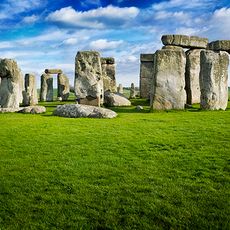
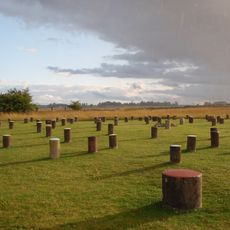
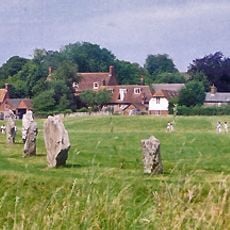
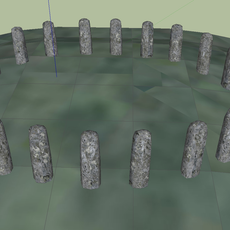
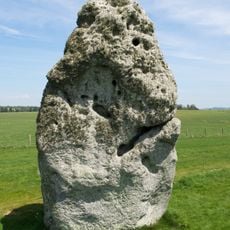
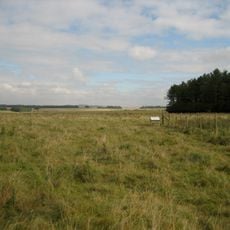
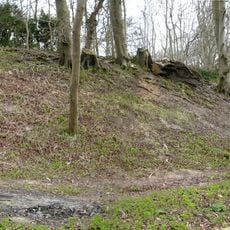
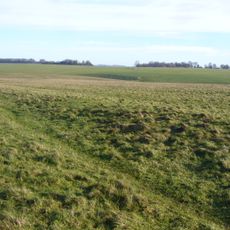
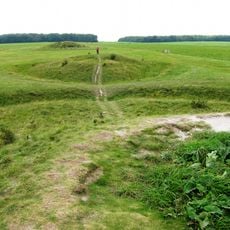
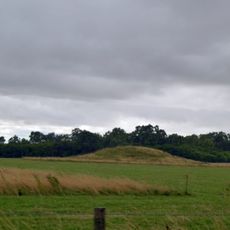
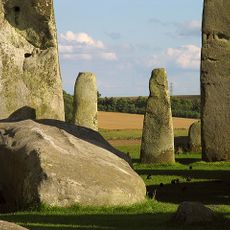
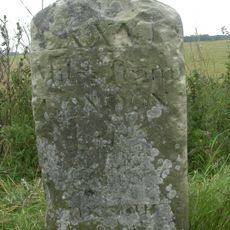
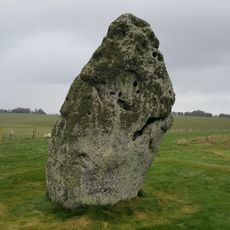
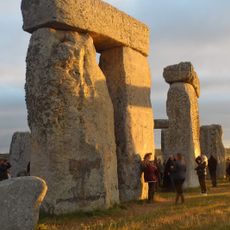
Excavations at Stonehenge, Archaeological excavation site at Stonehenge, Wiltshire, England.
The excavations at Stonehenge form an archaeological site where researchers uncover multiple layers of human activity that span from the Neolithic period through the Bronze Age. The ground contains traces of settlements, burials, and ritual activities that help scholars understand how people used this location over thousands of years.
Formal excavations began in the 1620s when the Duke of Buckingham pursued research following a royal visit to the monument. Systematic investigations over centuries have revealed that this location served as a focal point for different communities across multiple prehistoric periods.
Archaeological investigations from 2008 uncovered evidence of cremation burials representing more than 50 individuals interred between 3000 and 2800 BCE.
Visitors can observe modern research methods such as laser scanning and geophysical surveys that specialists use to document archaeological finds. The best time to visit is during active excavation periods when you can watch researchers working on site.
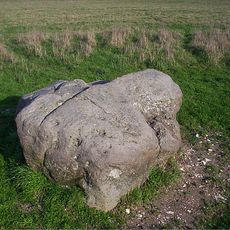
The Altar Stone came from Scotland, revealing that prehistoric peoples exchanged materials across vast distances. This discovery shows that interconnected trade networks linked distant parts of Britain long before the Iron Age.
The community of curious travelers
AroundUs brings together thousands of curated places, local tips, and hidden gems, enriched daily by 90,777 contributors worldwide.