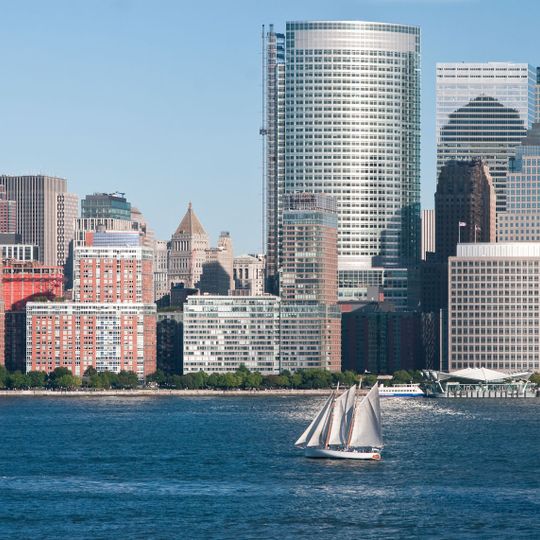
Hudson River, Major waterway in New York, United States
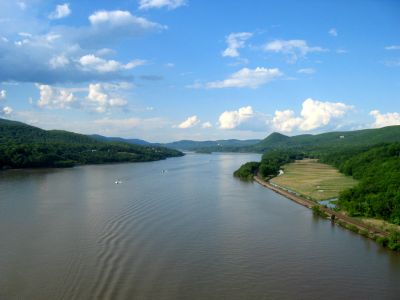
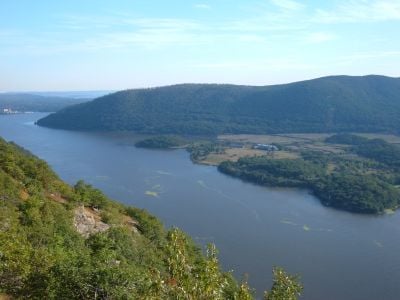
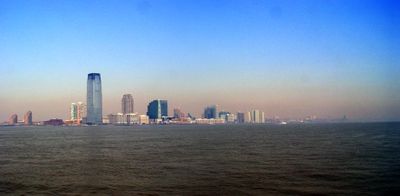
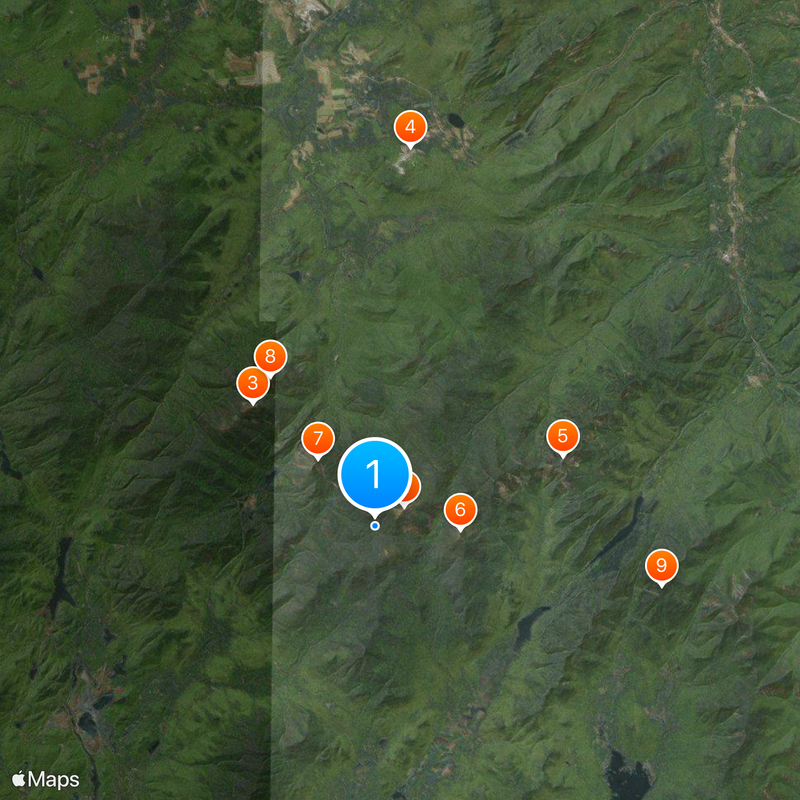
The Hudson River is a waterway over 300 miles long that flows from the Adirondack Mountains in northern New York State to the Atlantic Ocean, passing through cities, forests and rolling hills along its course. In some sections it reaches depths around 200 feet, allowing larger vessels to navigate far inland and shaping the landscape from the mouth to Albany.
Henry Hudson sailed this waterway in 1609 while working for the Dutch East India Company, opening the route for Dutch settlers and the founding of New Netherland. Later it became a major trade corridor linking the Atlantic with the Great Lakes after canal systems connected the interior.
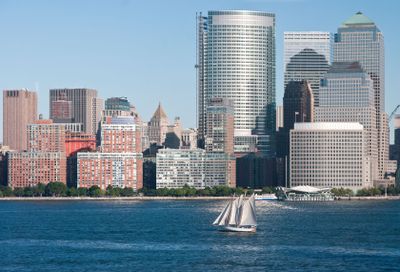
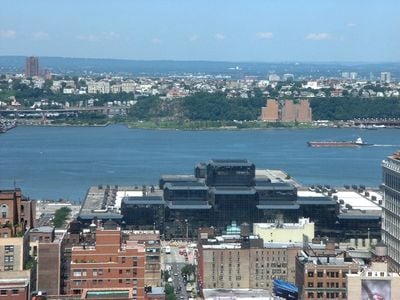
Ferries and excursion boats connect communities along the water, allowing residents to travel and socialize on the river as part of daily life. Waterfront promenades draw morning joggers, fishermen casting lines from piers, and cyclists using paths that follow the shoreline for miles.
Riverfront access is available at many points between towns, with some sections better developed than others and parking or stairs leading down to the water. Current and tide conditions vary by season and location, so swimmers and boaters should check local conditions before entering the water.
The lower half functions as a tidal estuary where saltwater from the Atlantic mixes with freshwater, creating habitat conditions for fish and plants adapted to the shift. This salt and fresh exchange reaches far upstream, affecting daily life for riverside communities who watch water levels rise and fall.
The community of curious travelers
AroundUs brings together thousands of curated places, local tips, and hidden gems, enriched daily by 60,000 contributors worldwide.