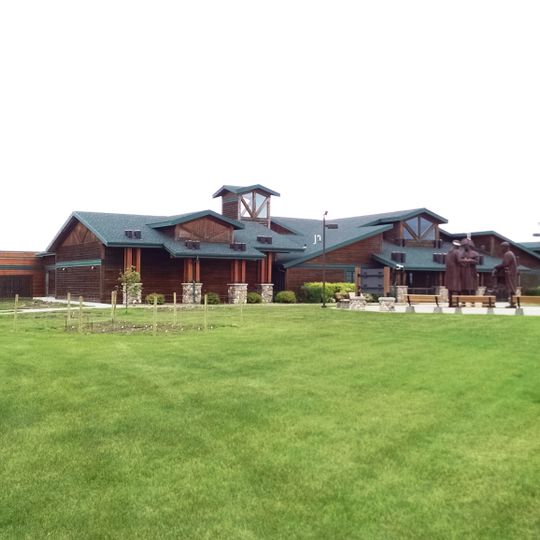
North Dakota Lewis and Clark Interpretive Center, Interpretation center in Washburn, North Dakota, United States
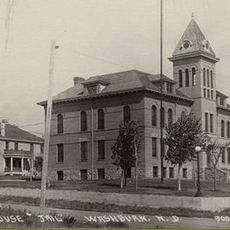
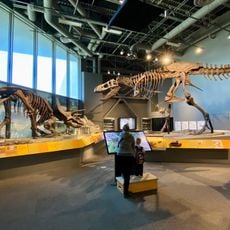
The North Dakota Lewis and Clark Interpretive Center is a museum in Washburn that explains Great Plains history through objects and artworks. It displays how people, trade, and the land shaped life in this region over time.
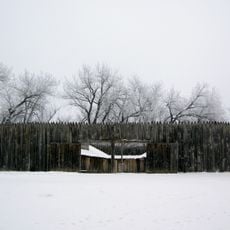
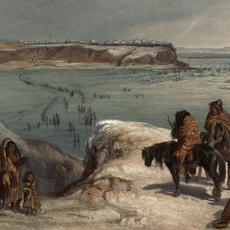
The site came about when the Lewis and Clark Expedition built Fort Mandan here during the winter of 1804-1805 while staying with Mandan villages. This meeting was a key moment when two different worlds and their trade networks crossed paths.
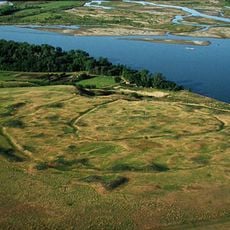
The Mandan and Hidatsa peoples built their villages along the Missouri River and made them into important trading hubs where different groups met and exchanged goods.
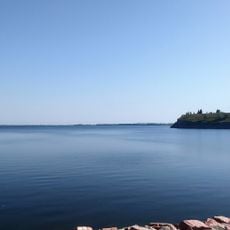
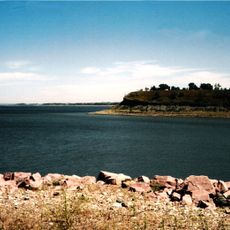
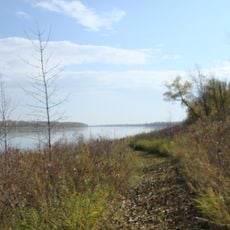
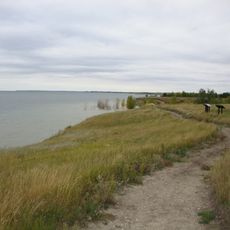
The center sits right on the Missouri River in downtown Washburn and is easy to reach on foot. Plan for three to four hours to explore the galleries and grounds, especially if you also visit the reconstructed fort two miles away.
The center focuses on the roles of women and children in the expedition, often overlooked in other accounts, and shows their daily lives. Visitors learn how Sacagawea and other women made the journey possible and what they experienced.
The community of curious travelers
AroundUs brings together thousands of curated places, local tips, and hidden gems, enriched daily by 91,808 contributors worldwide.