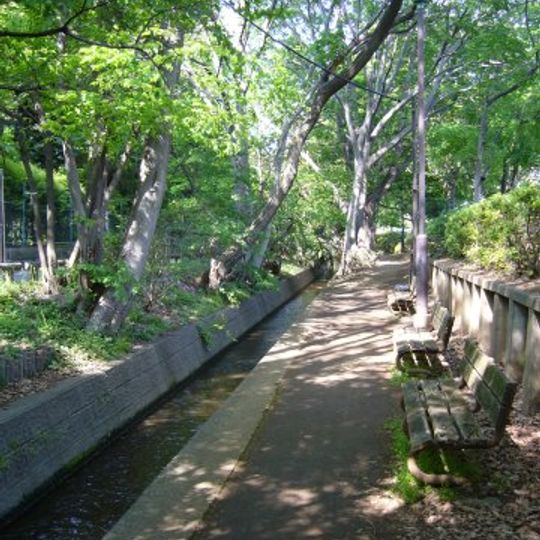
Senkawa Aqueduct, canal in Japan
The Senkawa Aqueduct is a water-carrying structure in Tokyo that runs for about 22 kilometers and directs water from the Tamagawa River into the city. The structure is built of stone and brick with simple channels and small bridges, passing through various neighborhoods and partly hidden beneath the modern city.
The aqueduct was built in 1696 by the Tokugawa shogunate to supply water to the growing city of Edo, which had been rebuilt after fires. Over time, water use shifted from household consumption to irrigating rice paddies, and later the channels also served industrial facilities.
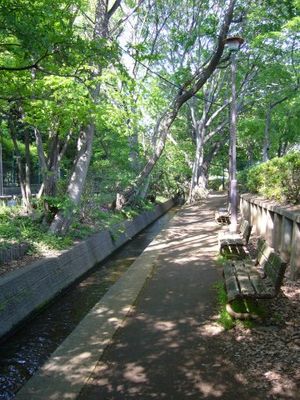
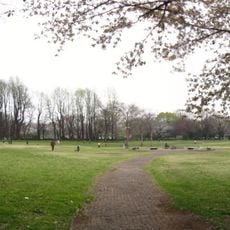
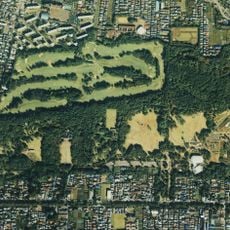
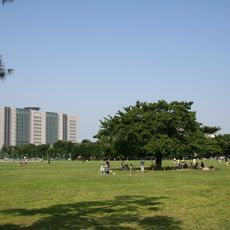
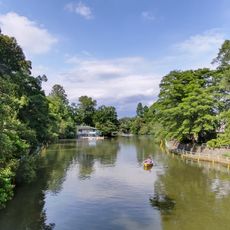
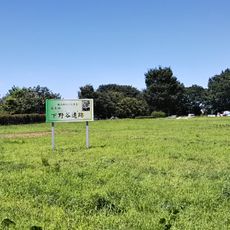
The Senkawa Aqueduct carries a name tied to the river it once supplied, which held importance for the city. Today, you can see how this old waterway is woven into the urban landscape, sometimes visible as a green path with trees, sometimes hidden beneath parks and roads.
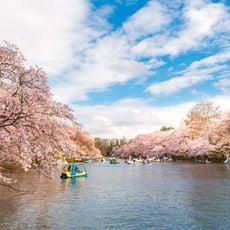
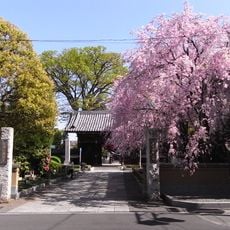
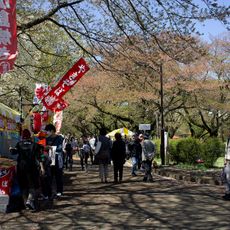
You can walk along sections of the aqueduct that have become pedestrian and cycling paths, with some stretches lined by cherry trees. Visitors should know that large portions of the system lie hidden beneath modern parks and streets, which can make navigation tricky in some areas.
The system was so vital that during the 1860s it diverted water to facilities making cannons and weapons to defend the city. This use shows how water infrastructure was repurposed during Japan's modernization efforts.
The community of curious travelers
AroundUs brings together thousands of curated places, local tips, and hidden gems, enriched daily by 90,830 contributors worldwide.