University of Michigan Biological Station, Research station at Douglas Lake, Michigan, United States.
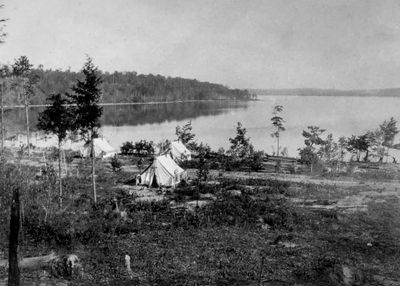
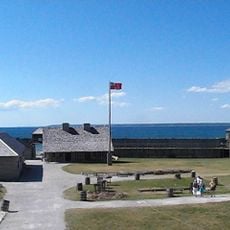
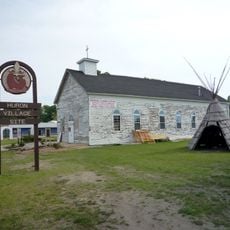
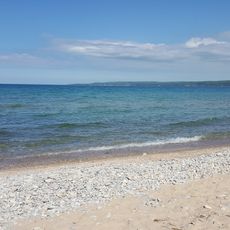
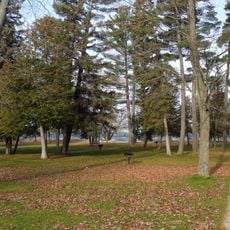
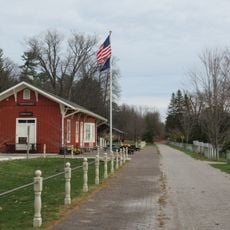
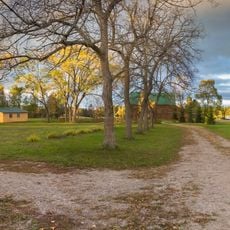
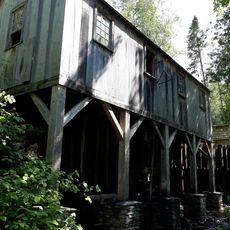
The University of Michigan Biological Station is a research center sprawling across roughly 10,000 acres near Douglas Lake, with laboratories, dormitories, and field facilities spread throughout. The property includes housing for students and researchers alongside modern equipment designed for ecological and environmental studies.
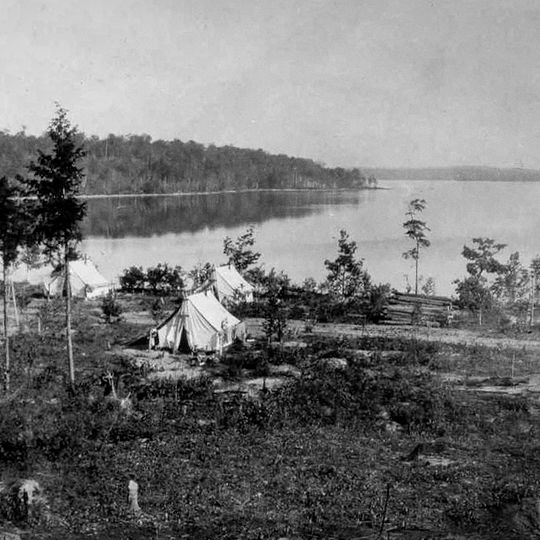
Established in 1909, the station evolved into a leading research center for understanding natural systems and has become part of an international network of biosphere reserves. This designation reflects its importance for conservation science and ecological knowledge.
The station attracts researchers from around the world who share their findings through publications and scientific conferences, shaping how people understand freshwater ecosystems. The work happening here influences conservation efforts far beyond Michigan.
The station primarily hosts research programs during warmer months and welcomes visitors interested in field study and hands-on learning. The best time to visit is between May and September, when field conditions are most favorable and research activities are at their peak.
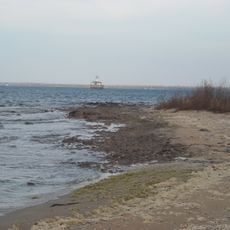
The site is home to one of the world's largest populations of Hungerford's Crawling Water Beetle, found naturally in only five locations globally. This small creature serves as a key indicator of the lake ecosystem's health and receives special attention from researchers.
The community of curious travelers
AroundUs brings together thousands of curated places, local tips, and hidden gems, enriched daily by 60,000 contributors worldwide.