Lesser Antilles, Island chain in Caribbean Sea
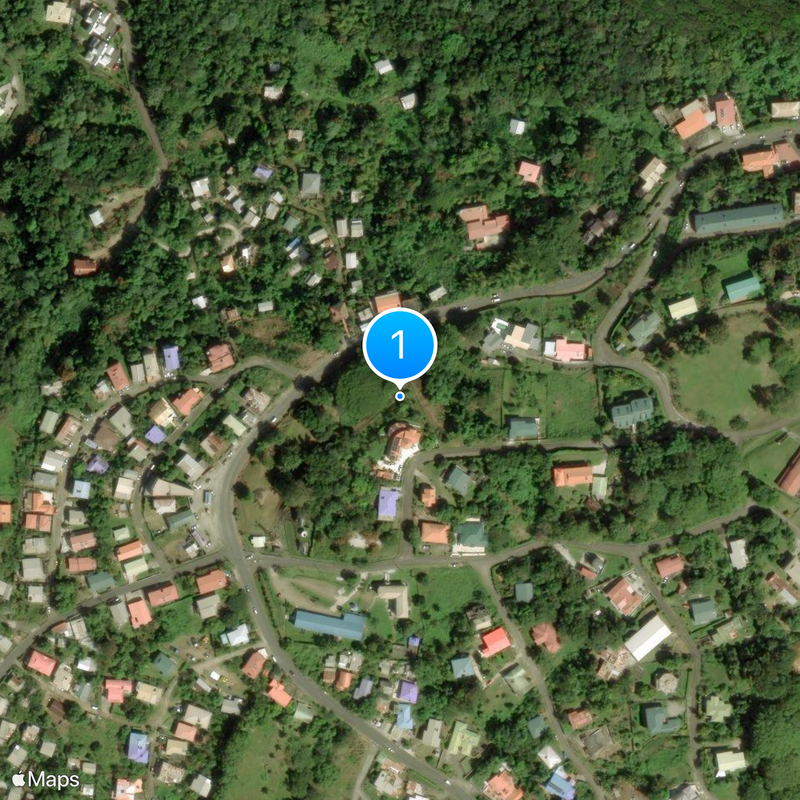
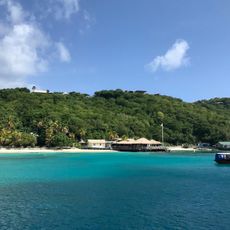
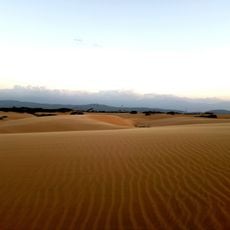
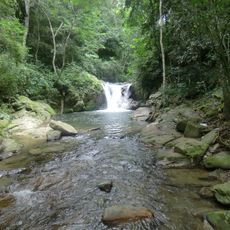
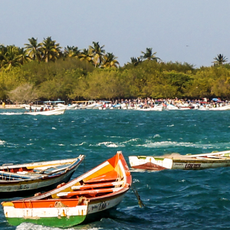
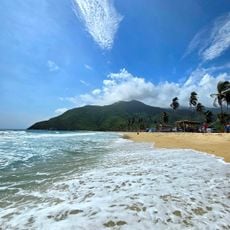
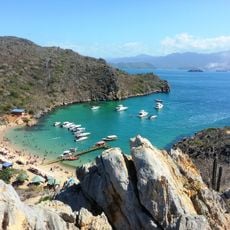
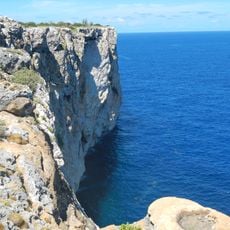
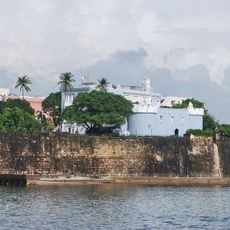
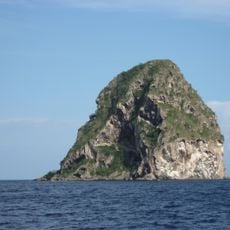
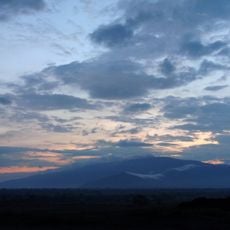
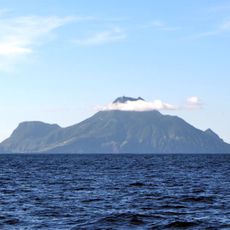
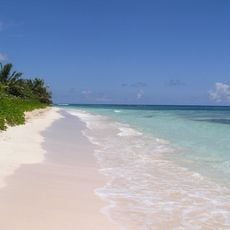
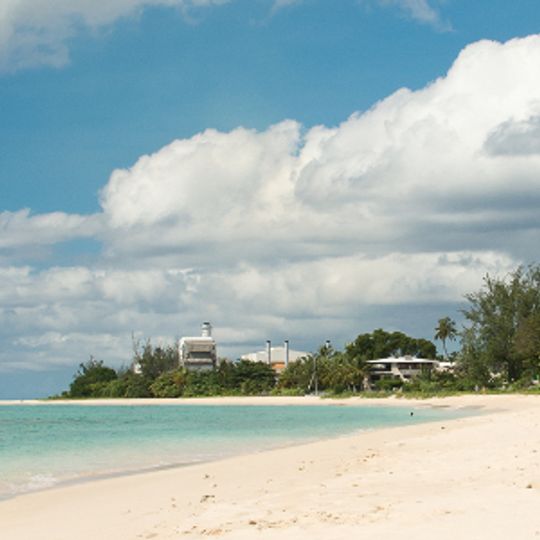
The Lesser Antilles consists of an arc of islands extending from the Virgin Islands to Trinidad, forming a natural boundary between the Caribbean Sea and the Atlantic Ocean. This group includes both larger inhabited islands and smaller uninhabited landmasses scattered over hundreds of kilometers, revealing varied terrain of mountains, coastlines, and tropical vegetation.
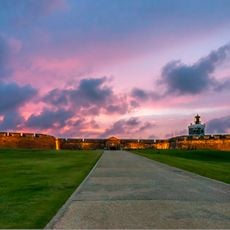
European nations such as France, Britain, and the Netherlands established colonial settlements on these islands during the 16th and 17th centuries, creating strategic trade posts. Over the following centuries, the islands were repeatedly contested and exchanged between colonial powers, shaping the political divisions seen today.
Residents celebrate local festivals throughout the year, where drumming, dancing, and Creole food blend together in public gatherings open to everyone. In villages and markets, you can still witness traditional crafts and music passed down through generations.
Regular ferry services connect several islands, allowing visitors to explore different territories and experience varied Caribbean environments. The best time to visit falls between December and May, when weather conditions are calmer and crossings are more comfortable.
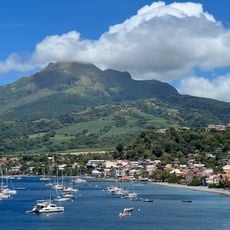
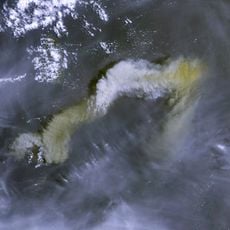
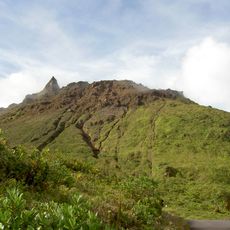
The islands contain both active and dormant volcanoes, with Mount Pelée in Martinique reaching 1,397 meters (about 4,583 feet) above sea level. Some of the smaller islands remain uninhabited to this day, serving as protected areas for sea turtles and rare bird species.
The community of curious travelers
AroundUs brings together thousands of curated places, local tips, and hidden gems, enriched daily by 92,810 contributors worldwide.