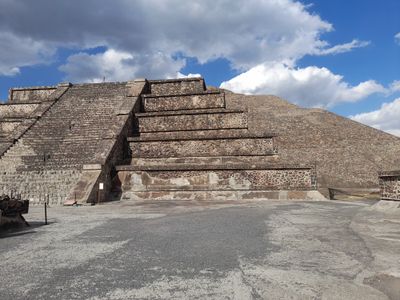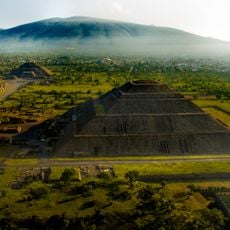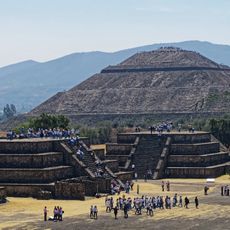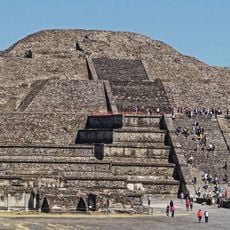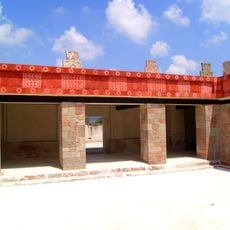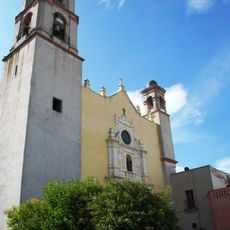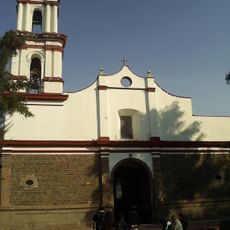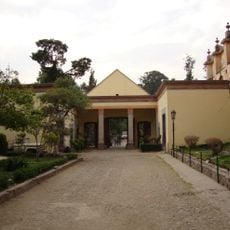
Pyramids of Teotihuacan, Archaeological museum in San Juan Teotihuacan, Mexico
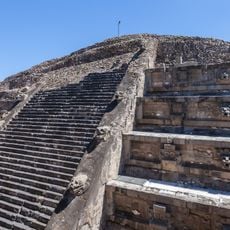
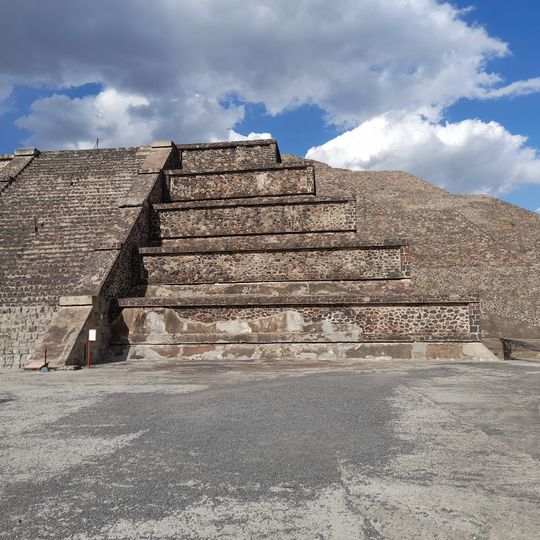
The Pyramids of Teotihuacan sit about 30 miles (50 kilometers) northeast of Mexico City and form one of the largest archaeological sites in Mesoamerica. The complex includes two monumental step pyramids made from volcanic stone, numerous temple ruins, and an extensive grid of residential compounds arranged along a straight processional avenue.
The city was probably founded in the first century before the Common Era and grew into a powerful trade center exporting obsidian and ceramics across much of Mesoamerica. Around the middle of the seventh century, the inhabitants abandoned the site for reasons still unclear, with fires and destruction pointing to a violent collapse.
The word Teotihuacan means the place where the gods were born in the Nahuatl language, a name the Aztecs gave to the abandoned city centuries after its decline. Today, visitors walk along the main avenue and observe the stone platforms where religious ceremonies once unfolded before thousands of spectators.
The site is expansive and requires several hours of walking under direct sun, so comfortable shoes and plenty of water are recommended. Anyone planning to climb either of the main pyramids should be prepared for steep and sometimes uneven steps that demand steady footing.
An underground passageway runs directly beneath the Temple of the Feathered Serpent and contains chambers filled with offerings, pyrite mirrors, and human remains from ritual acts. Archaeologists also discovered traces of liquid mercury there, possibly representing a symbolic river or lake in the underworld.
The community of curious travelers
AroundUs brings together thousands of curated places, local tips, and hidden gems, enriched daily by 60,000 contributors worldwide.