Lion of Nectanebo
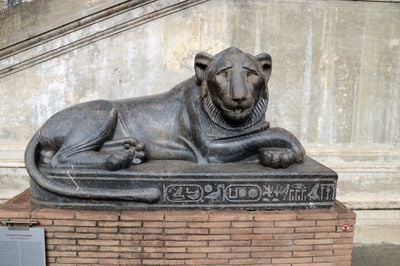
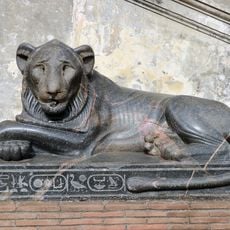
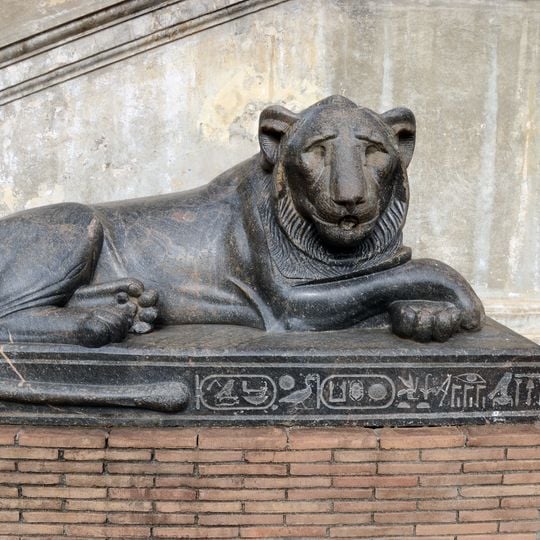
The Lion of Nectanebo is an ancient Egyptian stone sculpture showing the head of a lion, now housed in the Vatican Museums collection. The work displays a broad lion's face with a calm expression and demonstrates the craftsmanship of ancient Egyptian sculptors.
This sculpture was created during the reign of Pharaoh Nectanebo I, an ancient Egyptian ruler. The work later traveled to Rome and was eventually incorporated into the Vatican collection, where it remains preserved.
The Lion of Nectanebo comes from ancient Egypt, where lions symbolized power and divine protection. The sculpture demonstrates Egyptian artisans' skill with stone and conveys authority and stability through its calm presence.
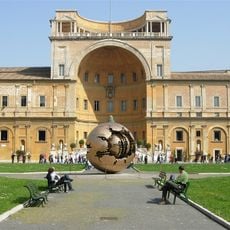
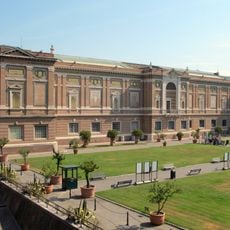
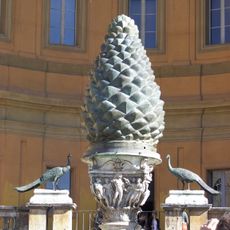
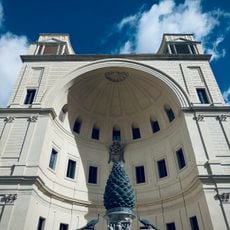
The sculpture is located in the Cortile della Pigna courtyard of the Vatican Museums, a quiet shaded space with high walls. Visitors can take time there to admire ancient artworks in an open-air setting.
The sculpture was originally part of a pair and may have stood in an Egyptian temple or palace complex before being brought to Rome. Its dark surface carved from hard stone bears traces of age and weathering, marking the signs of its long journey through history.
The community of curious travelers
AroundUs brings together thousands of curated places, local tips, and hidden gems, enriched daily by 60,000 contributors worldwide.