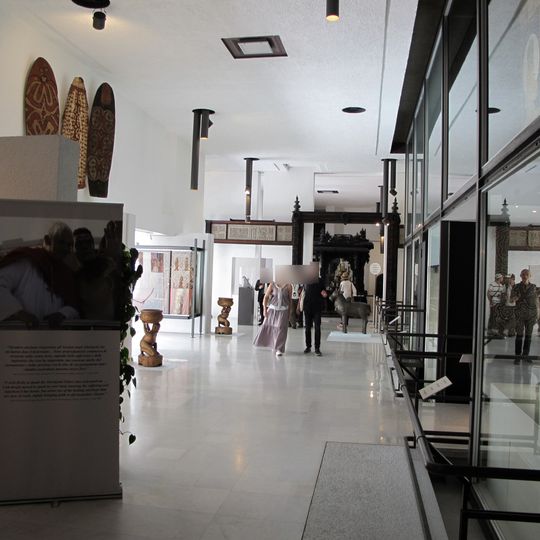
Anima Mundi, Ethnographic museum in Vatican Museums, Vatican City
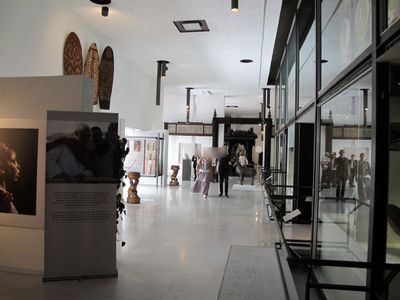
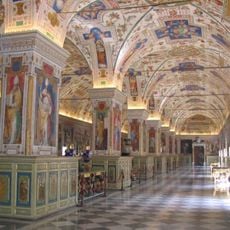
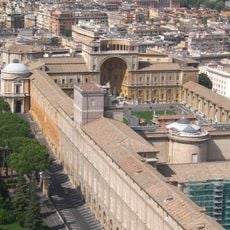
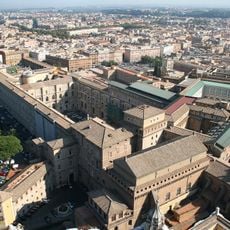
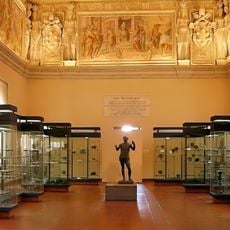
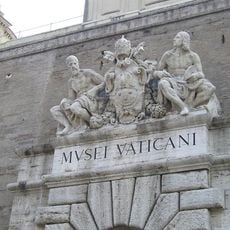
Anima Mundi occupies galleries in the Vatican Museums redesigned between 2018 and 2020 by Studio Adrien Gardère and inaugurated by Pope Francis in October 2019. Its showcases hold more than 80,000 objects, from prehistoric pieces over two million years old to works from Africa, the Americas, Asia, Oceania and Australia, arranged by geographic area and rotated for conservation.
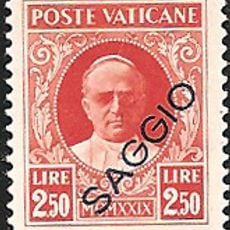
The museum traces its origins to a large 1925 exhibition organized by Pope Pius XI, which brought together objects from communities around the world. That event laid the foundation for what eventually became a permanent collection open to the public.
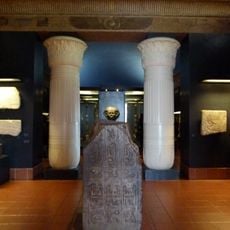
The galleries display objects from Asia, Africa, and the Americas that were once used in daily life or religious ceremonies. Many come from communities where similar traditions are still alive today, making the display feel connected to the present rather than just the past.
Entry to the Vatican Museums covers this section as well, so no separate ticket is needed. Visiting early in the morning or later in the afternoon tends to mean fewer crowds and more time to look at each object closely.
Some of the oldest objects in the collection date back more than 2 million years, making them among the most ancient items held in any Vatican museum. Because these pieces are so fragile, the museum rotates what is on display, so the rooms can look different from one visit to the next.
The community of curious travelers
AroundUs brings together thousands of curated places, local tips, and hidden gems, enriched daily by 92,875 contributors worldwide.