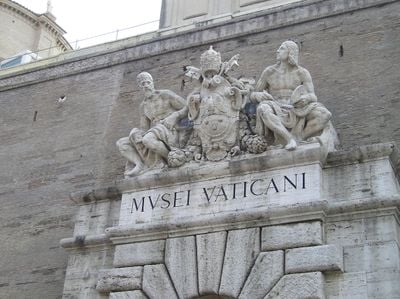
Gregoriano Profano Museum, Archaeological museum in Vatican City
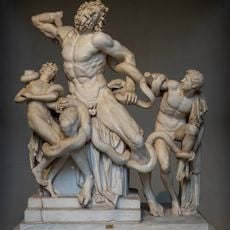
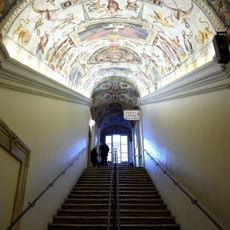
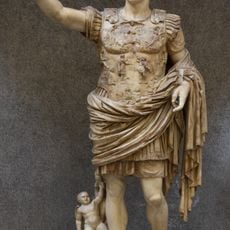
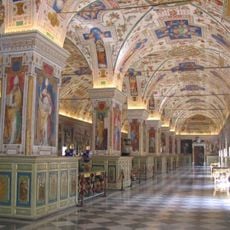
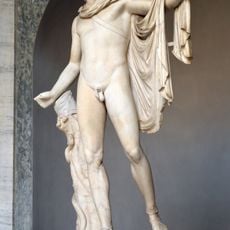
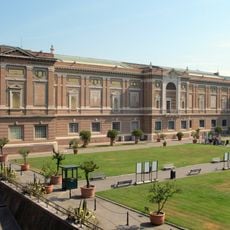
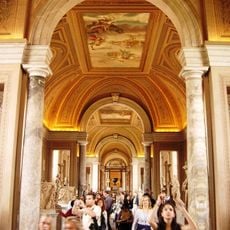
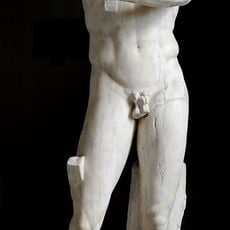
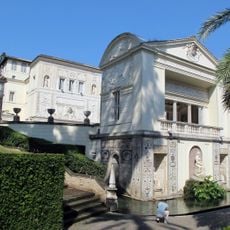
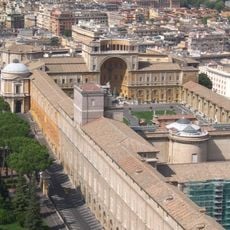
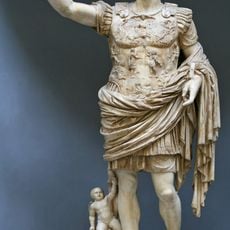
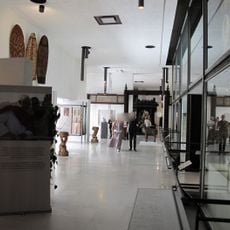
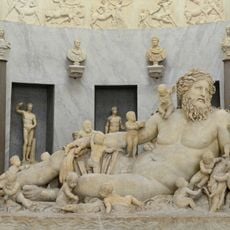
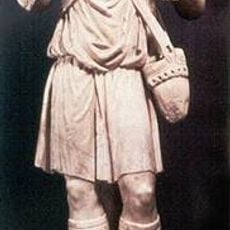
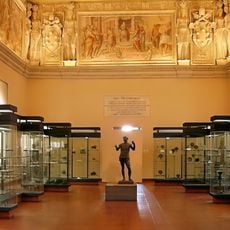
The Gregoriano Profano Museum occupies a building opened in 1970 beside the Vatican Pinacoteca, holding the antiquities once kept in the Lateran Palace. Its five sections run from Greek sculpture fragments of the 5th–4th centuries BC to Roman copies, imperial portraits, altars and a gallery of sarcophagi arranged by theme. Look for the Roman replica of Myron's Athena and Marsyas and the Sophocles portrait.
Founded by Pope Gregory XVI in 1844 in the Lateran Palace, the museum was first called the Museum of Religious Art and Pagan Culture. Pope John XXIII ordered its transfer to the Vatican in 1963, and a new building beside the Pinacoteca opened to the public in 1970. Its core holdings come from excavations and finds made in the Papal States.
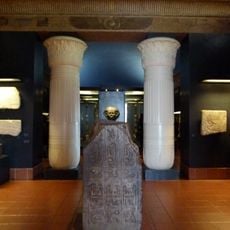
The name distinguishes it from the Gregorian museums of religious art: this is the Museo Gregoriano Profano, the "profane" or secular collection. Its core is the Jewish lapidary section, 137 Greek and Latin inscriptions on funerary slabs from the Monteverde catacomb, found in 1602 and excavated in 1904-1906, dating from the 1st to 3rd centuries AD.
A visit requires appropriate dress code and advance reservations are recommended especially from March through October when many tourists arrive. The museum is part of the larger Vatican Museums complex, so visitors should expect longer wait times and plan for adequate time.
The Jewish lapidary section holds 137 Greek and Latin inscriptions on funerary slabs from the Monteverde catacomb, discovered in 1602 but only explored in 1904-1906; the pieces date from the 1st to 3rd centuries AD.
The community of curious travelers
AroundUs brings together thousands of curated places, local tips, and hidden gems, enriched daily by 94,068 contributors worldwide.