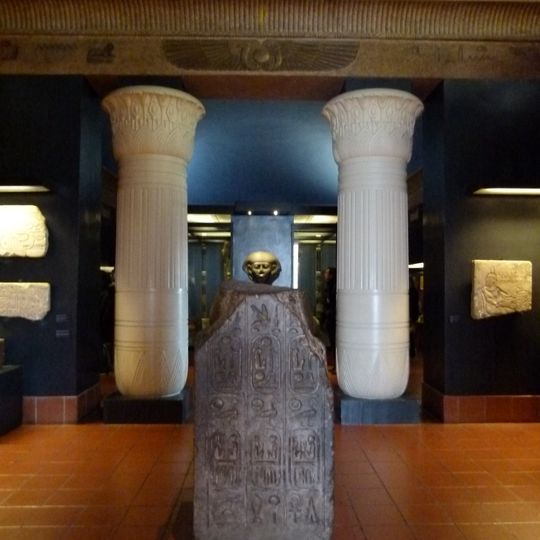
Gregorian Egyptian Museum, History museum in Vatican Museums, Vatican City
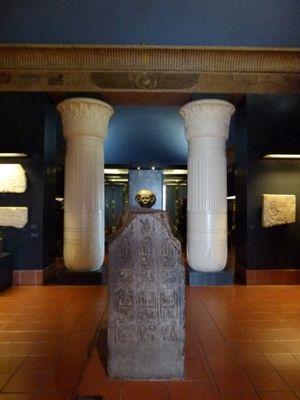
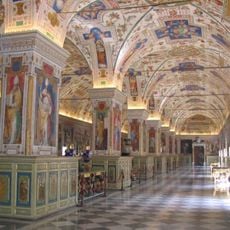
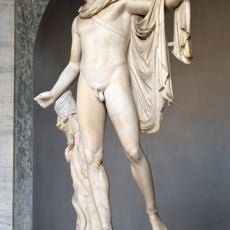
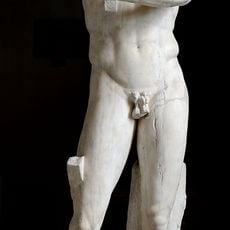
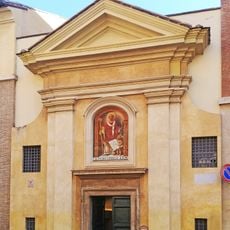
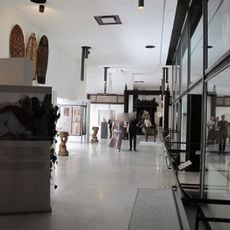
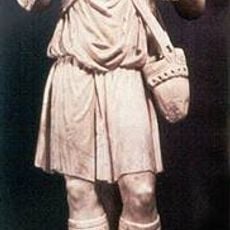
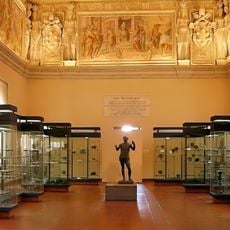
The Gregorian Egyptian Museum is a history museum within the Vatican Museums in Vatican City, dedicated to ancient Egyptian artifacts. It spans nine rooms arranged in a semicircle, displaying statues, mummies, sarcophagi, papyri, and other objects from ancient Egypt.
Pope Gregory XVI founded this museum in 1839, giving it his name, and entrusted Father Luigi Ungarelli with organizing the first collection. Over the following decades, the holdings grew as pieces from the Lateran and other papal collections were added.
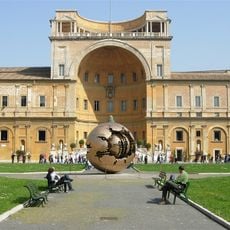
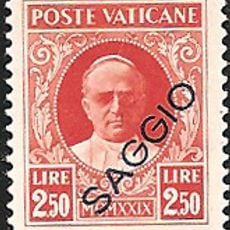
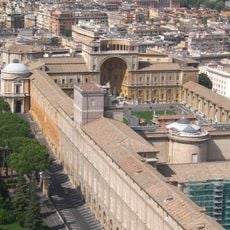
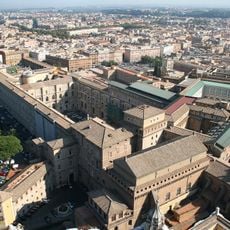
The museum's name honours Gregory XVI, who inaugurated it on 2 February 1839, the anniversary of his election. Its core came from Pius VII's small collection of Egyptian antiquities, enlarged by Gregory's purchases and installed in the Belvedere's Little Palace in a setting evoking ancient Egypt. Room IV shows copies carved in Italy under the empire for temples around Rome.
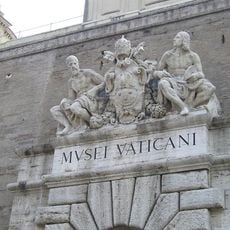
Entry is through the Vatican Museums ticket, which covers all collections including this one. Visiting in the morning tends to be more comfortable, as the busiest areas of the complex fill up as the day goes on.
Among the objects on display is a group of canopic jars, the containers used to store embalmed organs of the deceased. Some of these jars are still fully sealed, meaning their contents have never been examined.
The community of curious travelers
AroundUs brings together thousands of curated places, local tips, and hidden gems, enriched daily by 92,821 contributors worldwide.