Gregorian Etruscan Museum, Archaeological museum in Belvedere Villa, Vatican City.
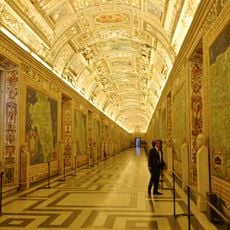
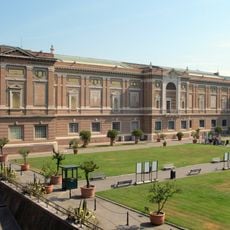
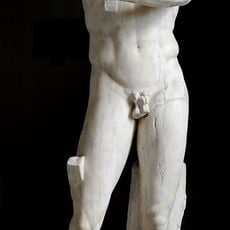
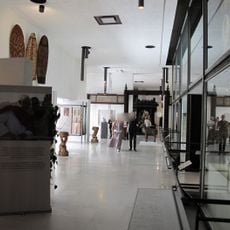
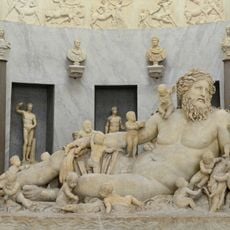
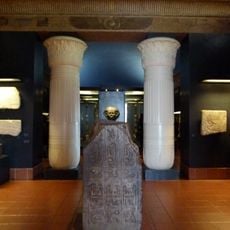
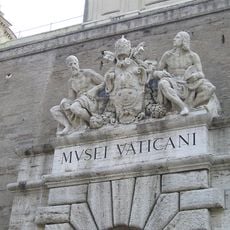
The Gregorian Etruscan Museum is an archaeological collection in the Belvedere Villa in Vatican City, with twenty-two exhibition rooms displaying artifacts from southern Etruria. The objects date from the ninth to the first century BC and provide a comprehensive overview of the material culture from this ancient civilization.
Pope Gregory XVI founded the museum in 1836 to hold finds from excavations in Etruria, then part of the Papal States; it opened in 1837. Most pieces came from the 1836–1837 digs in the Sorbo necropolis near Cerveteri, notably the Regolini-Galassi tomb. After the Papal States fell, acquisitions came by purchase and gift, such as the Falcioni collection in 1898.
The collection displays bronze objects, glass pieces, and terracotta items that reveal how Etruscan society transformed over centuries of development. Visitors see these artifacts and understand how craftsmanship and artistic skills evolved in this ancient civilization.
Visitors can reach this museum through the Vatican Museums complex and explore it from Monday to Saturday. It helps to wear comfortable shoes, as the exhibition rooms are spread across different levels and require considerable walking.
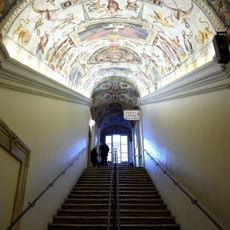
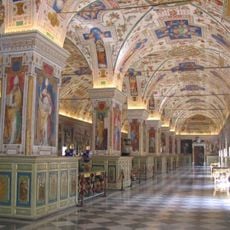
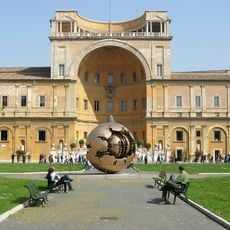
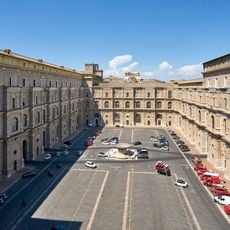
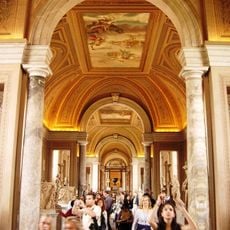
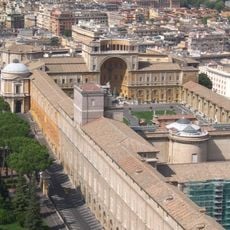
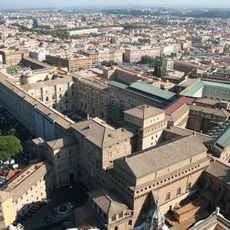
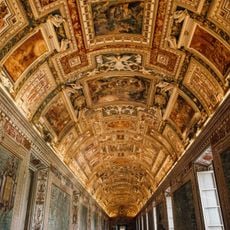
The museum occupies the Palazzetto di Innocenzo VIII, built at the end of the 15th century, and a 16th-century building; some rooms keep frescoes by Federico Barocci, Federico Zuccari and Pomarancio. Room XII still preserves painted decoration from the time of Pope Julius II. The collection grew through purchases and gifts, including the Falcioni collection bought by Leo XIII in May 1898 and the Guglielmi collections of 1935 and 1987.
The community of curious travelers
AroundUs brings together thousands of curated places, local tips, and hidden gems, enriched daily by 94,042 contributors worldwide.