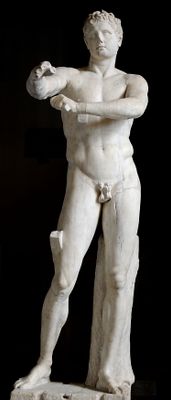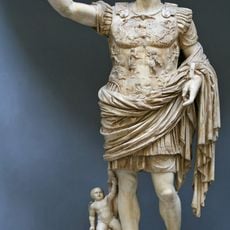
Apoxyomenos Pio-Clementino, Ancient Greek athletic sculpture in Vatican Museums, Italy
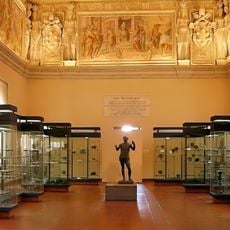
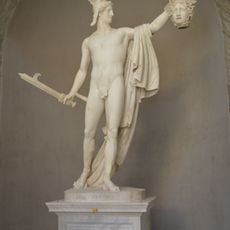
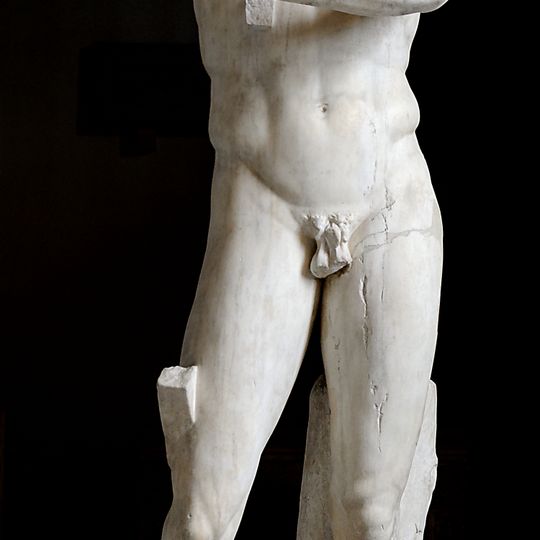
The Apoxyomenos Pio-Clementino is a marble sculpture showing a Greek athlete using a curved scraping tool called a strigil to remove oil and dirt from his skin. The figure stands in a relaxed position with arms extended forward, capturing a simple moment from daily athletic life in antiquity.
The original work was created around 330 BCE by sculptor Lysippus, and what survives today is a Roman copy. This copy reflects the shift from stricter Classical Greek forms toward the more natural, movement-focused style of the Hellenistic period.
The statue shows daily routines from ancient Greece, where athletes scraped oil and dust from their skin after training. This everyday moment reveals how people cared for their bodies and valued physical fitness in their culture.
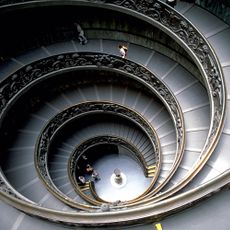
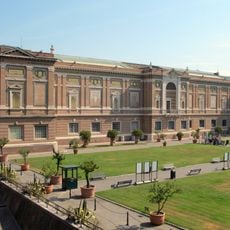
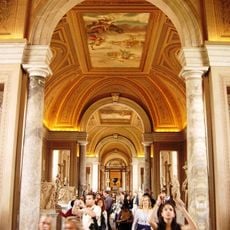
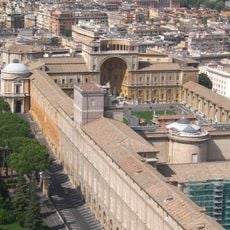
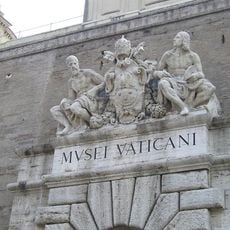
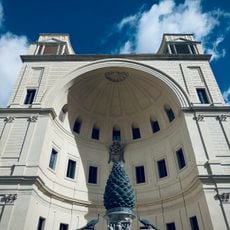
The sculpture is housed in the Vatican Museums and requires a museum visit to view it as part of the larger art collection. Visiting early in the morning or later in the afternoon helps you see the details more clearly with fewer crowds around.
The figure is shown not in a triumphant or heroic pose, but in a quiet, private moment of self-care. This was a bold departure from how athletes were typically shown in ancient art, which usually emphasized their victories or power.
The community of curious travelers
AroundUs brings together thousands of curated places, local tips, and hidden gems, enriched daily by 91,465 contributors worldwide.