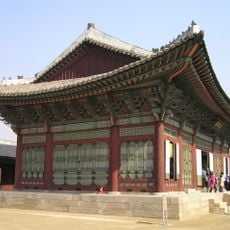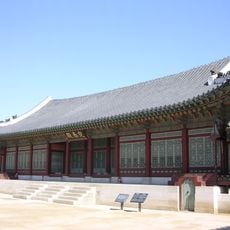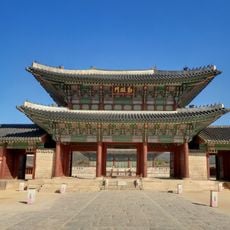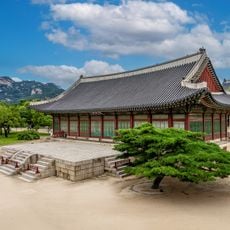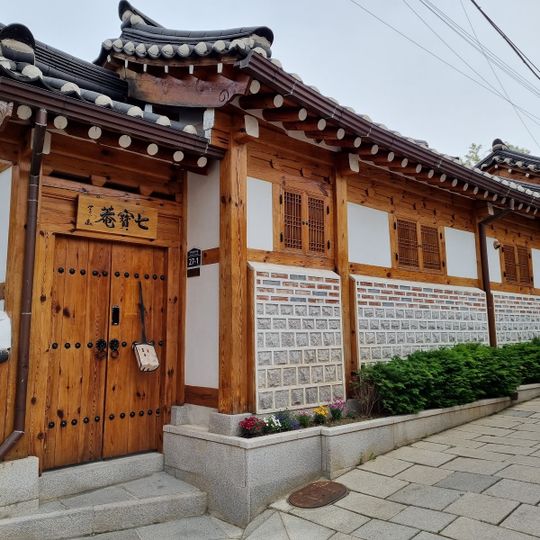
Seochon Hanok Village, Hanok village in Jongno-gu, Seoul, South Korea
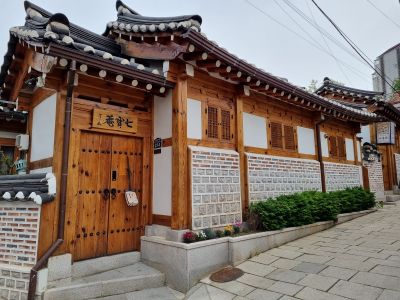
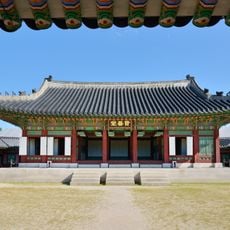
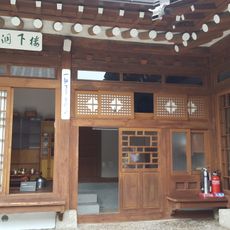
Seochon Hanok Village is a neighborhood in Jongno-gu, Seoul, where traditional Korean houses called hanok are clustered. The area stretches from Pirundae-ro to Jahamun-ro and contains hundreds of these houses, many built during the Japanese colonial period and still in use today.
During the Joseon Dynasty, this area was home to middle-class professionals such as interpreters and physicians. In the 20th century, many urban-style hanok were built during the Japanese colonial period, and since the 1970s, various regulations have shaped the district, including height limits and preservation efforts.
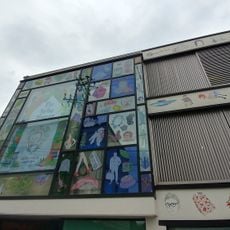
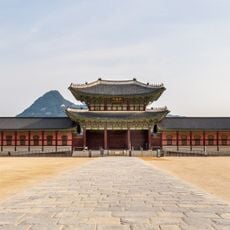
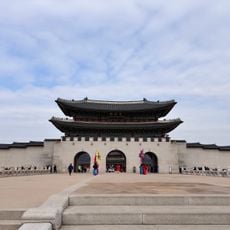
The name Seochon means "West Village," referring to its location west of Gyeongbokgung Palace. Today, the neighborhood mixes old shops and hanok houses with new cafes and pop-up stores, giving it a lived-in feel where locals and visitors share the same narrow streets.
The village is easily reached on foot from Gyeongbokgung Station on Line 3, exit 2. Walking through the alleys is the best way to explore, and you can combine a visit with a stop at Tongin Market nearby.
The village is home to Sangchonjae, the former residence of poet Yi Sang, and the Park No-soo Art Museum, both open to visitors. These spots offer a peek into the creative lives that have shaped the neighborhood.
The community of curious travelers
AroundUs brings together thousands of curated places, local tips, and hidden gems, enriched daily by 95,785 contributors worldwide.