Pannonian Basin, Sedimentary plain in Central Europe.
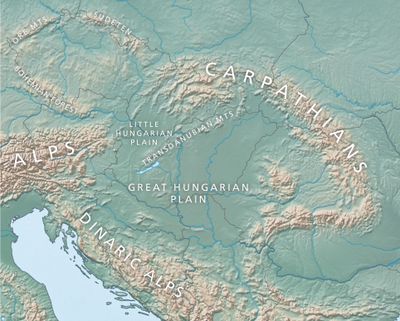
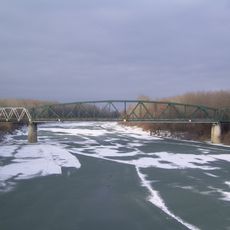
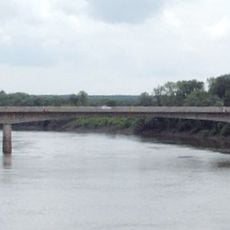
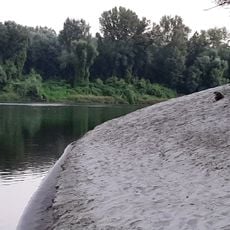
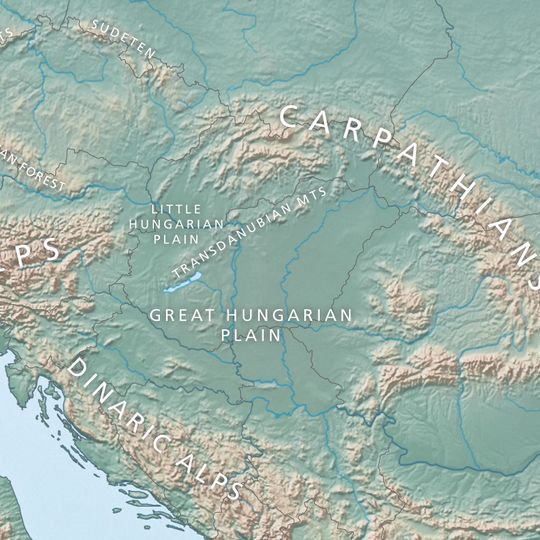
The Pannonian Basin is a wide plain in Central Europe that extends across several countries and is framed by mountain ranges including the Carpathians and the Transylvanian Plateau. The Danube and Tisza rivers cross the area and divide it into gently rolling landscapes with fertile soil.
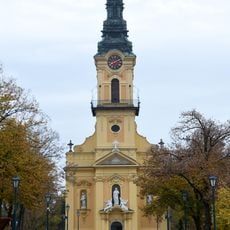
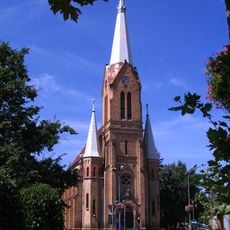
The area formed after the retreat of the Pannonian Sea several million years ago, when sediment layers shaped the present landscape. Later, Celtic, Roman, Slavic and Magyar groups settled in succession, founding cities like Budapest and Belgrade.
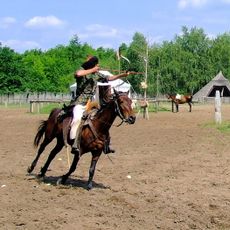
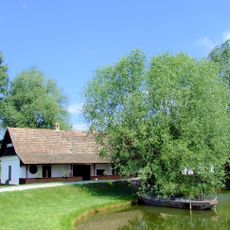
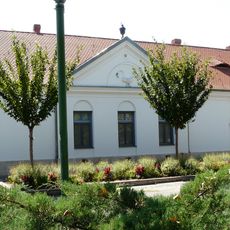
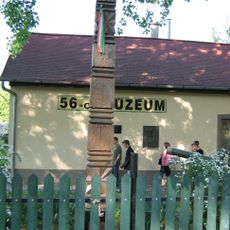
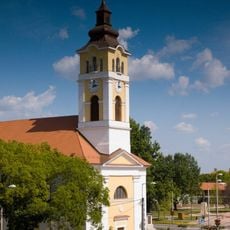
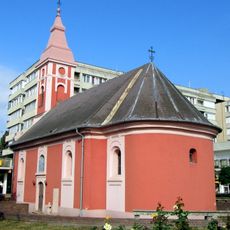
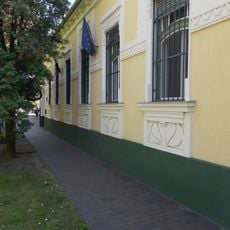
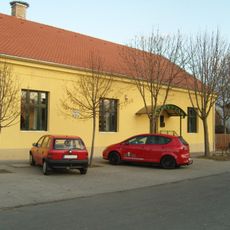
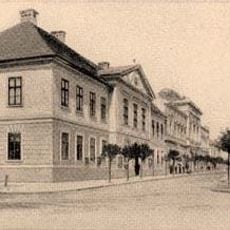
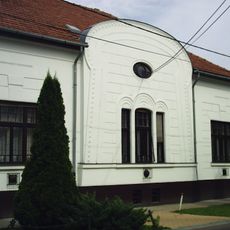
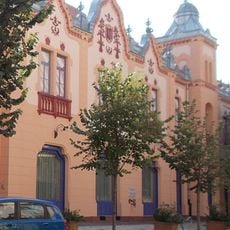
The name comes from the Roman province of Pannonia, which covered much of the basin and left traces still visible in ruins and place names. Many villages preserve traditional building styles with low roofs and wide courtyards that suit the open terrain.
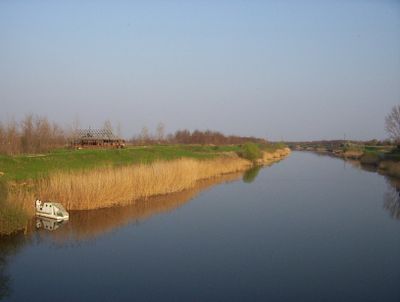
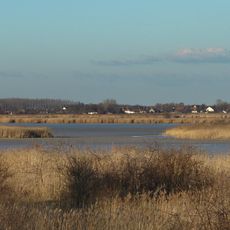
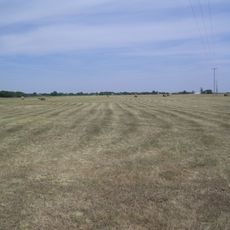
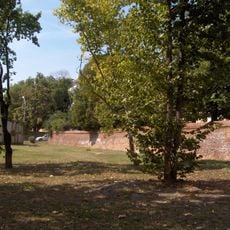
Wide fields and flat hills shape the landscape and allow for long walks and bike rides without steep climbs. Most paths are easy to navigate and offer clear views across the open terrain.
Hot springs emerge at many spots and supply baths and thermal pools across the region. Some of these springs lie in the middle of fields and are surrounded by small wooden huts.
The community of curious travelers
AroundUs brings together thousands of curated places, local tips, and hidden gems, enriched daily by 60,000 contributors worldwide.