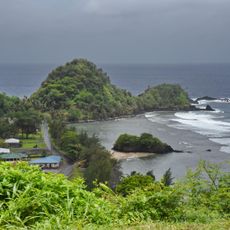
Taʻū, Volcanic island in Manu'a District, US
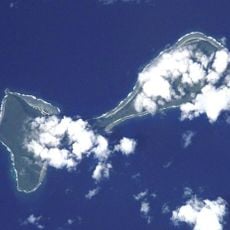
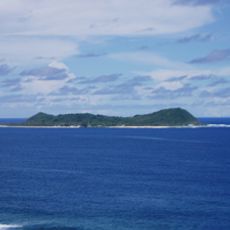
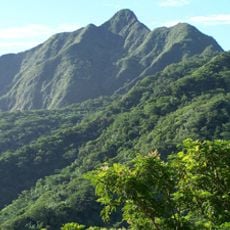
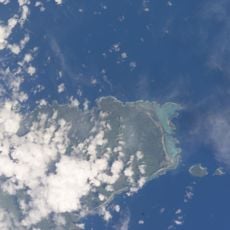
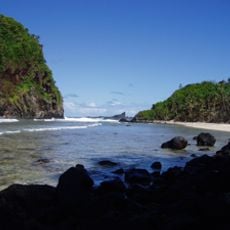
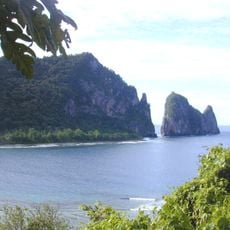
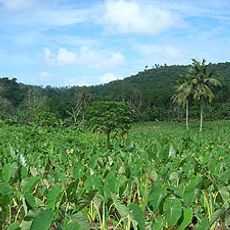
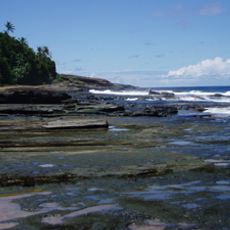
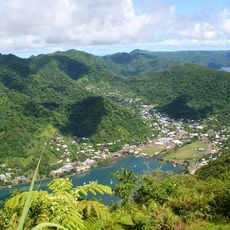
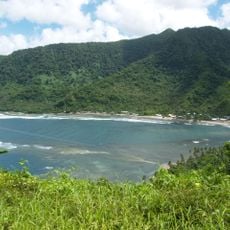
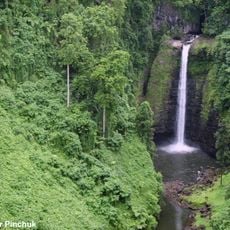
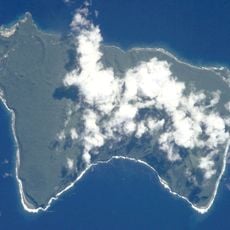
Taʻū is a volcanic island in the Manu'a District whose summit reaches 784 meters above sea level, surrounded by steep coastal cliffs and volcanic peaks. Dense tropical forest covers the slopes throughout the island.
The island was the center of the Tui Manu'a Empire from around the 10th century until the early 1900s, when its control over neighboring territories in Tonga and Fiji declined. European influence in the region brought changes to this traditional power structure.
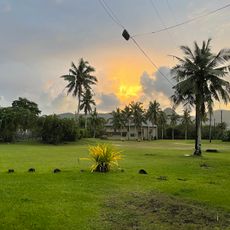
The island remains central to Samoan identity and serves as a spiritual and social anchor for its communities. Daily life here is shaped by traditional customs and practices that connect residents to their ancestors and land.
The island has an airport in Fitiʻuta on its northeast side that connects to other parts of American Samoa. Visitors should wear sturdy shoes because the mountainous terrain requires considerable walking.
Since 2016, the island runs on almost entirely solar power through panels and battery storage systems that supply electricity across the entire island. This energy system makes it one of the Pacific's notable examples of renewable energy in action.
The community of curious travelers
AroundUs brings together thousands of curated places, local tips, and hidden gems, enriched daily by 60,000 contributors worldwide.