Historic Moravian Bethlehem Historic District, National Historic Landmark District in Bethlehem, United States
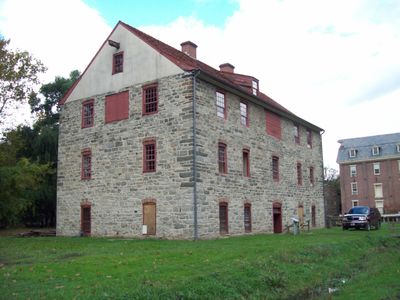
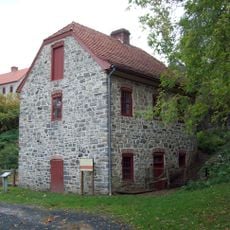
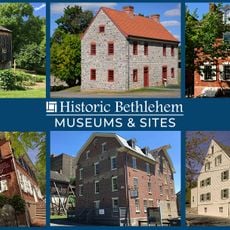
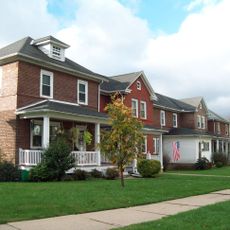
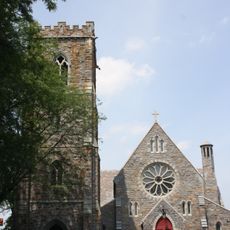
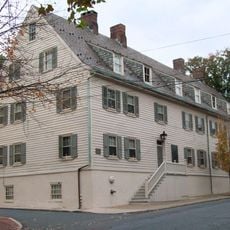
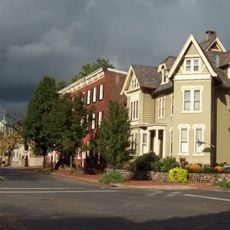
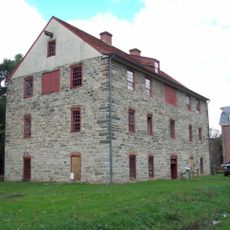
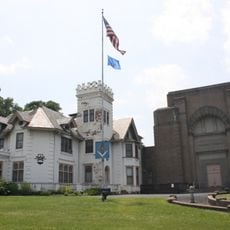
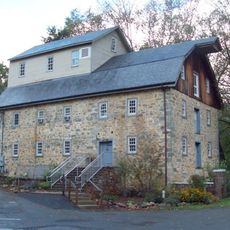
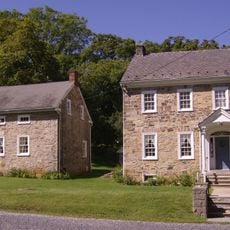
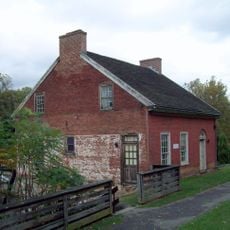
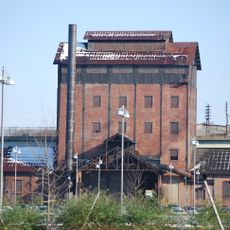
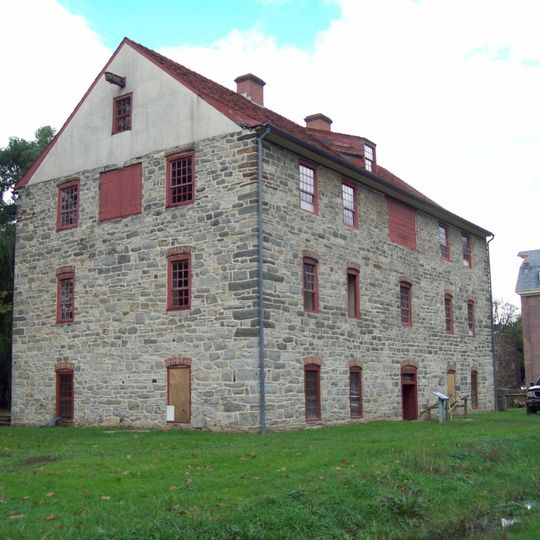
Historic Moravian Bethlehem Historic District is a preserved 18th-century settlement with multiple stone buildings and historical ruins spread across a central location downtown. The site contains several houses including the 1752 Apothecary, a historic mill, and a large cemetery with orderly burial rows.
The settlement was founded in 1741 by Moravian pilgrims who established a spiritual community model reflected in how the buildings were arranged. The district grew into an important religious and economic center in Pennsylvania and kept its historical character across centuries.
God's Acre cemetery reflects how the Moravian community valued equality, with all members buried the same way regardless of social rank. Walking through the grounds, you notice rows of identical simple stones that embody this principle of shared dignity.
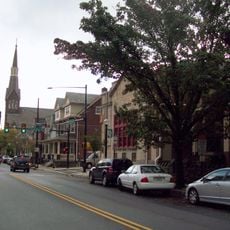
The area spreads across several city blocks downtown and can be explored on foot, with most structures visible from various street viewpoints. You can move through the grounds at your own pace and visit multiple buildings, with some interpreted through museum staff or information signs.
The site is part of an international UNESCO nomination that also includes Moravian settlements in Germany and Northern Ireland, showing how this religious group established similar communities across continents. This global connection highlights that the place did not develop in isolation but was part of a larger network of believers spreading a particular way of life.
The community of curious travelers
AroundUs brings together thousands of curated places, local tips, and hidden gems, enriched daily by 91,279 contributors worldwide.