Dark Energy Spectroscopic Instrument, Scientific spectrometer at Kitt Peak National Observatory, Arizona
The Dark Energy Spectroscopic Instrument is an advanced spectrometer located at Kitt Peak National Observatory in Arizona, equipped with 5000 optical fibers and ten spectrographs. These components work together to capture and analyze light from distant galaxies across the sky.
Construction of this spectrometer began in mid-2016 and achieved first light observations in October 2019 at Kitt Peak. Since then it has continuously mapped the universe, contributing to our understanding of cosmic expansion.
The name DESI stands for Dark Energy Spectroscopic Instrument, and its 600-person international collaboration is led by director Michael E. Levi, with co-spokespersons Alexie Leauthaud and another colleague. Funding came from the U.S. Department of Energy's Office of Science plus non-federal sources such as the Gordon and Betty Moore Foundation and Spain's Ministry of Science and Innovation.
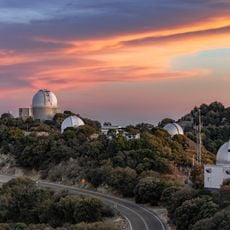
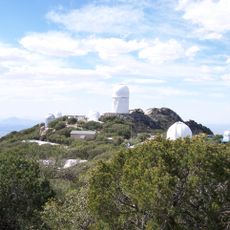
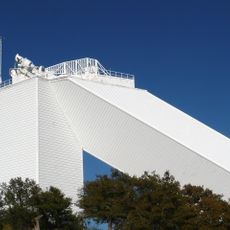
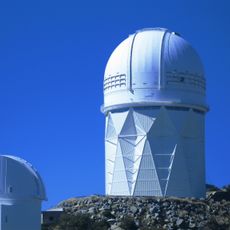
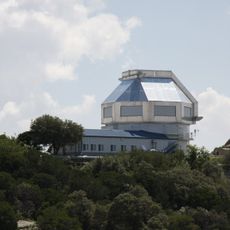
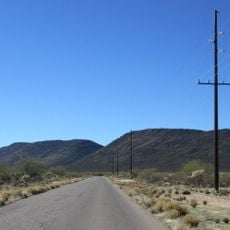
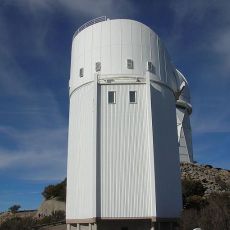
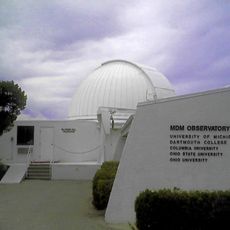
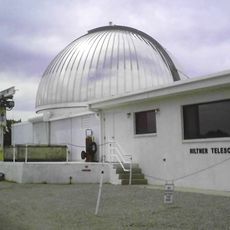
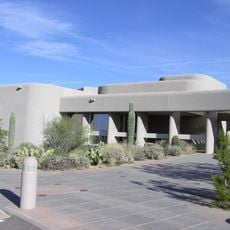
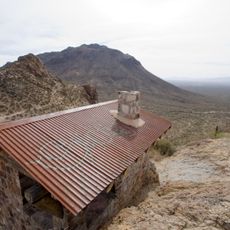
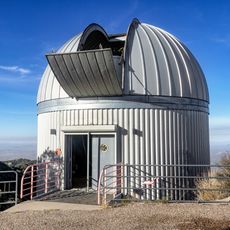
DESI sits at 6,880 feet (2,100 m) on Kitt Peak, 55 miles (89 km) from Tucson, Arizona, retrofitted onto the 4-meter Mayall Telescope. It is an operating research instrument, not a visitor attraction, so access follows observatory arrangements rather than a public tour route. The site is reached by a mountain road, and the instrument itself is inside the telescope enclosure.
The focal plane holds 5,000 robotic fiber positioners on a 10.4 mm pitch, and the whole assembly can be reconfigured for the next exposure in under two minutes while the telescope slews to a new field. Each exposure records 5,000 spectra at once between 360 and 980 nm.
The community of curious travelers
AroundUs brings together thousands of curated places, local tips, and hidden gems, enriched daily by 92,640 contributors worldwide.