Thunder Ridge Wilderness, Wilderness area in Blue Ridge Mountains, Virginia, US
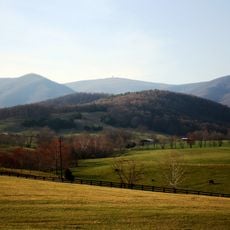
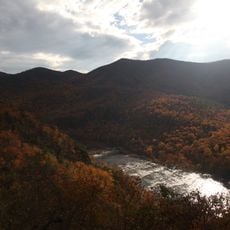
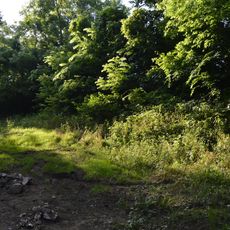
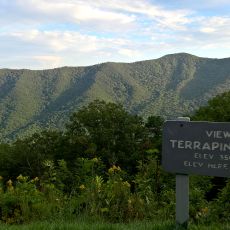
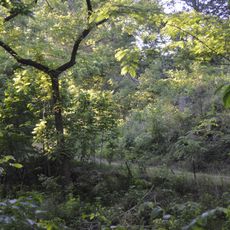
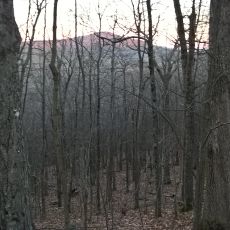
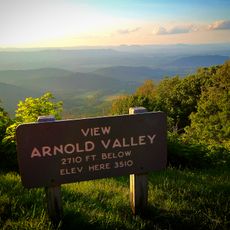
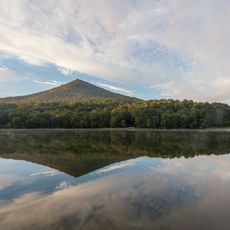
Thunder Ridge Wilderness covers 2,344 acres in the Jefferson National Forest, dominated by Thunder Ridge, whose steep northern slopes rise above Arnold Valley. Elevations run from 1,320 feet in the northwest lowlands to 4,200 feet on Apple Orchard Mountain. The peaks belong to the Pedlar Formation, granite and gneiss that weather into rich soil supporting tall trees and large stands of laurel and rhododendron.
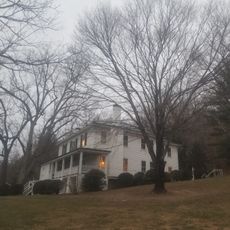
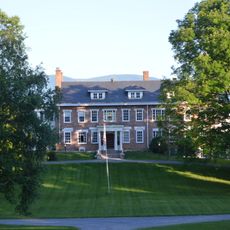
Congress protected the 2,344-acre area under the Eastern Wilderness Act, adding it to the National Wilderness Preservation System. Just south of the boundary, Apple Orchard Camp housed guests in the early 1900s and became Camp Kewanzee, a boys' and girls' summer camp, in 1924. During the Cold War a radar tracking station with a computer complex operated nearby until the base closed in 1975, leaving one radar dome visible from afar.
Apple Orchard Camp, just south of the wilderness on Apple Orchard Mountain, offered overnight lodging in the early 1900s and in 1924 became Camp Kewanzee, a summer camp for boys and girls. During the Cold War a radar tracking station operated nearby, with a computer complex built in the 1960s; the base closed in 1975, leaving a single radar dome visible from far off.
Visitors can reach this area through several parking areas along the Blue Ridge Parkway and via Forest Service roads that provide good access points. Spring through fall offers the most favorable hiking conditions with stable weather and clear views from the ridges.
The area supports numerous salamander species that thrive in its moist forests and mountain streams. These small amphibians are an important sign of the region's ecological health and biodiversity.
The community of curious travelers
AroundUs brings together thousands of curated places, local tips, and hidden gems, enriched daily by 92,997 contributors worldwide.