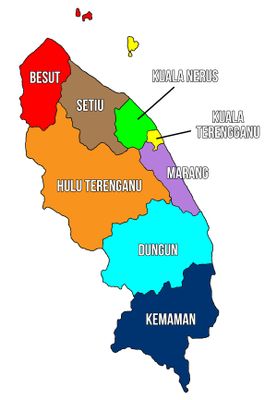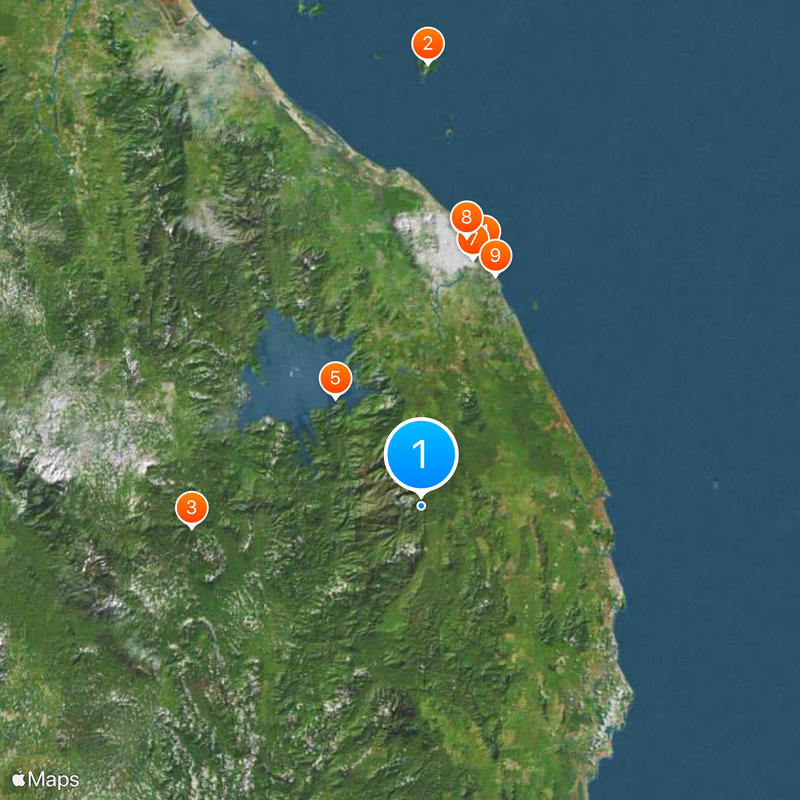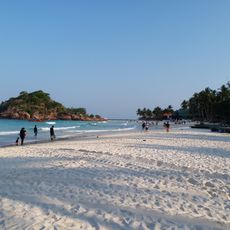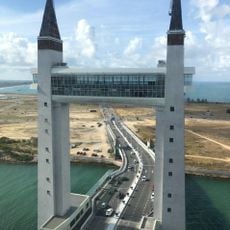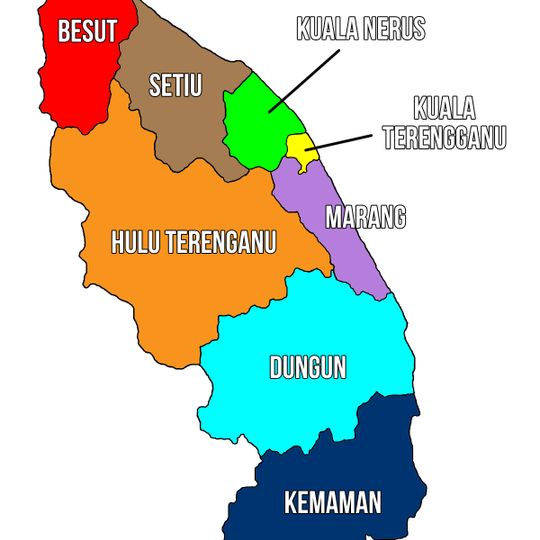
Terengganu, State on east coast of Peninsular Malaysia
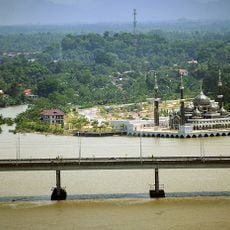
Terengganu is a state on the eastern side of Peninsular Malaysia, running for more than 300 kilometers along the South China Sea. Mountain ridges inland separate forested highlands from coastal plains, while numerous rivers flow through the land and link small settlements.
The area belonged to the Javanese sphere of influence during the 14th century and evolved into an independent sultanate in the early 18th century. The rule of Tun Zainal Abidin from 1724 marked the beginning of autonomy from neighboring powers.
The name comes from the Malay word terang, meaning bright, and reflects the traditions of coastal communities that have shaped the region for centuries. Workshops across villages still produce batik and songket textiles, where artisans weave patterns with gold threads and natural dyes by hand.
The monsoon brings heavy rainfall from November to February, flooding many roads and making remote areas hard to reach. Travelers should avoid these months and favor the drier periods between March and October instead.
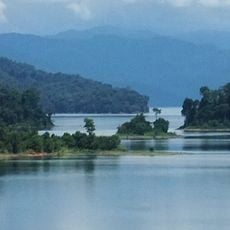
Lake Kenyir appeared in the 1980s after the construction of Sultan Mahmud Power Station and now covers an area of over 260 square kilometers (100 square miles). The reservoir spreads across a former forest zone and forms the largest man-made body of water in Southeast Asia today.
The community of curious travelers
AroundUs brings together thousands of curated places, local tips, and hidden gems, enriched daily by 91,681 contributors worldwide.