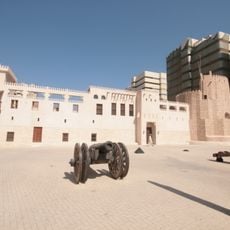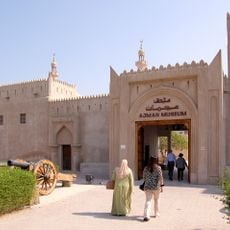
Abu Musa Island, Strategic island in the eastern Persian Gulf, Iran
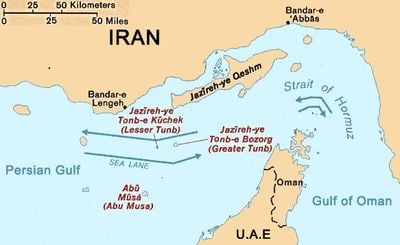
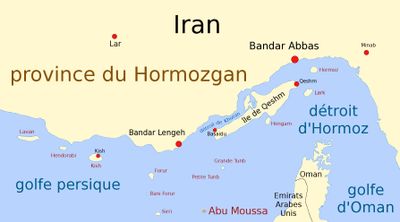
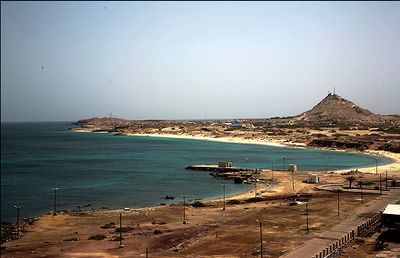
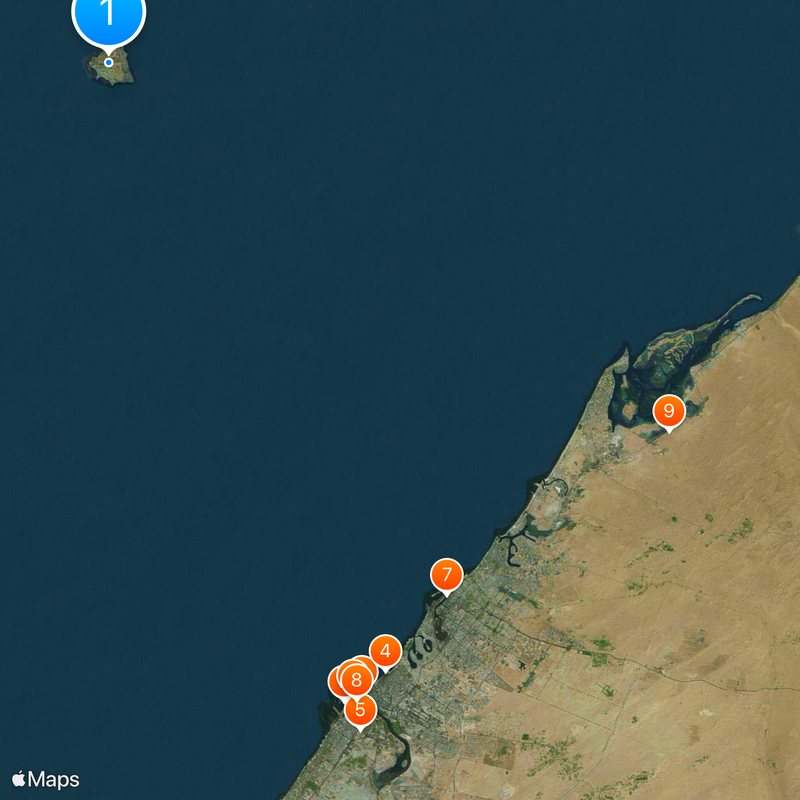
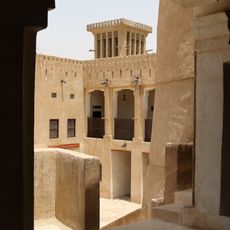
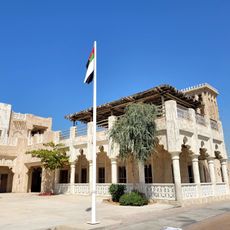
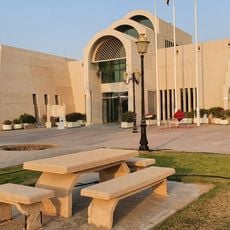
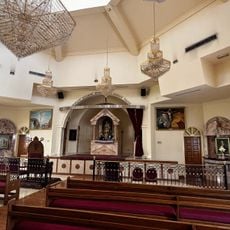
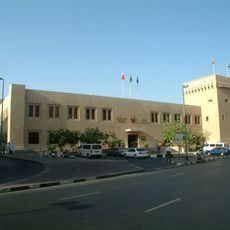
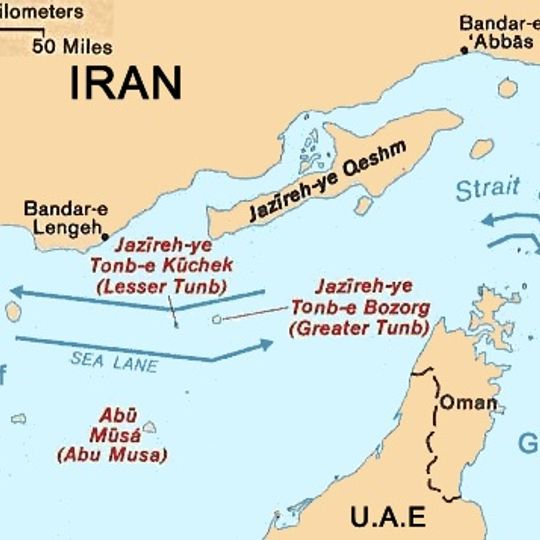
Abu Musa Island is an island territory in the eastern Persian Gulf at the entrance to the Strait of Hormuz, marked by Mount Halva rising roughly 110 meters above sea level. The island covers about 12.8 square kilometers and supports a small population concentrated mainly along its coastal areas.
The island came under British protection from 1892 until 1971, after which Iran and the emirate of Sharjah signed an agreement for shared administration. This arrangement has governed control of the territory since that period.
The island's name comes from the Arabic term for 'mother of Moses', reflecting its historical significance in the region. Residents speak a local Persian dialect that shapes daily life and communication on the island.
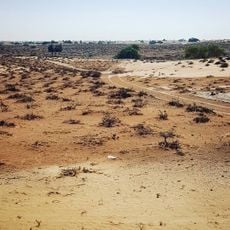
The island is connected to the Iranian mainland by its own airport, enabling transport for residents and visitors. Those planning to visit should know that conditions there are quite dry and infrastructure is limited.
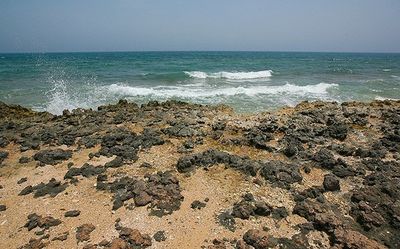
Despite the dry conditions, the island has fresh water wells that sustain patches of grass, allowing residents to raise livestock on what would otherwise be barren land. These small green areas in an otherwise harsh landscape are the result of long adaptation to local conditions.
The community of curious travelers
AroundUs brings together thousands of curated places, local tips, and hidden gems, enriched daily by 91,131 contributors worldwide.