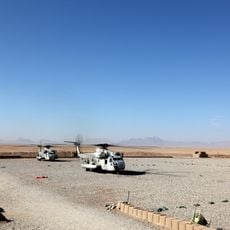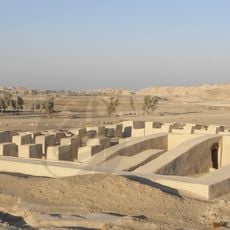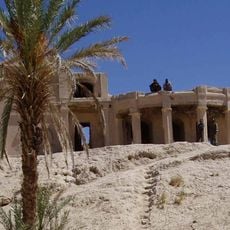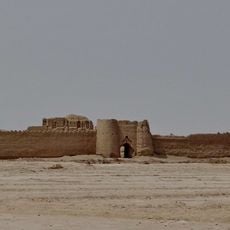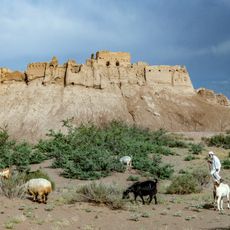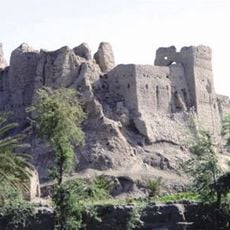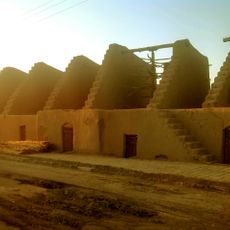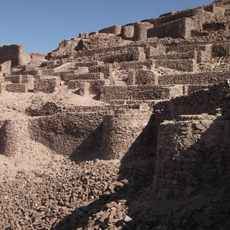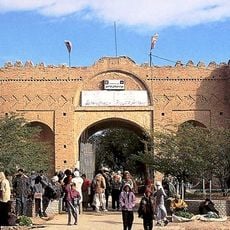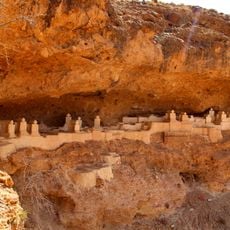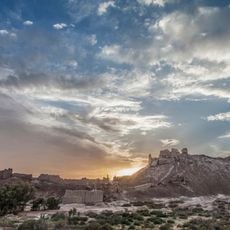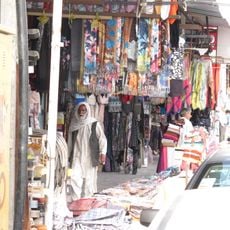
Sistan Basin, Endorheic basin between southeastern Iran and southwestern Afghanistan.
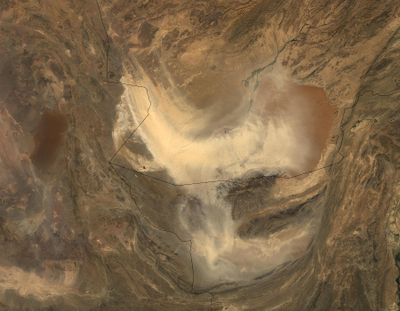
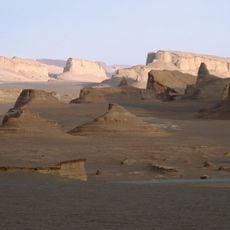
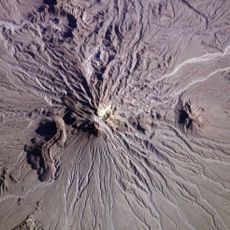
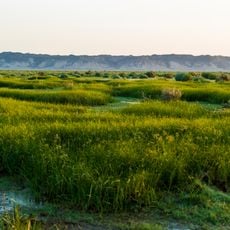
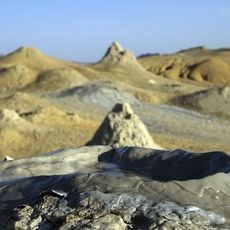
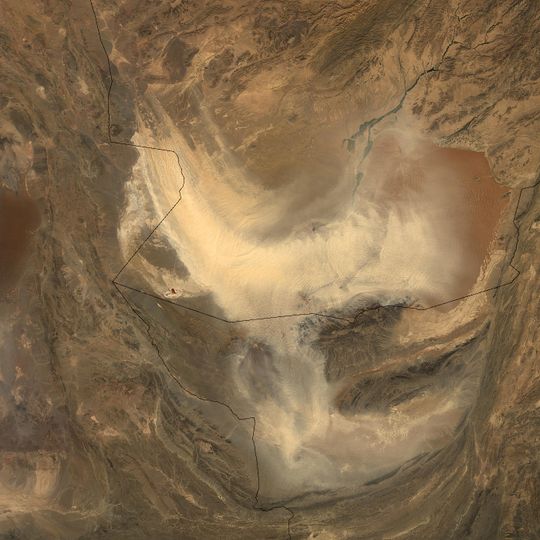
The Sistan Basin is an endorheic basin between southeastern Iran and southwestern Afghanistan where a network of rivers from Afghanistan's highlands flow into three connected lakes. These water bodies – Hamun-e Puzak, Hamun-e Sabari, and Hamun-e Helmand – form a complex system that spreads across a wide, flat region.
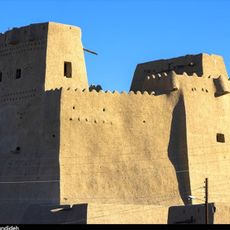
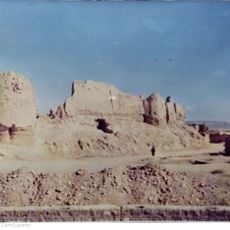
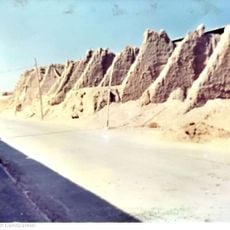
The region was home to advanced settlements for millennia, including the archaeological site of Shahr-e Sukhteh, built around 3100 BCE near a former branch of the Helmand River. The location and waterways have always shaped human settlement and economic activity in this basin.
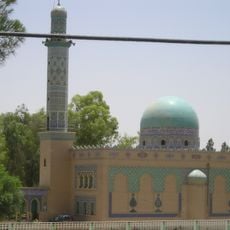
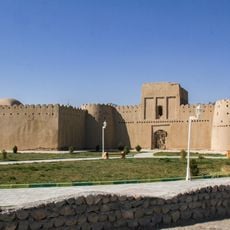
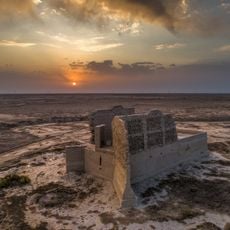
The name derives from Persian origins and refers to the dark green lakes that define the landscape. Visitors can find traces of ancient settlements and religious sites along the shores, showing how closely people here depended on the water.
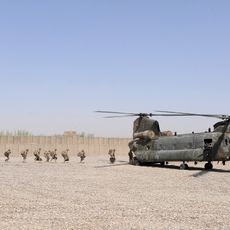
The area is difficult to access and requires careful planning as water levels fluctuate greatly between seasons and infrastructure is limited. Visitors should expect basic conditions and rely on local guides to explore the region safely.
During rare flood events that occur roughly every few decades, the three separate lakes merge into one enormous water body that spans both countries. These unusual occurrences reveal the dramatic transformation of the landscape and remind visitors of the sudden power of water in this region.
The community of curious travelers
AroundUs brings together thousands of curated places, local tips, and hidden gems, enriched daily by 91,838 contributors worldwide.