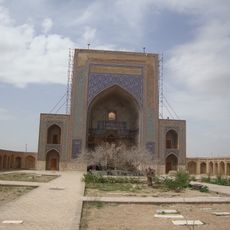
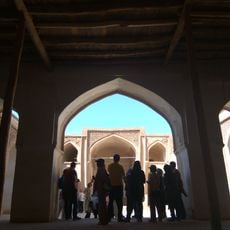
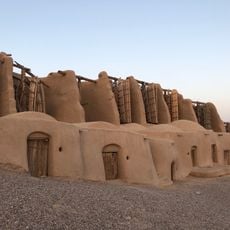
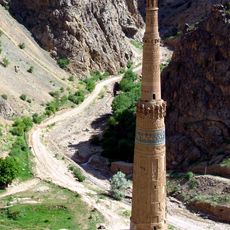
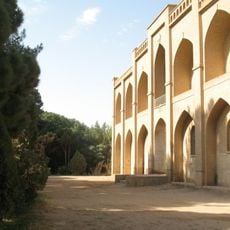
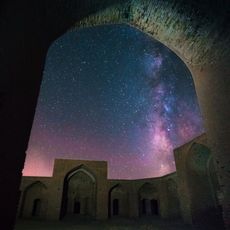
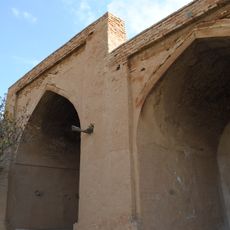
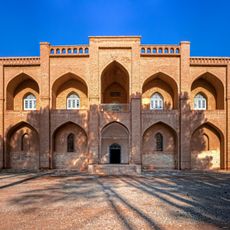
Yu Aw Synagogue, Iranian architecture synagogue in Momandha Quarter, Herat, Afghanistan.
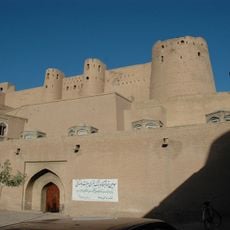
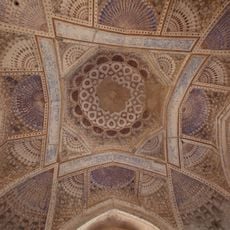
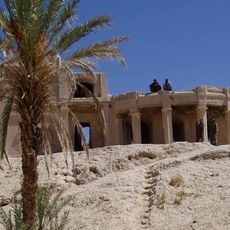
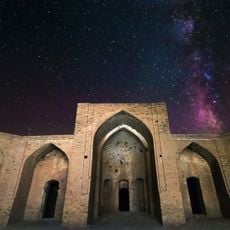
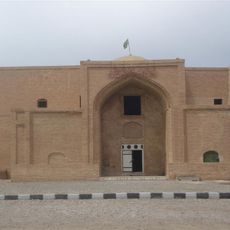
Yu Aw Synagogue is a mudbrick building in the Momandha Quarter of Herat that displays traditional Iranian architectural elements. The interior features a main prayer hall with decorative stucco work still visible on its surfaces.
Researchers believe the synagogue has existed since 1393, when it was one of four in Herat. No definitive construction date is recorded. In 1948, when Israel was founded, Herat's estimated 280 Jewish families began leaving; by 2021 no Jews remained in Afghanistan. In 2009 the local government restored part of the complex with funding from the Aga Khan Trust for Culture, and in October 2022 the Taliban-run Islamic Emirate announced a 16-month project, mostly funded by the Aliph Foundation, to prevent structural collapse and rehabilitate the mikvah.
The area around the synagogue was known as Mahalla-yi Musahiya, the "Neighbourhood of the Jews", and the building sits in today's Momanda quarter of Herat's old city. The prayer hall keeps painted stucco with Persianate floral motifs: flowering "trees of life" and paisley butas flank the Torah Ark on the western wall. Three Hebrew inscriptions remain above the stairway on the north wall.
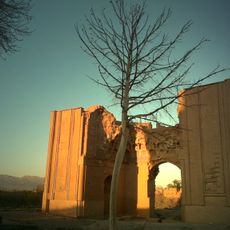
The synagogue stands in the Momanda neighbourhood of Herat's old city, in the former Mahalla-yi Musahiya. It is abandoned and in disrepair, with parts of the courtyard used as family housing, so visits are limited to viewing the structure from outside. The mikvah nearby, formerly Hamman-e Yahudiha, now serves as a hammam for men.
The basement now serves as a workspace for an employee of the Department of Historic Monuments Preservation. This practical use helps maintain the site while keeping it integrated into local administration.
The community of curious travelers
AroundUs brings together thousands of curated places, local tips, and hidden gems, enriched daily by 92,722 contributors worldwide.