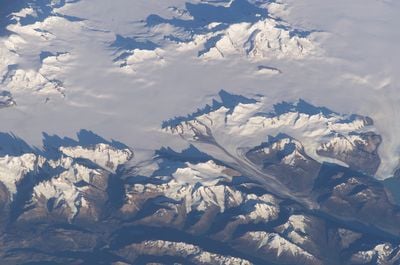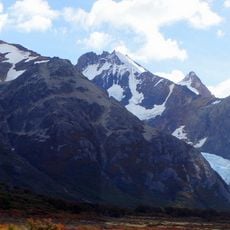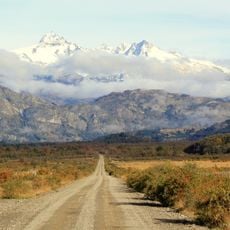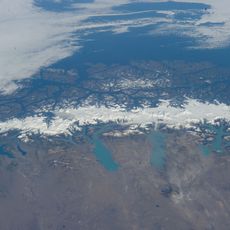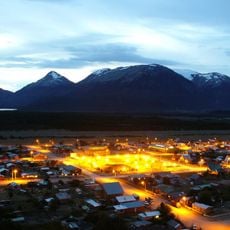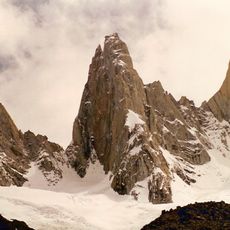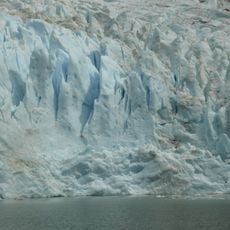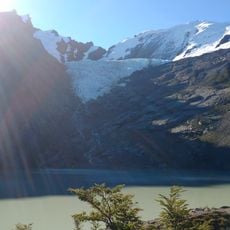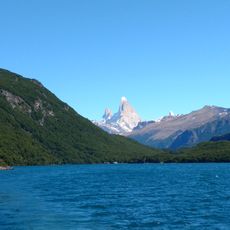
Lautaro, Stratovolcano in Southern Patagonian Ice Field, Chile
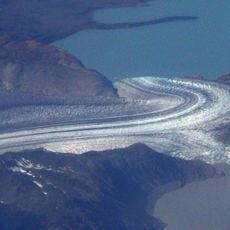
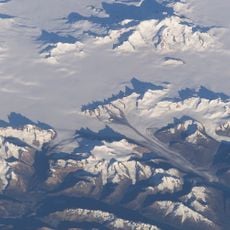
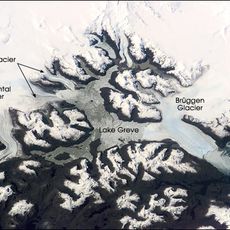
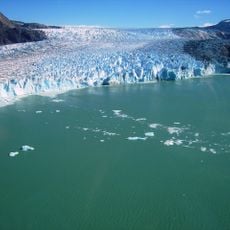
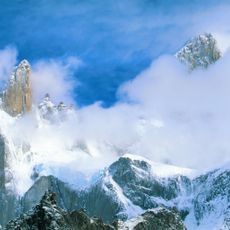
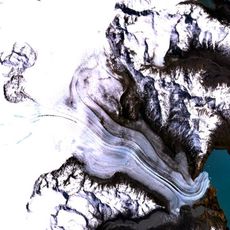
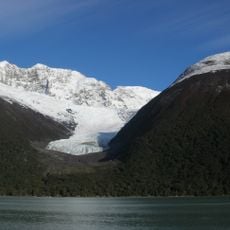
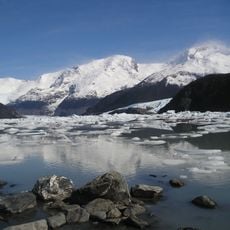
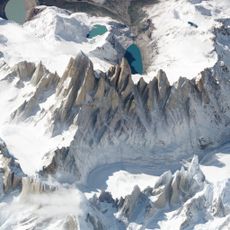
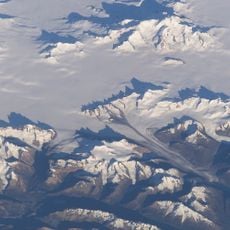
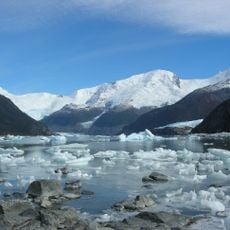
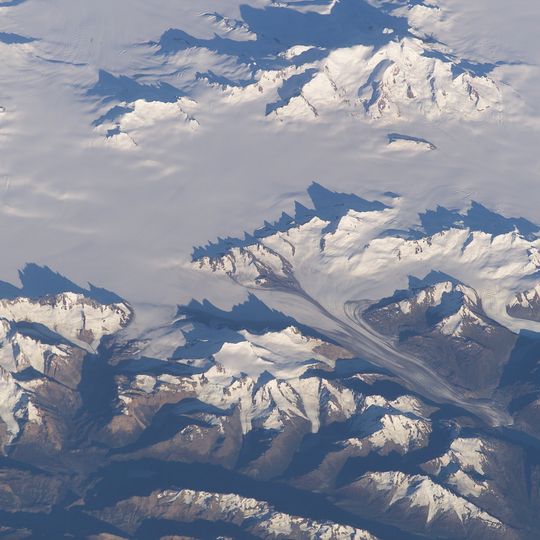
Volcán Lautaro is a stratovolcano rising above the Southern Patagonian Ice Field, reaching approximately 3,600 meters in elevation. Around 90 percent of its surface is covered by ice and glaciers, defining the mountain's appearance and structure.
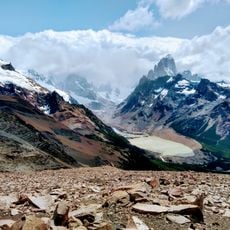
The existence of a volcano here was recognized in 1879, but the peak was only identified as Lautaro in 1961. It was named in 1952 after the 16th-century Mapuche leader Lautaro, having earlier been called Volcán de Los Gigantes and sometimes confused with the neighbouring non-volcanic Cerro FitzRoy. Its 1959 eruption, observed from aircraft, fixed the volcano's position and is the only well-documented historic eruption in the Austral Volcanic Zone.
The volcano carries the name of a 16th-century Mapuche leader who resisted Spanish colonial expansion. This indigenous heritage is embedded in the mountain's identity and reflects the region's native history.
Access requires advanced mountaineering skills due to its location within glacial fields and exposure to extreme Patagonian weather. Visitors should prepare for rapidly changing conditions and demanding terrain.
Lautaro is the most historically active volcano of the Austral Volcanic Zone, with eruptions recorded in 1876, 1878–1879, 1883, 1933, 1945, 1959–1960, 1972 and 1978–1979. The 1959 eruption, observed from an aircraft, fixed the volcano's position and is the only well-documented historic eruption in the zone.
The community of curious travelers
AroundUs brings together thousands of curated places, local tips, and hidden gems, enriched daily by 93,007 contributors worldwide.