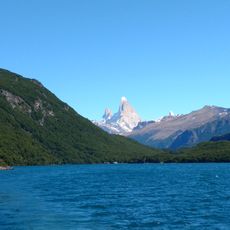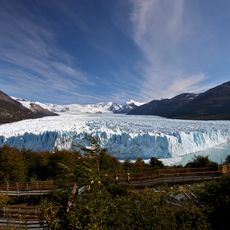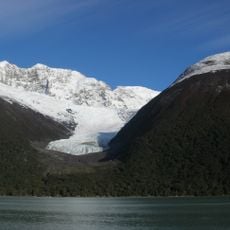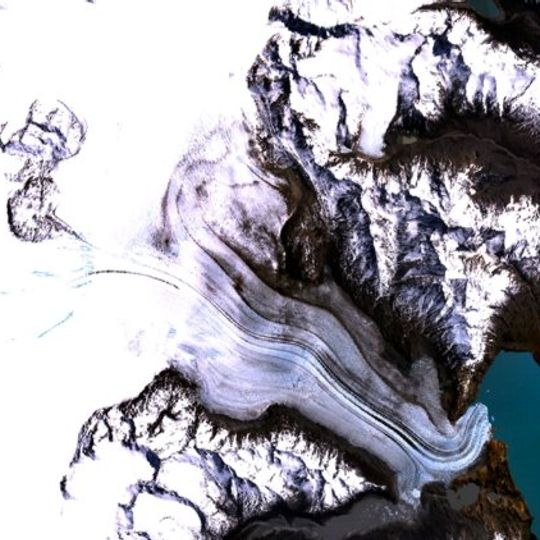
Viedma, Volcanic peak in Southern Patagonia, Chile
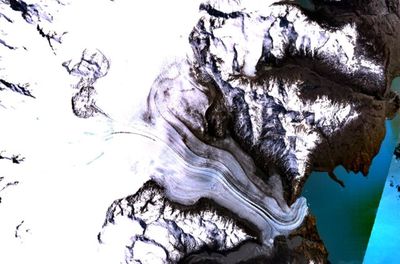
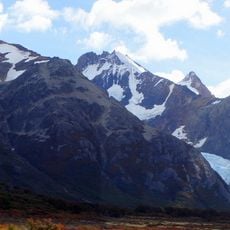
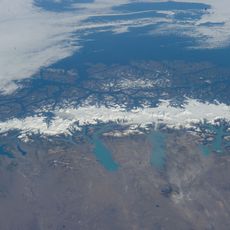
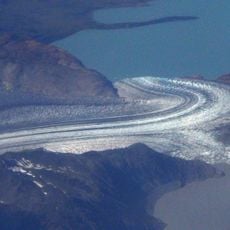
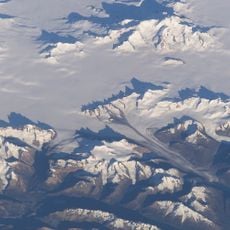
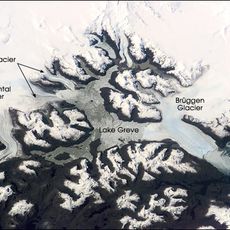
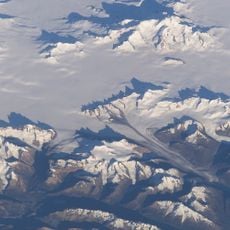
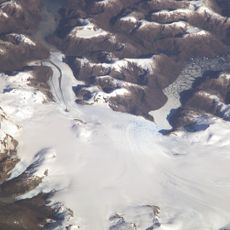
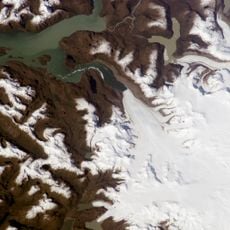
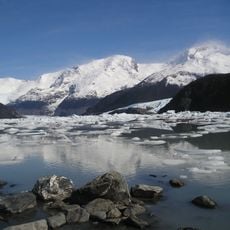
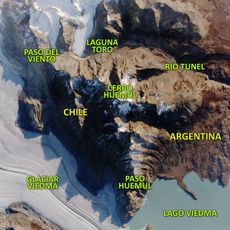
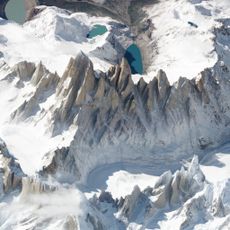
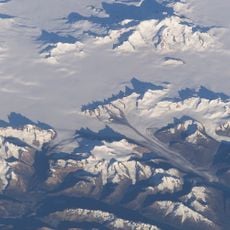
Viedma is a volcanic peak in Southern Patagonia that rises to approximately 1300 meters beneath the Southern Patagonian Ice Field. The volcano contains four separate calderas with diameters ranging from 1.5 to 4 kilometers.
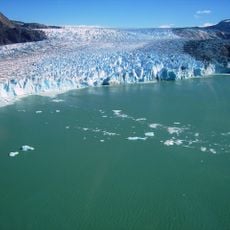
The volcano erupted in 1988, depositing significant amounts of ash and pumice across the Patagonian glacier. This activity generated mudflows that traveled down toward Viedma Lake.
The volcano holds geological importance for understanding the early Mesozoic connection between Patagonia and the Antarctic Peninsula through rock formations.
The site is accessible only to specialized mountaineering expeditions due to its position beneath heavy ice and extreme weather conditions. Visitors planning to visit should prepare for rapid weather changes and travel with experienced guides familiar with glacial terrain.
This is one of the few subglacial volcanoes in South America, lying almost entirely beneath the ice field. Scientists study it through ice cores and geophysical surveys, revealing how volcanic activity continues beneath glaciers.
The community of curious travelers
AroundUs brings together thousands of curated places, local tips, and hidden gems, enriched daily by 91,357 contributors worldwide.