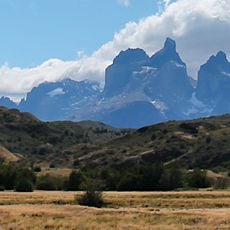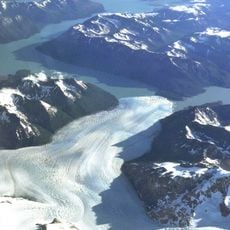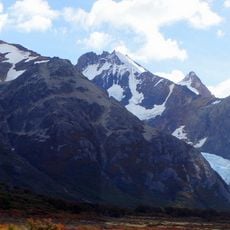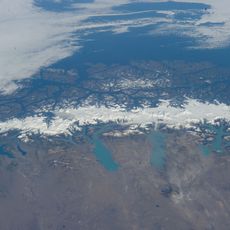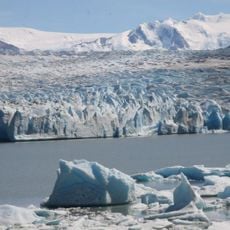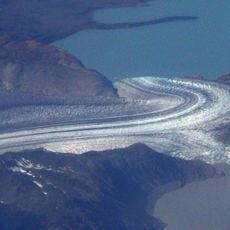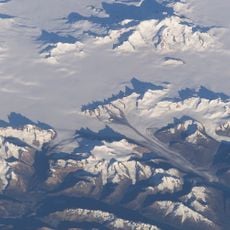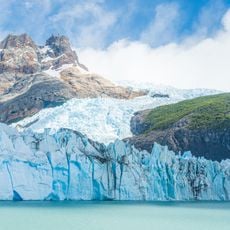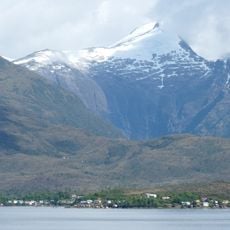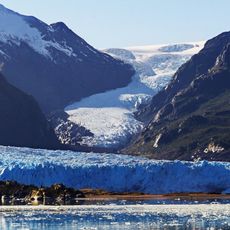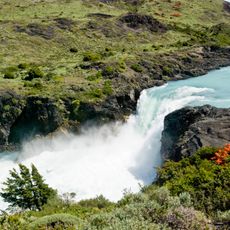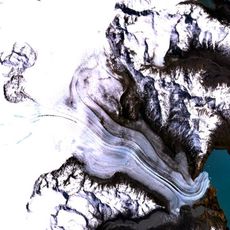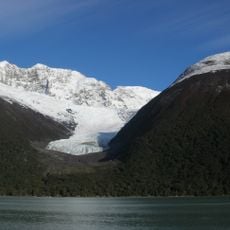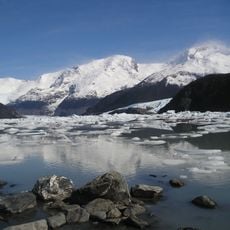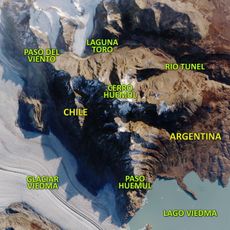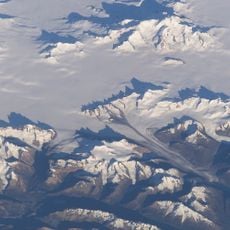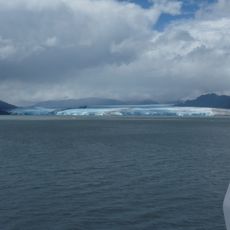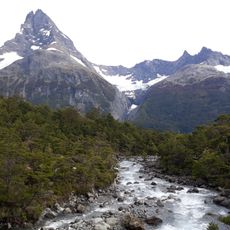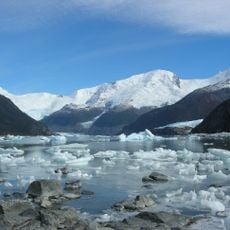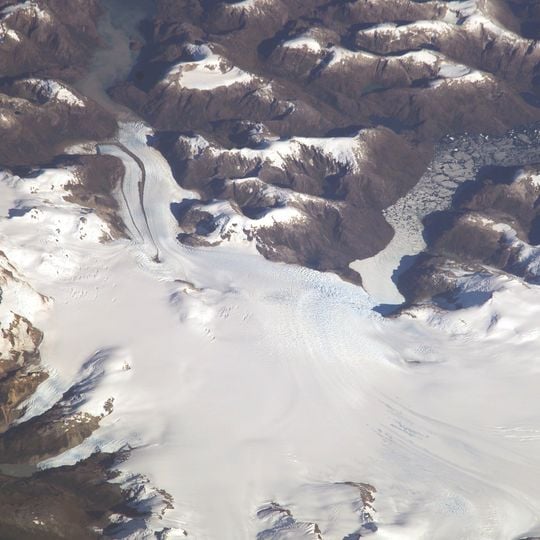
Aguilera, Stratovolcano in Southern Patagonia, Chile.
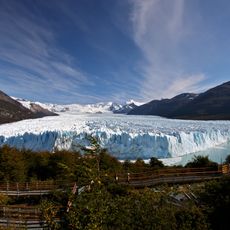
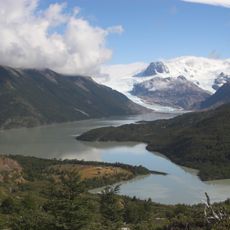
Aguilera is a stratovolcano in the southern Andes that rises 2,546 meters above the Patagonian Ice Field. It forms part of a volcanic group of six peaks that make up the southernmost section of the Andean Volcanic Zone.
Named in 1933 by Alberto María de Agostini after Abraham Aguilera, the first apostolic vicar of Magallanes, it was long taken for an ordinary hill. A Chilean-British expedition led by Matthew Hickman recognised its volcanic nature in 1985. Five attempts failed until 29 August 2014, when Camilo Rada, Viviana Callahan, Inés Dussaillant, Natalia Martínez and Evan Miles reached the summit after nine days of approach.
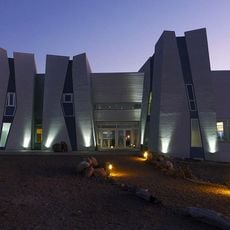
The name was given in 1933 by the Salesian priest Alberto María de Agostini, who saw the peak from Cerro Mayo and named it after Abraham Aguilera, the first apostolic vicar of Magallanes and the Malvinas Islands, who died in Ancud that year. Ash from its eruptions reached archaeological sites around Lago Argentino.
Aguilera sits in the Southern Hemisphere Westerlies belt, where average temperatures run about 4–10 °C and precipitation falls from roughly 1,400 mm a year in the west to under 200 mm in the east. The volcano is almost entirely covered with ice, and its ice mass could generate large lahars in several directions. It is not monitored by SERNAGEOMIN.
A major past eruption dispersed volcanic material across the entire Patagonian region and reached the Strait of Magellan. This scale of activity reveals the immense power of this southernmost volcano.
The community of curious travelers
AroundUs brings together thousands of curated places, local tips, and hidden gems, enriched daily by 93,860 contributors worldwide.