Archipelagoes of Patagonia, Island chain in southern Chile
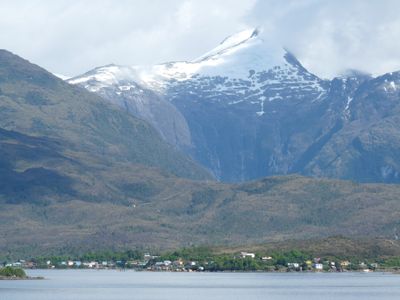
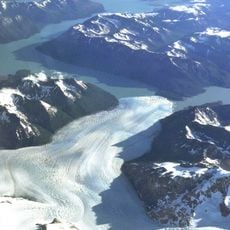
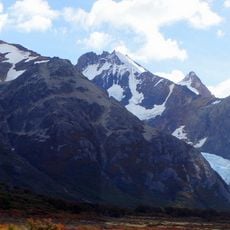
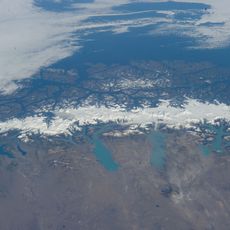
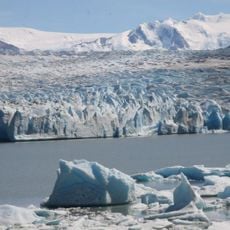
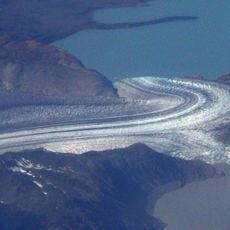
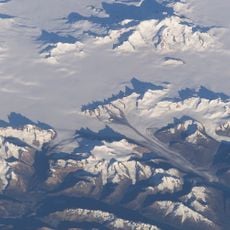
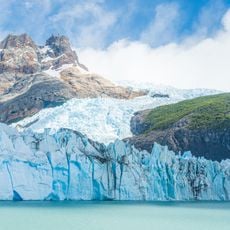
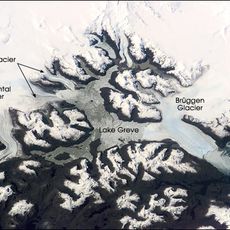
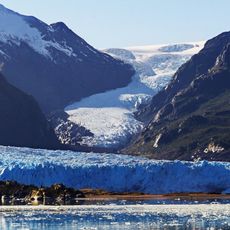
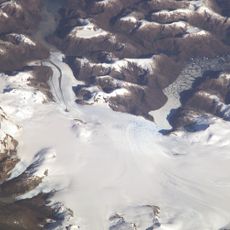
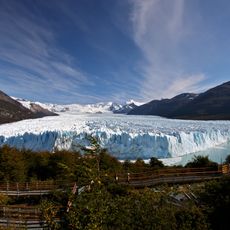
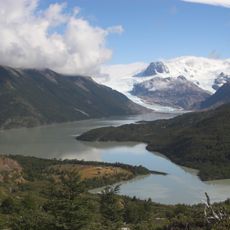
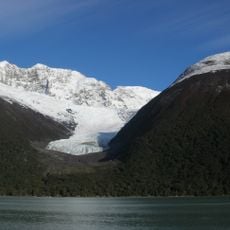
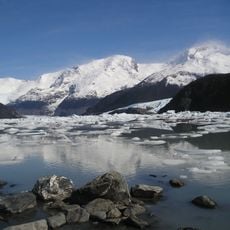
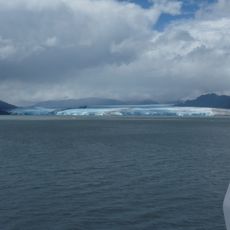
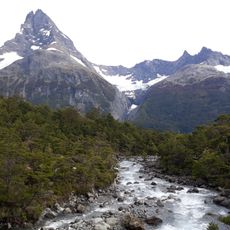
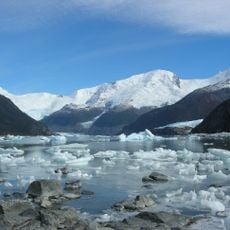
The Archipelagoes of Patagonia are a series of island groups along Chile's Pacific coast, from Tierra del Fuego north to Chiloé. The islands are submerged parts of the Coastal Andes, shaped by glaciers, with mountain relief reaching 1,341 m on Santa Inés Island and shores cut by fjords. The main city and port, Ancud, lies on Chiloé Island.
Spanish explorers navigated these waters in the 16th century and established the Strait of Magellan as a major shipping route. This passage became one of the world's most important maritime corridors for international trade.
The indigenous Chono people relied on the sea for daily survival, developing specialized boats from local materials to hunt and fish in these isolated waters. This deep connection to the ocean shaped how people lived and moved through this region.
These islands are accessible only by ship, with expedition cruises departing from Punta Arenas or Puerto Natales between October and March. Weather is unpredictable year-round, so visitors should bring waterproof gear and prepare for changing conditions.
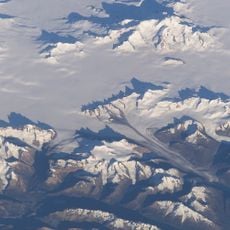
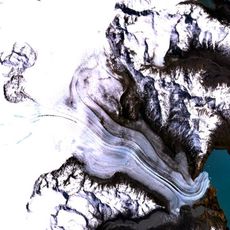
The Santa Inés island reaches 1,341 m, the highest point of the whole chain. The islands are drowned sections of the Coastal Andes, showing glacial carving, and the wettest parts receive around 3,000 mm of rain a year, among the rainiest places on the planet.
The community of curious travelers
AroundUs brings together thousands of curated places, local tips, and hidden gems, enriched daily by 93,416 contributors worldwide.