Lautaro, Stratovolcano in Southern Patagonian Ice Field, Chile
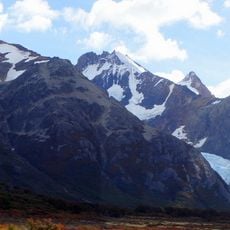
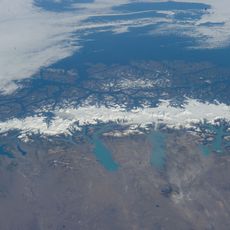
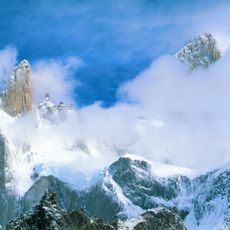
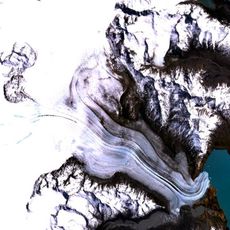
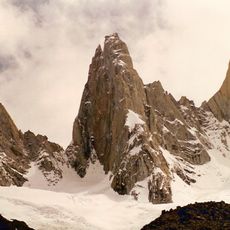
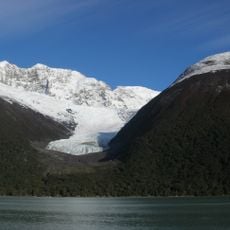
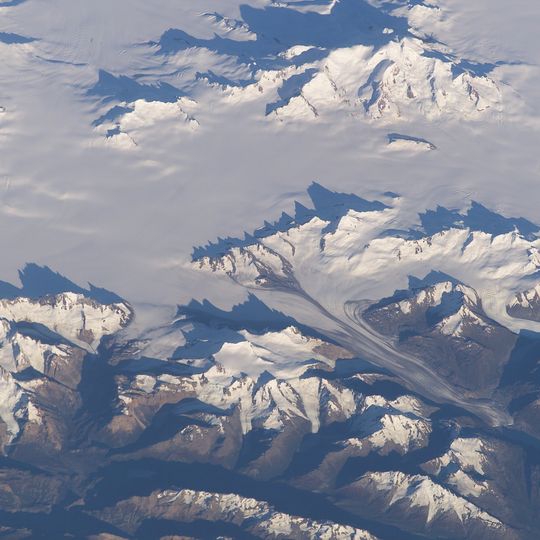
Volcán Lautaro is a stratovolcano rising above the Southern Patagonian Ice Field, reaching approximately 3,600 meters in elevation. Around 90 percent of its surface is covered by ice and glaciers, defining the mountain's appearance and structure.
The mountain was first identified as a volcano in 1879 and received its current name in 1961, replacing an earlier designation as Volcán de Los Gigantes. This renaming marked an official recognition of its volcanic character and geographic importance.
The volcano carries the name of a 16th-century Mapuche leader who resisted Spanish colonial expansion. This indigenous heritage is embedded in the mountain's identity and reflects the region's native history.
Access requires advanced mountaineering skills due to its location within glacial fields and exposure to extreme Patagonian weather. Visitors should prepare for rapidly changing conditions and demanding terrain.
The volcano spans approximately 150 square kilometers and is the southernmost active volcano in the Andes, nearly completely covered in ice. This extreme glacial coverage makes it a rare example of a glacier-dominated volcano in the region.
The community of curious travelers
AroundUs brings together thousands of curated places, local tips, and hidden gems, enriched daily by 91,075 contributors worldwide.