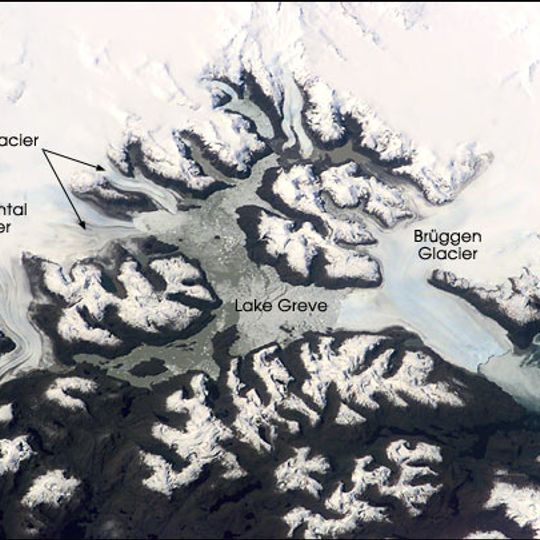
Brüggen Glacier, Tidewater glacier in Magellan Region, Chile
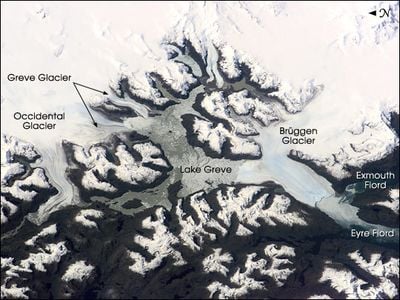
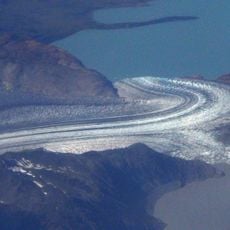
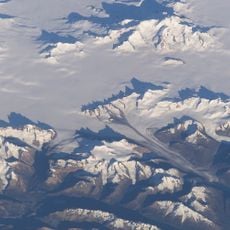
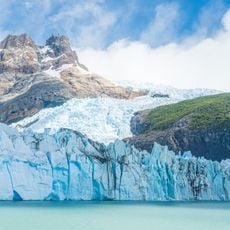
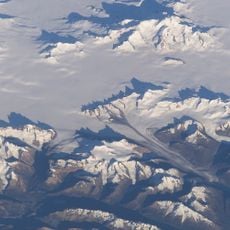
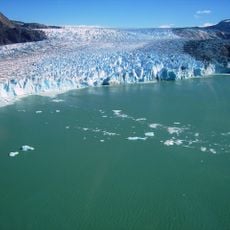
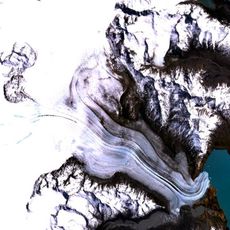
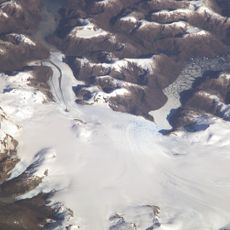
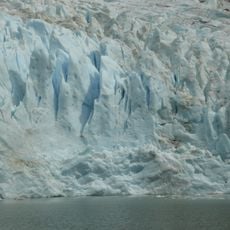
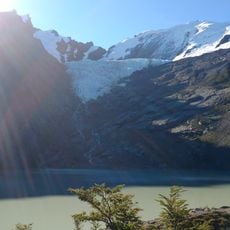
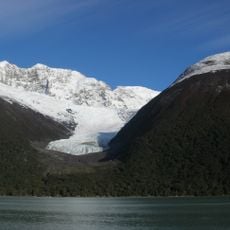
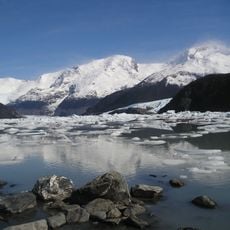
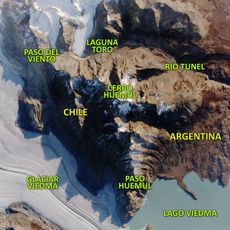
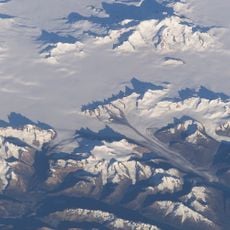
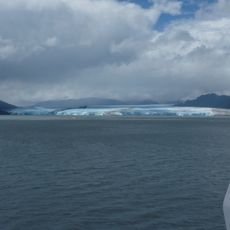
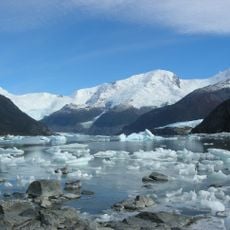
Brüggen Glacier is a tidewater glacier in the Magellan Region that flows about 66 kilometers from the Southern Patagonian Ice Field, making it the longest glacier in the southern hemisphere outside Antarctica. Its terminus splits into several outlets that descend steeply into the fjord system, where walls of ice meet deep water directly.
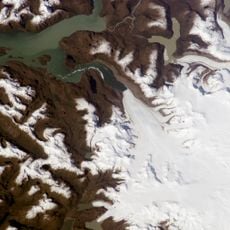
The glacier formed during the ice age and experienced significant changes over thousands of years. During the 1900s it showed unusual behavior, advancing about 5 kilometers into Eyre Fjord between 1945 and 1976 and reaching the western shore.
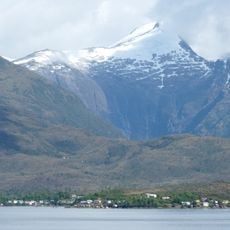
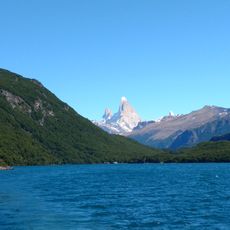
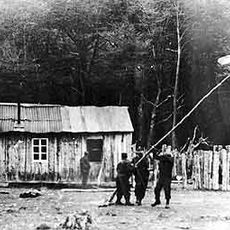
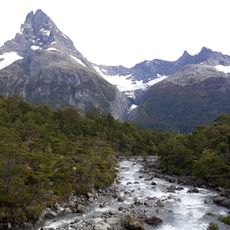
The glacier takes its name from German geologist Juan Brüggen Messtorff, who studied Patagonian geology intensively in the early 1900s. Visitors walking along the fjord shores today can see how the ice has reshaped the entire landscape.
Visitors typically reach the glacier aboard expedition cruise ships that navigate through the fjord system and approach the ice face directly. Plan visits during stable weather windows, as the fjord setting can bring sudden weather changes that affect access and visibility.
Unlike most glaciers worldwide, Brüggen has grown by about 60 square kilometers in recent decades while others are shrinking, making it an unusual exception among southern Patagonian ice masses. Scientists continue to study why this glacier behaves differently from the broader pattern of global ice retreat.
The community of curious travelers
AroundUs brings together thousands of curated places, local tips, and hidden gems, enriched daily by 90,903 contributors worldwide.