Patagonian Desert, Desert region in southern Argentina
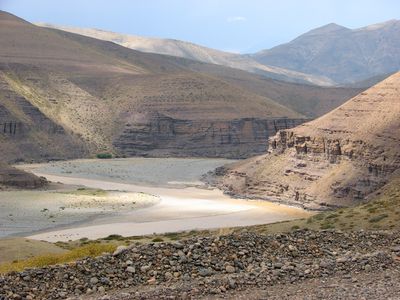
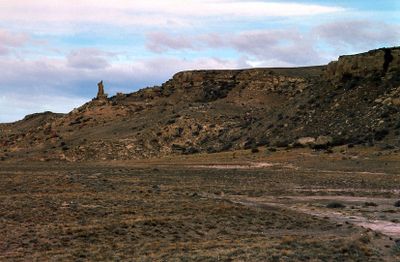
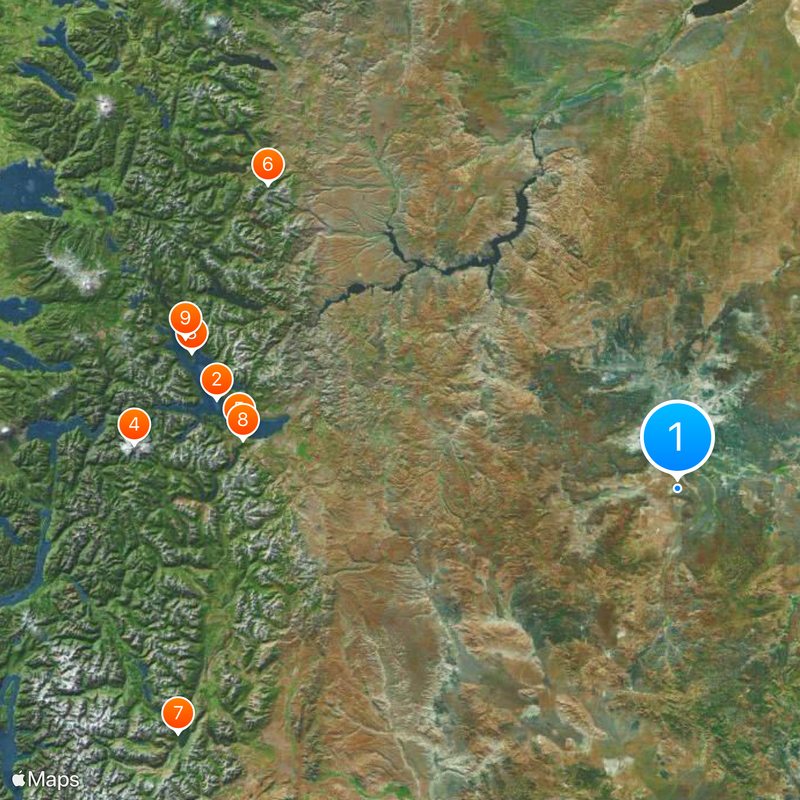
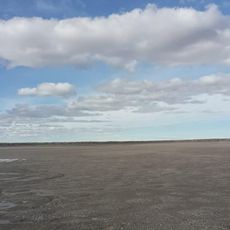
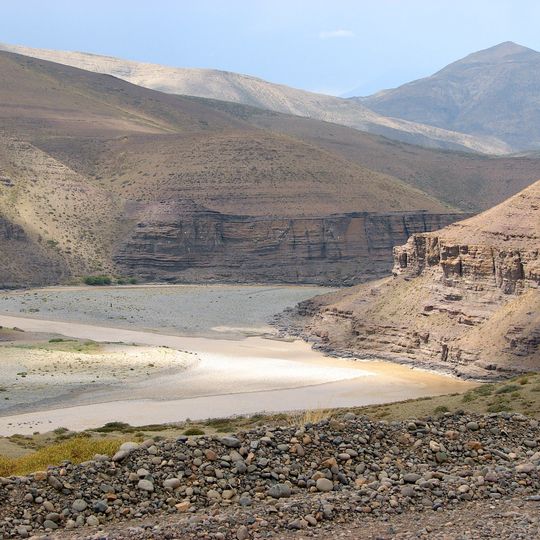
The Patagonian Desert spreads across wide tablelands in southern Argentina and shows deep valleys bordered by steep cliffs and extinct volcanic cones. Dry grassland covers the flat areas, while shrubs sometimes grow on valley slopes, adapting to the strong winds.
Spanish explorers gave the area its name in the 16th century when they met the indigenous Tehuelche people. The formation of the Andes millions of years ago changed the landscape and created the dry conditions that exist today.
The name comes from the Spanish word for large-footed people, which explorers used when meeting the indigenous inhabitants in the 16th century. Today, few people live across the wide tablelands, and visitors can spot traces of earlier inhabitants through rock paintings and stone tools left behind at sheltered spots.
Travelers should be ready for low temperatures and strong winds, especially in the southern sections. The best time to visit is during summer, when days are longer and warmer, while winter can be very cold.
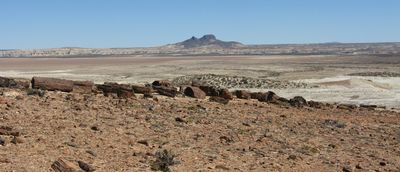
Fossilized forests lie in the central area, dating from a time before the Andes formed. Some of these petrified trees reach several meters in height and still show the rings and structure of the original wood.
The community of curious travelers
AroundUs brings together thousands of curated places, local tips, and hidden gems, enriched daily by 91,817 contributors worldwide.