Lago Puelo National Park, National park in Chubut, Argentina.
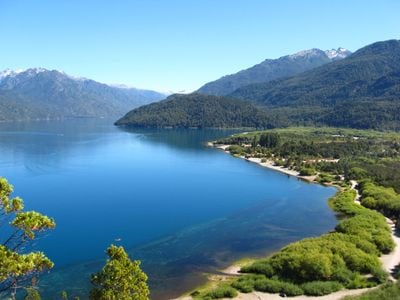
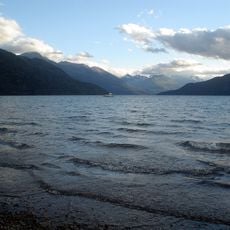
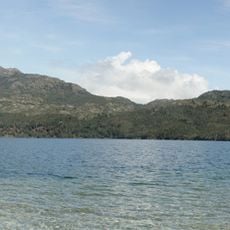
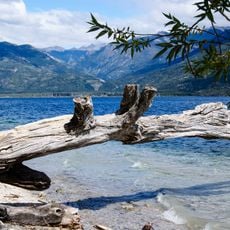
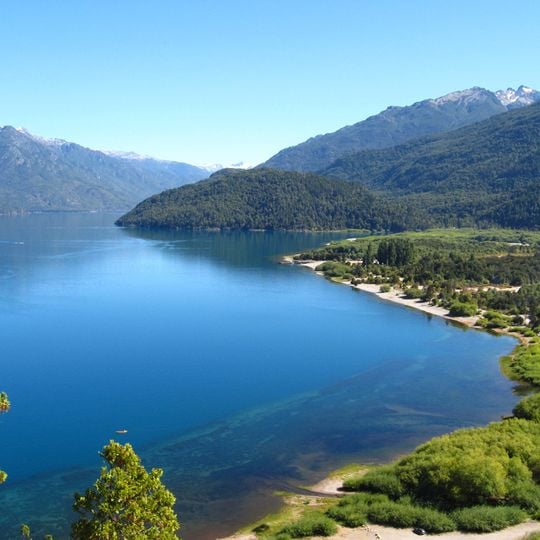
Lago Puelo National Park is a protected area in the mountains of Chubut featuring glacial lakes and rivers whose waters turn turquoise from sediments. The terrain spreads across multiple zones with hiking trails, camping grounds, swimming areas, boat tours, and fishing locations throughout.
The area was first protected in 1937 as a reserve connected to the neighboring Los Alerces National Park. It gained independent status and became a separate national park in 1971.
Groups of Mapuche people live east of the park's boundaries, and rock art with reddish geometric motifs on stone can be seen in some areas of the park. The first settlers of the region were hunter-gatherers who used stone tools to hunt guanacos; cave paintings in the park appear to show paths into the forest.
The park is accessible via different routes and offers trails, camping spots, and swimming areas at various difficulty levels for all visitors. The best conditions for outdoor activities occur during warmer months, though nature lovers visit throughout the year.
The lake's shore lies at only about 200 m above sea level, low enough that Valdivian rainforest species cross from Chile: tique, ulmo, lingue and avellano grow beside coihue, lenga and ciprés de la cordillera. This mix sets the park apart from other Argentine Andean-Patagonian parks. Look for reddish geometric rock paintings inside the park, and Mapuche communities living east of its boundary.
The community of curious travelers
AroundUs brings together thousands of curated places, local tips, and hidden gems, enriched daily by 92,613 contributors worldwide.