Osorno, Stratovolcano in Los Lagos Region, Chile
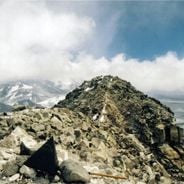
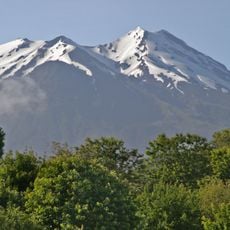
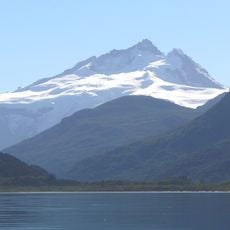
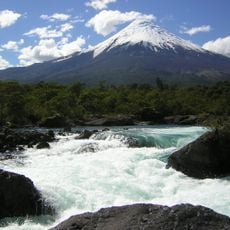
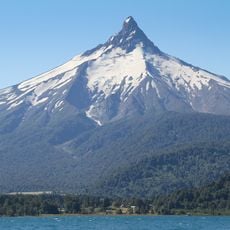
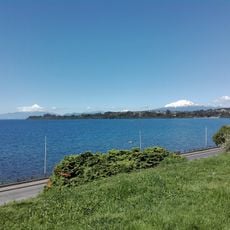
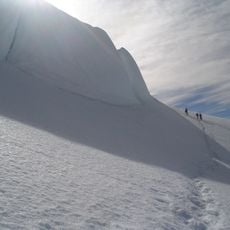
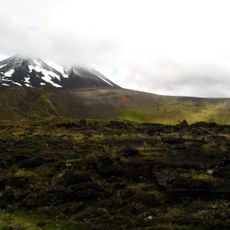
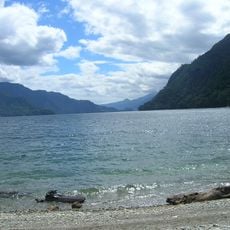
Osorno is a volcano in Osorno Province in Chile, its perfectly shaped cone rising above lakes Llanquihue and Todos los Santos. Snowfields cover the upper slopes in winter, while dark lava flows along the flanks show the volcanic nature of the mountain.
The mountain erupted several times between 1575 and 1869, with travelers and researchers recording these events in their writings. Charles Darwin observed the peak during his time aboard the Beagle and described it in his travel accounts from 1835.
The name Osorno comes from the city of Osorno, from which Spanish settlers could see the peak. Native peoples called it Purailla, Purarhue, Prarauque, Peripillan, Choshueco, Hueñauca and Guanauca; the last two were the most common in the mid-18th century. In Mapuche mythology the pillán Peripillán is held prisoner inside the volcano.
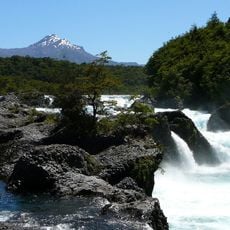
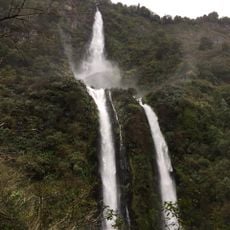
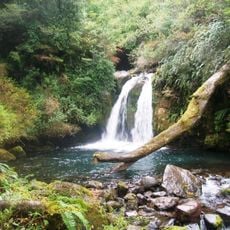
Access is from Puerto Klocker, Ensenada and Petrohué, with Las Cascadas at the foot of the mountain on Llanquihue Lake. Ascents take about six hours and are usually made in groups with a local guide. Bring thermal clothing, sunglasses, sun cream, water, repellent for horseflies and comfortable footwear; in summer melting snow reopens volcanic fissures.
Osorno sits atop La Picada, a 250,000-year-old eroded stratovolcano with a 6-km-wide caldera. Its basalt and andesite lava flows from past eruptions reached both Llanquihue and Todos los Santos lakes, and it has been noted for resembling Mount Fuji.
The community of curious travelers
AroundUs brings together thousands of curated places, local tips, and hidden gems, enriched daily by 93,420 contributors worldwide.