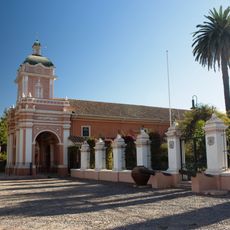
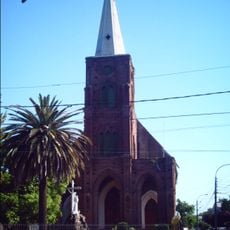
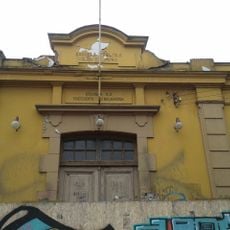
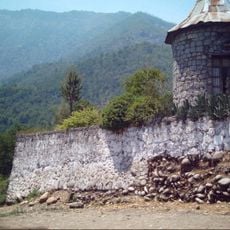
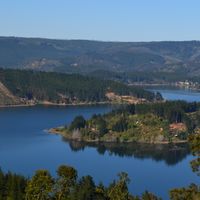
Curicó Province, Administrative district with 9 municipalities in Maule Region, Chile
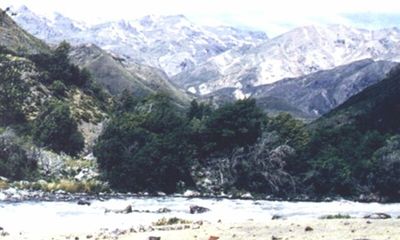
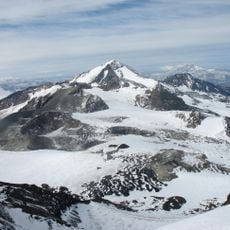
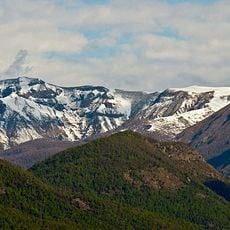
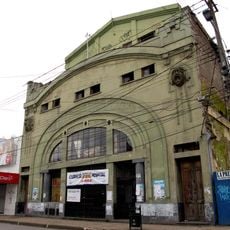
Curicó Province spans from the Pacific coast to the Argentine border in the Maule Region, containing nine municipalities across a landscape of mountains and valleys. The nine towns—Curicó, Hualañé, Licantén, Molina, Rauco, Romeral, Sagrada Familia, Teno, and Vichuquén—form the complete administrative division, with Curicó as the main city.
The province became officially established in 1865 as part of Colchagua Province before being transferred to the newly created Maule Region in 1974. This administrative shift reflected Chile's broader reorganization of its regional divisions during that period.
The name comes from the Curis people who lived here before Spanish settlement, making their heritage an important part of the region's identity today. You can sense this indigenous connection in how locals speak about their landscape and traditions.
Curicó town serves as the main hub for services and transportation within the province. Visitors should plan accordingly since the nine municipalities spread across a large area, making it helpful to decide which towns to visit based on your available time.
The valley gained international recognition in the 1970s when modern winemaking techniques were introduced, transforming the area into a major wine region. This shift brought new economic activity and put the territory on the global wine map.
The community of curious travelers
AroundUs brings together thousands of curated places, local tips, and hidden gems, enriched daily by 90,790 contributors worldwide.