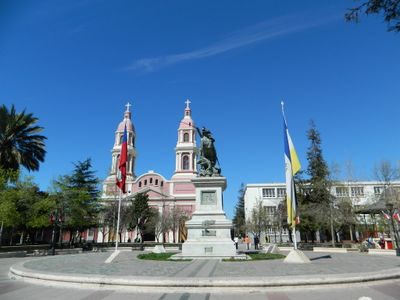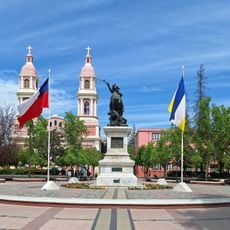
Rancagua, Provincial capital in O'Higgins Region, Chile
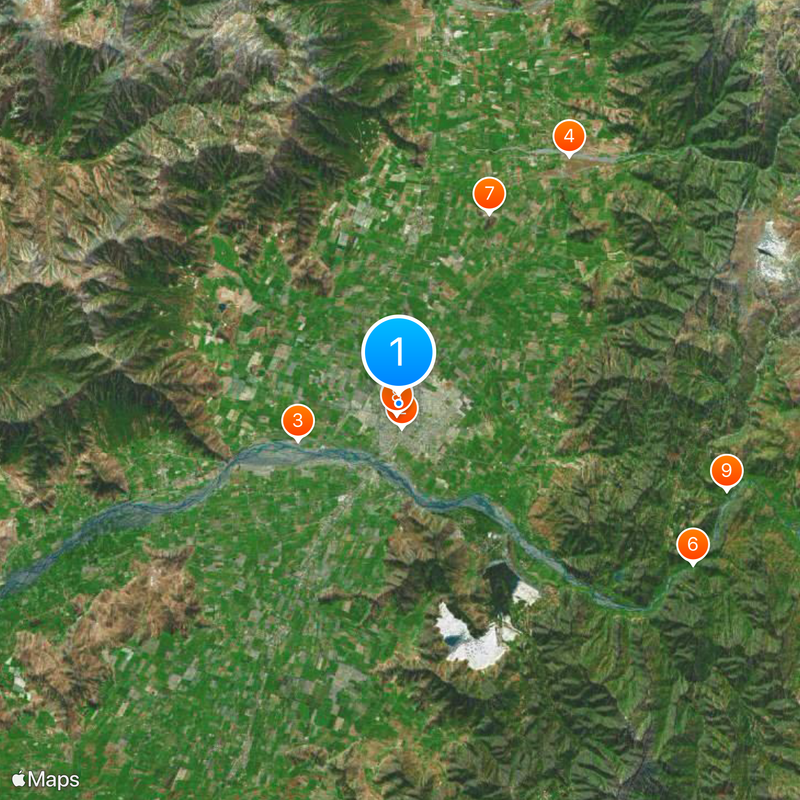
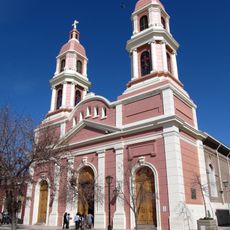
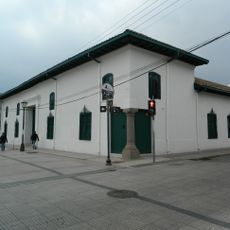
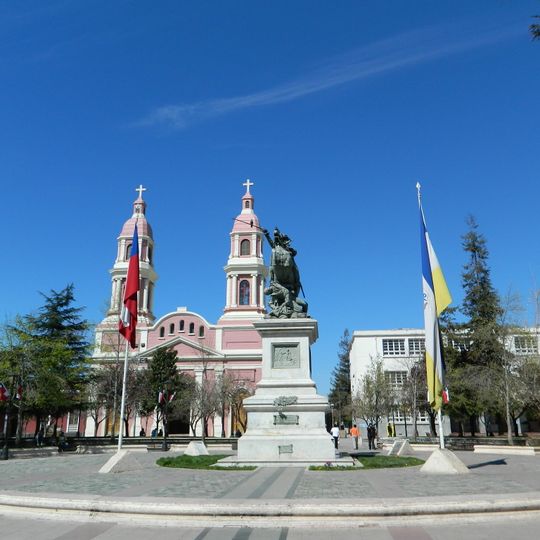
Rancagua is a provincial capital in the O'Higgins Region of central Chile, surrounded by vineyards and agricultural fields in a wide valley. The city spreads with broad streets and low buildings from the center to the outskirts, where residential areas gradually transition into farmland.
The Battle of Rancagua in 1814 ended with a defeat of republican forces against Spanish royalists and delayed Chilean independence. After this event, the city was rebuilt during the 19th century as a trading and administrative center for the region.
The city preserves its connection to Chilean rodeo, where huasos in traditional clothing perform on horseback in the medialuna arena. Visitors can watch the riders' skill during competitions and experience the typical atmosphere of this rural sport.
The trip takes place via the Panamerican Highway or by train from Santiago station, with the journey lasting around one hour. The center is easy to explore on foot, while more distant areas can be reached by local buses or taxis.
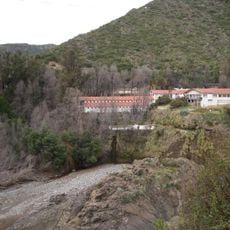
The El Teniente mine in the nearby mountains is the largest underground copper mine in the world and has shaped the economic life of the city for decades. Many residents work directly or indirectly with mining and commute daily on winding roads between the city and the mine.
The community of curious travelers
AroundUs brings together thousands of curated places, local tips, and hidden gems, enriched daily by 91,306 contributors worldwide.