Museo Regional de Rancagua, Public archaeological museum in Rancagua, Chile.
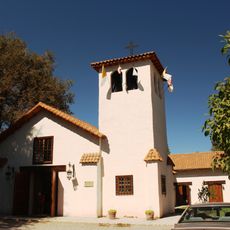
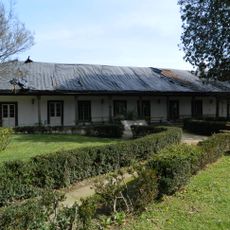
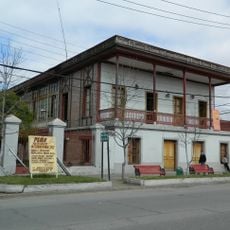
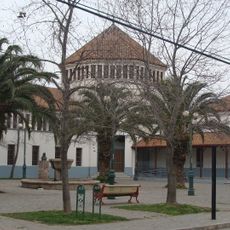
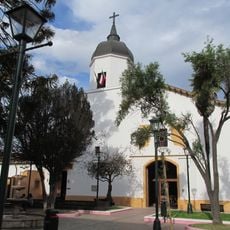
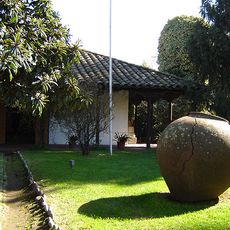
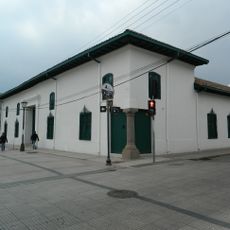
The Museo Regional de Rancagua occupies two colonial houses on the Paseo del Estado: the Casa del Ochavo, with its chamfered corner so horse-drawn carriages would not scrape the adobe walls, and the Casa del Pilar de Esquina. The Casa del Ochavo has a single storey on stone foundations, walls 11 by 7 decimetres thick, hand-made clay roof tiles and a second courtyard built in the 1990s by architect Fernando Gutiérrez. Its rooms recreate a 19th-century house: parlour, dining room, bedroom, study and traditional kitchen.
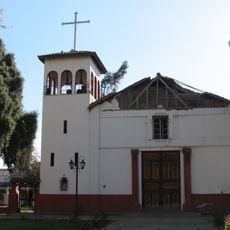
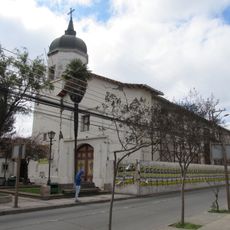
The Casa del Pilar de Esquina, first documented in 1780, housed Rancagua's first secondary school from 1842 to 1845, run by the Sotomayor Baeza brothers. In 1950 the Museo de la Patria Vieja opened in its south wing; the state acquired it two years later. After the 2010 earthquake it reopened in January 2013.
The museum displays traditional wooden polychrome images and regional artworks that reflect how people in this area lived and worked. Visitors encounter objects that show the daily crafts and cultural practices that shaped the community.
The museum occupies two colonial houses on the Paseo del Estado, in the center of Rancagua. The Casa del Ochavo holds the period rooms and the Independence room; the Casa del Pilar de Esquina, with its stone corner pillar, is used for temporary exhibitions and cultural activities. Both were declared National Monuments in 1980.
The collection also includes traditional music recordings and photographic archives that preserve the sonic and visual memory of the region. These less obvious holdings allow visitors to experience history through sound and images, not just through objects.
The community of curious travelers
AroundUs brings together thousands of curated places, local tips, and hidden gems, enriched daily by 92,863 contributors worldwide.