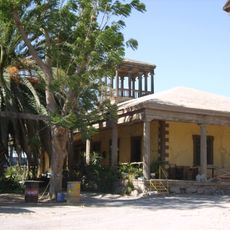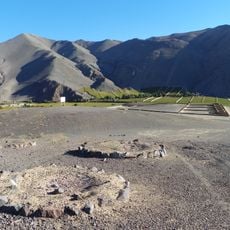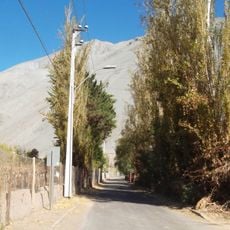
Reserva provincial Laguna Brava, Protected area in La Rioja Province, Argentina.
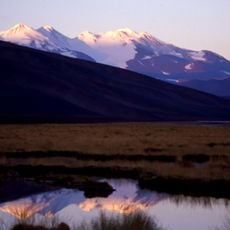
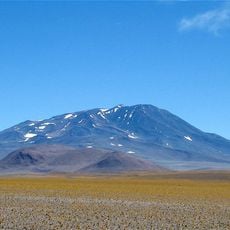
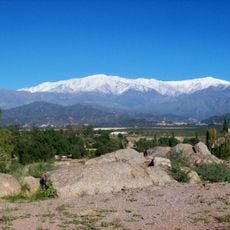
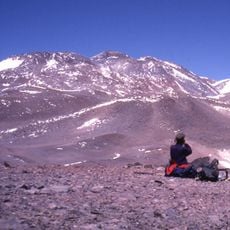
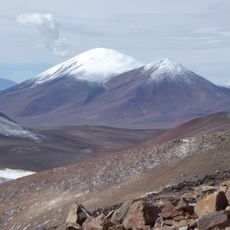
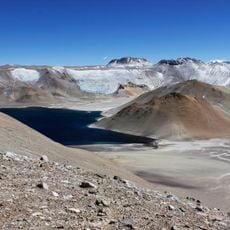
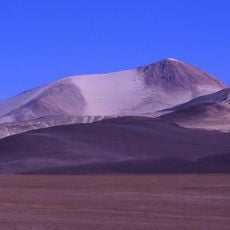
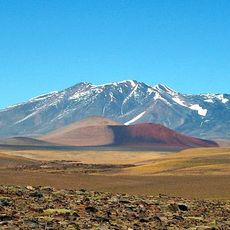
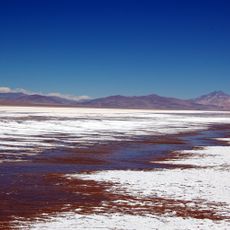
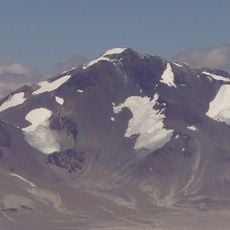
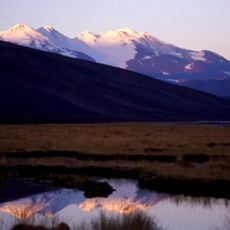
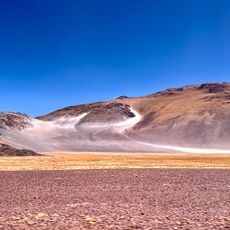
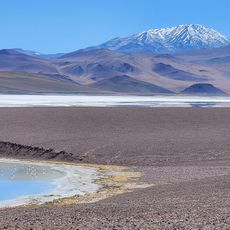
Reserva provincial Laguna Brava is a large protected area in the high Andes with salt lakes and volcanic peaks. The landscape spans roughly 405,000 hectares across elevations between 2,500 and 4,500 meters, featuring bare mountains and saline waters.
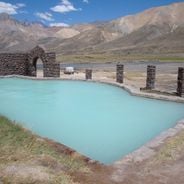
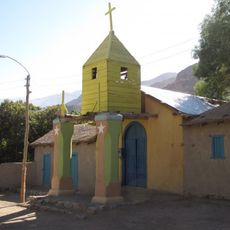
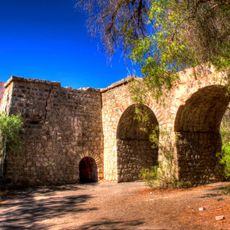
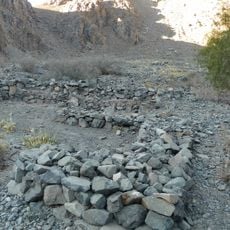
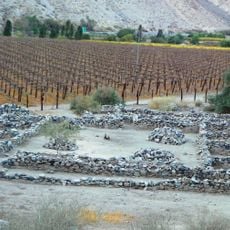
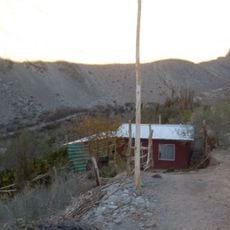
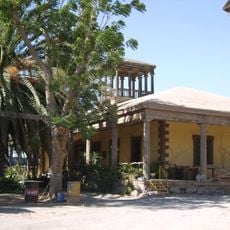
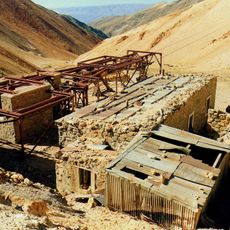
The area served as a mountain passage for travelers in ancient times, with archaeological traces marking routes used for centuries. In the 1800s, herders built stone shelters to aid their journeys crossing toward Chile.
The reserve's name comes from the 60 km² salt lagoon where pink and white flamingos live year-round. Until about the mid-20th century, muleteers drove livestock on foot toward Chile through this pass, and a dozen stone shelters built between 1863 and 1874 for their protection still stand. Archaeological finds, including ceremonial platforms, point to an Inca presence.
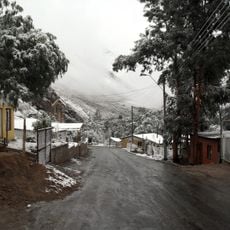
Visits are made only on tours run by authorized guides; the La Rioja tourism secretariat supports a cooperative, Laguna Brava Turismo, that provides this service. National Route 76 crosses the reserve and runs along the eastern shore of the main lagoon before rounding it to the north, so travel is by vehicle on this road. The climate is arid Andean-Puna, with strong westerly winds and snow in autumn and winter.
The main lagoon attracts flamingos that migrate across thousands of kilometers between four countries in search of food. These birds are part of a larger network connecting Argentina, Bolivia, Chile, and Peru.
The community of curious travelers
AroundUs brings together thousands of curated places, local tips, and hidden gems, enriched daily by 92,635 contributors worldwide.